

Scalp careUnderstanding the importance of the scalp is the first step to reversing common problems.
Advertisements
It is the “fertile land” from which your hair emerges, deserving constant attention and care.
A healthy scalp directly reflects the beauty and strength of your hair.
It acts as a complex ecosystem, balancing sebum production and protecting against external aggressors.
Why Does This Topic Require Attention?
Many people only worry about the length of their hair. However, hair health starts at the root, where the hair follicles are located.
The scalp is constantly renewing itself, home to millions of cells and follicles. Neglecting it can trigger a series of unwanted problems.
Product buildup, excessive oiliness, or dryness directly affect the local microbiome. This can lead to conditions like dandruff and itching.
Read more: How to Avoid Split Ends Without Cutting Your Hair
Furthermore, blood circulation to the scalp is crucial for nourishing the follicles. Good blood flow ensures that nutrients reach their intended destination.
It's known that scalp health is intrinsically linked to hair growth. An imbalanced scalp environment can inhibit healthy hair development.
Know the Signs of a Hairline Imbalance
Recognizing warning signs is crucial for timely action. Pay attention to any changes in your hair care routine.
Persistent itching is one of the most common signs of imbalance. It can be caused by a variety of factors, from dryness to fungus.
Another common symptom is excessive flaking, which can manifest as dry or oily dandruff. Both indicate scalp dysfunction.
Excessive oiliness, which leaves hair looking heavy, is also a sign. This occurs when the sebaceous glands are overworking.
On the other hand, extreme dryness can cause sensitivity and even pain. A dehydrated scalp is more vulnerable to irritation.
Increased hair loss may be related to scalp health. Damaged follicles tend to produce weaker, more brittle strands.
Sensitivity to touch or redness are indicative of inflammation. In these cases, it's important to seek professional advice.

Effective Strategies for a Healthy Scalp
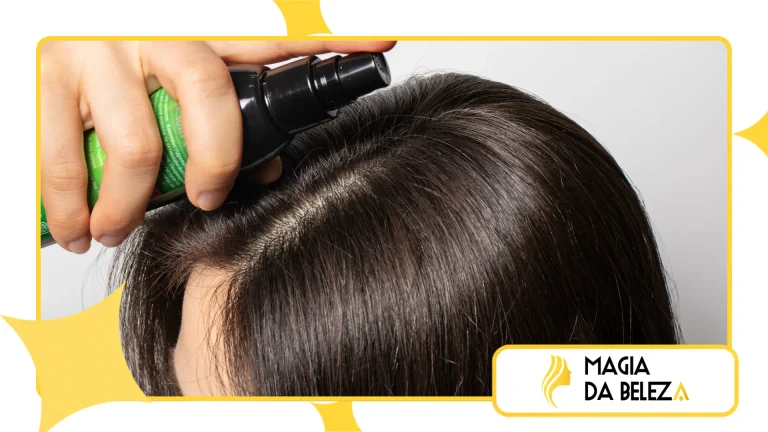
Adopt a routine of scalp care It's simpler than it seems. Small changes can make a big difference in the long run.
Start by washing your scalp properly, using products suited to your scalp type. Avoid very hot water, which can dry out the area.
A gentle, sulfate-free shampoo is an excellent option to avoid damaging your hair. Choose formulas that clean without excessively stripping natural oils.
++ How to Care for Your Hair on Very Hot Days
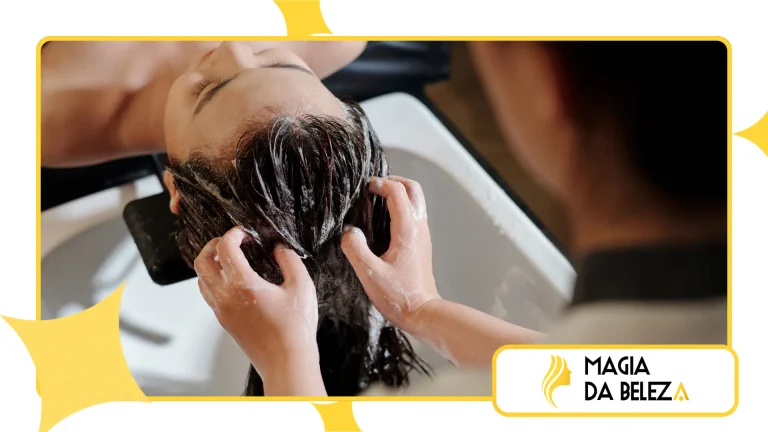
Gentle massages during washing stimulate blood circulation. This helps oxygenate the follicles and promote vigorous hair growth.
Using hair exfoliants once or twice a month is beneficial. They remove dead skin cells and product buildup, unclogging pores.
For example, an exfoliant with apricot microparticles can gently remove residue. This allows the scalp to breathe.
Scalp-specific hair masks are also powerful allies. They can moisturize, soothe, or control oiliness, depending on your needs.
Consider washing frequency, adapting it to your needs. Over-washing can dry out your skin; under-washing can cause dirt to build up.
Protect your scalp from direct sun exposure by wearing hats or sunscreen. Just like your skin, it can also be affected by UV rays.
Avoid excessive use of harsh chemicals, such as dyes and straighteners. They can cause irritation and sensitization of the scalp.
A balanced diet and adequate hydration are essential for overall health. What you eat affects the condition of your hair and scalp.
Recent research, such as that published in Journal of Clinical and Aesthetic Dermatology, have reinforced the importance of the scalp microbiota in hair health, indicating that an imbalance can lead to conditions such as seborrheic dermatitis.
The Power of Routine and Consistency in Scalp Care
Like a well-tended garden, your scalp thrives with regular attention. Don't wait for problems to arise to start caring for it.
Integrate the routine of scalp care into your daily routine is crucial. Consistency will yield remarkable results over time.
Think about a car. If you don't change the oil and perform regular maintenance, it won't perform well for long. The same goes for your scalp. It needs maintenance to thrive.
Imagine that John, a young man with excessive oiliness, started using a purifying shampoo and exfoliating his hair biweekly. Within a few weeks, he noticed a significant reduction in oiliness. His hair felt lighter and cleaner for longer.
Maria, who suffered from itching and dryness, incorporated a moisturizing toner and daily massages. Within a month, the itching had drastically reduced and her scalp felt much more comfortable.
See how interesting: How to Do Hair Oiling Correctly
Patience is a virtue in this process, as results aren't immediate. It takes time for the body to adapt and respond to new habits.
Scalp health is an indicator of overall well-being. Persistent problems may signal other underlying health issues.
By 2025, the trend is toward personalized products and treatments. People are increasingly seeking solutions tailored to their specific needs.
A relevant statistic: approximately 50% of the global adult population experiences dandruff at some point in their lives, a problem directly linked to scalp health.

Factors Affecting Scalp Health
| Risk Factor | Impact on the Scalp |
| Stress | Increased oiliness, hair loss |
| Unbalanced Diet | Nutrient deficiency, weak hair |
| Inadequate Products | Irritation, dryness or excessive oiliness |
| Washing Frequency | Microbiome imbalance, waste accumulation |
| Sun Exposure | Dryness, follicle damage |
Prioritize the Scalp Care
Invest in scalp care It's an investment in the health and beauty of your hair. Don't underestimate the foundation of everything.
A healthy scalp is the key to strong, shiny, and resilient hair. It's the foundation for the crown you wear every day.
Embrace this self-care journey and watch your hair transform. Your scalp will thank you, and your strands will reflect this attention.
What's the most important thing you can do for your hair today? Focus on your scalp!
Frequently Asked Questions
What is the ideal frequency to wash your hair for health?
The ideal frequency varies for each person, depending on hair type and lifestyle. Generally, washing every two to three days is a good starting point.
People with very oily scalps may need to wash daily, while those with dry scalps may need to wash every four or five days.
Notice how your hair and scalp feel.
Are “sulfate-free” products really better for your scalp?
Yes, in many cases, sulfate-free products are gentler on the scalp.
Sulfates are powerful cleansing agents that can excessively strip away natural oils, leading to dryness or, paradoxically, an increase in sebum production.
For sensitive or dry scalps, they are an excellent choice.
Does an itchy scalp always indicate a serious problem?
Not necessarily, but it's a sign that something isn't in balance. Itching can be caused by dryness, product buildup, mild dandruff, or even stress.
If the itching is persistent, accompanied by redness, intense flaking or sores, it is advisable to see a dermatologist.
Do scalp massages really help hair growth?
Yes, scalp massage can be beneficial. It stimulates blood circulation in the area, which helps deliver more nutrients and oxygen to the hair follicles.
This can promote a healthier environment for hair growth and even relieve tension.
Can I use vegetable oils directly on my scalp?
Yes, many vegetable oils, such as jojoba, coconut, or castor oil, can be used on the scalp. They are excellent for moisturizing and nourishing.
However, it's important to choose non-comedogenic oils (those that won't clog pores) and always rinse thoroughly to avoid buildup and excess oil.
Perform a sensitivity test before applying to the entire area.
++ How to treat an oily scalp: check out 3 tips to alleviate the problem