
Find the lightweight finishers for natural movement Ideal is the secret for those seeking free-flowing, bouncy hair that doesn't look heavy or stiff.
Advertisements
If you're tired of products that leave your hair dull, oily, or lifeless, this practical guide offers the ultimate solution.
Discover how to choose the best textures for your hair type and achieve the lightness you've always wanted.
Guide Summary
- What are lightweight finishers?
- Why does the weight of cosmetics affect hair balance?
- What are the best ingredients for hair balance?
- How do I apply the products to avoid a heavy feeling?
- Comparative Table of Textures
- Frequently Asked Questions (FAQ)
What are lightweight finishers?
Finishing cosmetics with fluid formulas are products developed to seal hair cuticles without accumulating residue on the keratin fiber.
They differ from traditional creams by having a base with a lower concentration of heavy oils and a higher proportion of water. This is often misinterpreted: many people think that lightness means less hold or lack of treatment, but the intention here is purely physical.
The main function of this category is to protect against frizz, retain internal moisture, and ensure that the hair strands move freely.
There's something unsettling about how the market has saturated shelves with thick creams, creating a false need for weight in order to achieve control. The truth is that real manageability comes from the absence of excess.
Currently, the industry is investing in technologies such as smart polymers and volatile silicones, which evaporate after fulfilling their role of thermal protection.
This ensures that hair remains clean, loose, and silky to the touch for much longer. This evolution solves the dilemma for those who needed to choose between protecting their hair from heat and maintaining natural volume.
Why does the weight of cosmetics affect hair balance?
The physics of human hair shows that each strand has a limit to the amount of weight it can withstand before losing its natural elasticity.
When we apply dense products, gravity acts on the accumulation of mass, resulting in a dull, lifeless appearance.
It's the classic "static hair" effect, where the hair loses its ability to respond to wind or walking.
The excessive accumulation of waste, known in the professional field as build-upIt clogs the cuticles and prevents external moisture from entering.
++ Low-tension hairstyle guide to reduce hair breakage.
Consequently, the structure takes on a rigid and brittle texture. Breaking this cycle requires letting go of formulas that promise "miracles in ultra-creamy textures" and understanding that less restriction leads to better health.
What are the best ingredients for hair balance?
Choosing the ideal product depends directly on carefully reading the label and understanding the main ingredients in the formula.
Hydrophilic active ingredients, which attract water instead of repelling it, are excellent for maintaining a healthy glow without adding a greasy weight.
They function almost like an invisible sponge, retaining only what the hair needs to avoid dehydration.
Hyaluronic acid and panthenol are world-renowned when it comes to deep hydration with total physical lightness.
They subtly fill the hair fiber, controlling excessive volume without compromising the hair's natural dynamics.
The result is a soft touch, quite different from that silicone-like feeling that some cheap textures leave on your hands.
The plant-based beauty industry also highlights the effectiveness of coconut water and seaweed extracts.
These components provide essential minerals that strengthen the cuticle, delivering intense shine without leaving hair sticky.
To fully understand how the science of cosmetics affects the hair fiber structure, you can consult the technical portal. Cosmetics & Toiletries, specialist in hair formulations.
How do I apply the products to avoid a heavy feeling?
The application technique influences the final result as much as the quality of the cosmetic chosen for your routine.
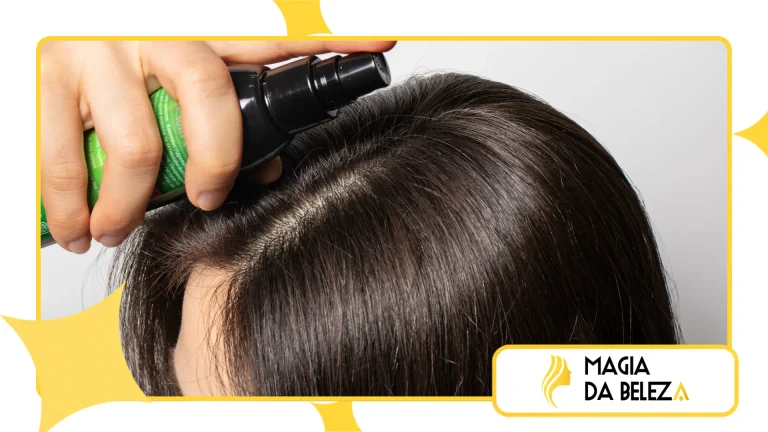
The biggest mistake when applying fluid textures is concentrating the application directly on the top of the head. This creates an oily barrier at the roots, while the ends remain exposed and dry.
The correct method requires the hair to be damp, but never soaking wet, as excess water dilutes the beneficial active ingredients.
Distribute an amount equivalent to a Brazilian Real coin in the palms of your hands, rubbing them together well before contact. This initial friction slightly warms the product, facilitating even absorption by the fiber.
Start distributing the product at the ends, which are the parts that need the most care, and gradually work your way up to the length.
Avoid the roots to prevent oiliness and use a wide-tooth comb to distribute evenly.
You can also try the technique of scrunching the hair from the bottom up if your goal is to create soft waves, activating the memory of the shape without stiffness.
Comparative Table of Textures
Below, we analyze the main finishing product offerings on the market to help you select the best option for your routine.
| Finishing Type | Main Indication | Frizz Control Level | Impact on Volume |
| Leave-in Fluid | Fine, straight hair | Average | Maintains the original volume. |
| Watery Serum | Split ends and dryness | High | Subtly reduces frizz. |
| Low Hold Mousse | Loose waves and curls | Average | Promotes volume and texture. |
| Moisturizing Mist | Dull hair day after | Light | Restores immediate freshness. |
Do these textures work for all hair types?
There's a myth that only straight or very fine hair benefits from flowing textures, which is a technical misconception.
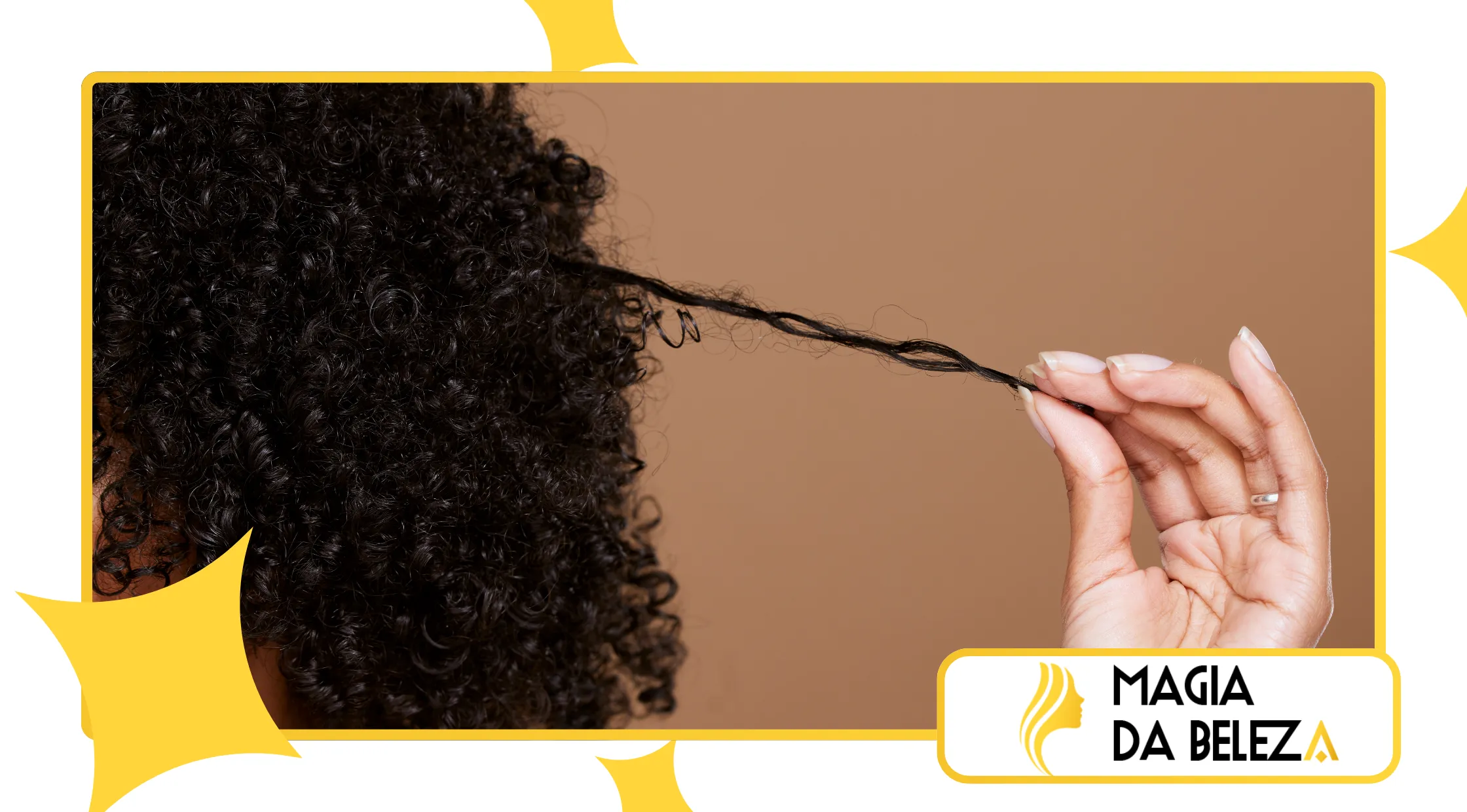
Curly, wavy, and chemically treated hair also requires lightweight products, although the absorption dynamics change drastically between each curl type.
The real difference lies not in the indication, but in the dosage and the combination of steps.
For curly and wavy hair, which has a natural tendency to dryness due to its spiral structure, the fluid product acts as an excellent first layer of hydration (the "liquid" step of the LOC method – Liquid, Oil, and Cream).
It penetrates the cortex quickly without saturating the surface, allowing curls to gain definition without losing the bounce and voluminous volume that characterizes them.
Read more: How to care for curly hair in your winter routine.
For straight, wavy, or straightened hair, a water-based leave-in conditioner or hydrating mist can act as standalone products, preventing hair from becoming limp throughout the day.
For porous or bleached hair, these formulas correct rough texture without creating the stiff look that heavy reconstructors often leave. It's all about versatility and dose adjustment.
Product Recommendations and Tips
To translate theory into practice, it is worth observing what the market offers in terms of the most sophisticated technology for formulations free of cumulative residues.
In the category of sprays and mists, the Sebastian Professional No.Breaker It stands out for combining finishing with molecular reconstruction without weighing down the hair at all. It's ideal for those with chemically treated hair who fear a stiff feel.
If you're looking for silky smooth control and flawless thermal protection, the Kérastase Fluidissime Anti-Frizz It acts as an invisible shield, and is highly recommended for wavy and straight hair that suffers from humidity.
For those with curly or frizzy hair who want the lightness of coconut water with excellent detangling, the Inoar My Curl, My Crush It delivers fluidity and definition in just the right measure.
Finally, for a finish focused on shine and repairing split ends without a greasy feel, oils with a dry touch and volatile base are a game-changer.
++ Makeup guide with neon liner accents to dare in 2026
The classic Wella Professionals Oil Reflections Light It fulfills exactly that role, being absorbed almost instantly by the hair fiber and leaving only the luminous reflection and manageability of truly healthy hair.
Final Considerations
Achieving healthy, protected, and vibrant hair requires dispelling the myth that only thick creams can treat hair.
Fluidity is the smartest path to contemporary aesthetics, which values real texture and freedom of movement above static patterns.
Understanding the needs of your hair fiber and selecting the right active ingredients completely transforms the health and appearance of your hair.
Opt for fluid formulas, use the ideal amount, and enjoy hair with incredible bounce.
To keep up with the constant technological innovations and research on hair health, follow the publications of... Brazilian Association of Cosmetology (ABC), an authority in the hair development sector.
Frequently Asked Questions
What are lightweight finishers for natural movement?
These are hair products with water-based or volatile formulas that protect and style hair without leaving a heavy residue. They guarantee protection against frizz and maintain the hair's natural bounce throughout the day.
Can I use a lightweight leave-in conditioner on curly hair?
Yes, especially if the curls are fine or have a looser pattern, needing just the right amount of volume. The secret is to combine a fluid leave-in conditioner with manual styling techniques to maintain definition without stiffness.
Does daily use of liquid finishing products cause buildup?
The risk is minimal due to the volatile and water-soluble nature of the modern ingredients present in these lightweight formulas. However, it is recommended to use a deep cleansing shampoo every two weeks for complete hygiene.
How can I tell if the product weighed down my hair?
The main sign is an immediate loss of volume, accompanied by a disheveled appearance and a sticky texture to the touch. If the hair takes much longer to dry, the amount applied was probably excessive.
++ Ideal Finishing Product: Choose the Best for Your Curly, Coily, and Wavy Hair.