
This Low-tension hairstyle guide It focuses on the actual preservation of the hair fiber, combining aesthetics and health for those who wish to stop excessive breakage and the silent follicular stress of everyday life.
Advertisements
Summary
- The invisible mechanics of breakdown
- The concept of low voltage
- The science of the scalp
- Arsenal of secure accessories
- Practical: Styles that protect
- FAQ: What nobody tells you
The invisible mechanics of tensile stress fracture
Many women are unaware that excessive traction is one of the biggest culprits behind impaired hair growth. The constant use of very tight hair ties or high ponytails creates micro-fissures in the hair cuticle.
These lesions weaken the keratin structure, leading to hair breakage before it completes its natural cycle. It's a slow process where the damage accumulates until it becomes visible.
Furthermore, prolonged tension can cause traction alopecia, especially at the temples. Adopting this Low-tension hairstyle guide It means understanding that beauty doesn't need to be, and shouldn't be, painful.
What exactly are low-tension hairstyles?
Low-tension hairstyles are styles that respect the natural elasticity of the hair cortex without stretching the roots. They avoid pulling on short, sensitive strands. baby hairs.
Unlike tight braids or "ballerina-style" buns that pull on the forehead, these options focus on organic styles. The main idea is to keep the hair tidy without compromising circulation.
In this Low-tension hairstyle guideVersatility reigns supreme. It's perfectly possible to create elegant looks for work or social events while maintaining the absolute integrity of each strand and follicle.
Why does follicle health depend on relieving strain?
The hair follicle functions like a small factory that requires constant oxygenation to produce strong hair strands. When we pull on the scalp, we reduce local blood flow, weakening basic nutrition.
Hair that is subjected to constant pressure tends to grow thinner and duller over the months. Current dermatological science reinforces that mechanical rest is vital for longevity.
++ Best leave-in treatments for controlling frizz in hair.
Physical comfort is the first sign that the hairstyle is correct. If you feel relief or a "throbbing" sensation when you take your hair down, your daily technique is damaging your hair structure.
What are the best accessories to prevent damage?
The choice of tools is just as crucial as the execution of the hairstyle. Rubber bands or those with metal parts act like blades, cutting the hair fiber with the slightest movement of the head.
Opt for scrunchies Silk or satin clips that glide over the surface without creating friction. High-quality acetate hair clips and rubberized clamps are also excellent allies for securing the hair.
Read more: How to care for curly hair in your winter routine.
Below is a technical comparison between the most common materials used in everyday life:
| Accessory Type | Impact on the Cuticle | Voltage Level | Usage Recommendation |
| Rubber band | Highest (Cause of Breakage) | Very High | Avoid completely |
| Satin Scrunchie | Minimum (Protects) | Low | Daily/Night Use |
| Acetate Piranha | Zero (Distributes the weight) | Very low | Work and Leisure |
| Metal Staples | Medium (Can be scratched) | Moderate | For Details Only |
To deepen the understanding of the biological structure of the hair strand, the Website of the Brazilian Society of Dermatology It offers detailed articles on scalp pathologies related to the improper use of accessories.
How to create a low, unstructured bun hairstyle?
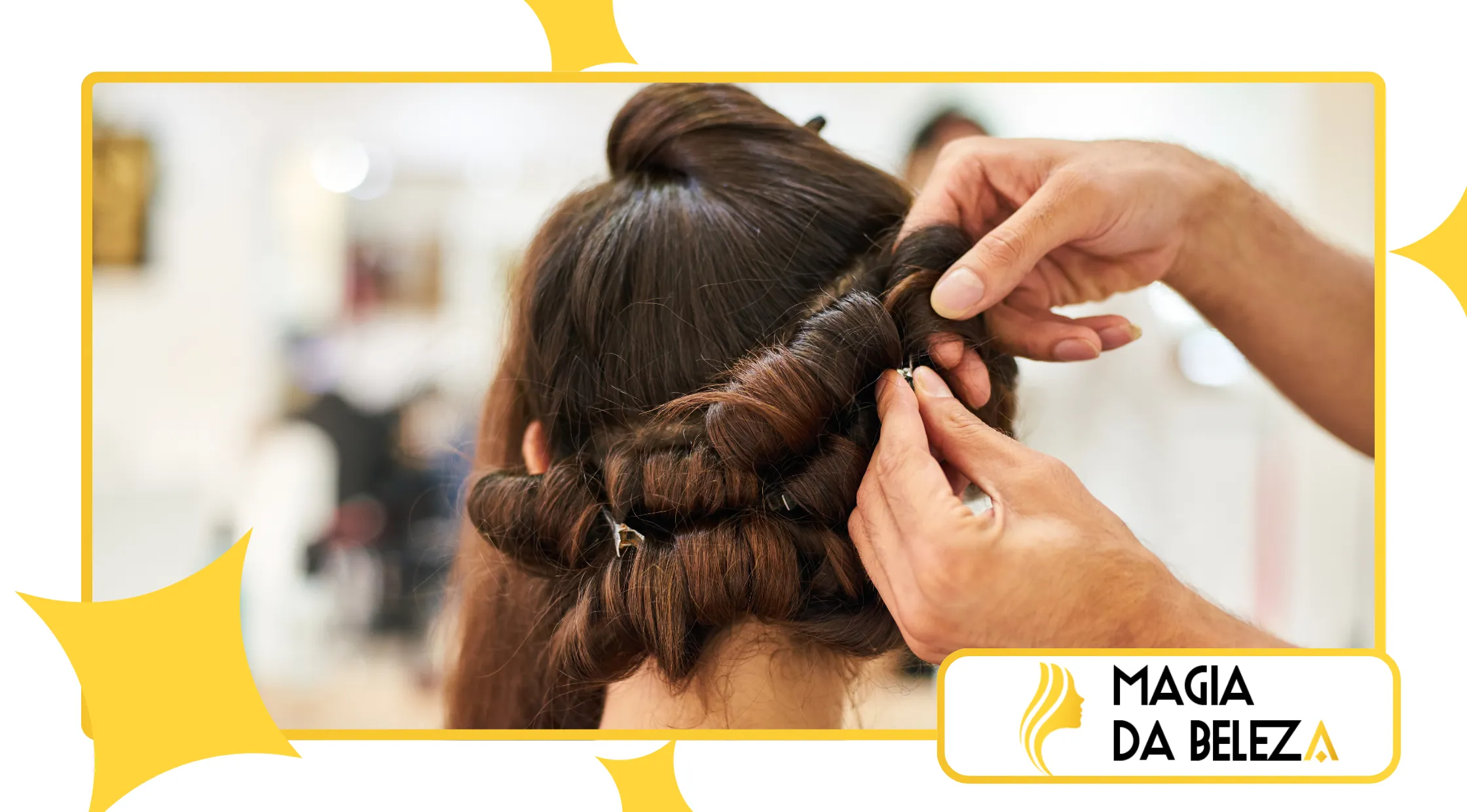
This style is the epitome of sophistication and the star of any healthy hair routine. Start by applying a lightweight finishing oil to reduce frizz without stiffening or "gluing" the strands together.
Gather your hair loosely at the nape of your neck, using only your fingers to avoid marks from fine-toothed combs. Gently twist the length and secure it with a hair clip or wide elastic band.
++ How to adapt futuristic makeup looks for everyday wear.
The secret lies in leaving the front strands loose, shaping the contour of the face. This ensures that the hairline doesn't suffer pressure, preventing future flaws in that highly visible area.
When should you wear loose side braids?
Braids are excellent for protecting the ends, but only when intentionally loose. They are ideal for windy days or when practicality is the top priority.
Begin braiding below the ear line, ensuring the base of the hairstyle is completely relaxed. Don't tighten the sections; instead, leave them voluminous for a bohemian look that emphasizes texture.
During physical exercise, this technique is essential. Forget about a high, stiff ponytail, which becomes dead weight with sweat and the impact of movement.
What are the advantages of sleeping with protective hairstyles? Low-tension hairstyle guide
During sleep, friction with the pillow is a silent source of knots and breakage. Styling your hair with a low-tension technique preserves definition and prevents morning chaos.
The "pineapple" technique or a single, wide braid are smart and functional choices. They keep the hair organized, making the next routine easier without the need for washing or heat.
Never sleep with damp hair inside these hairstyles. Trapped moisture weakens the hydrogen bonds in the hair fiber, making it extremely susceptible to breakage with the slightest touch or movement.
The path to sustainable growth
Taking care of your hair requires awareness of how we handle the hair fiber daily. Transitioning to gentler habits promotes visibly thicker, shinier hair growth that is, above all, more resistant to external aggressors.
Simplicity is the shortest path to avoiding severe mechanical damage. Small changes in accessories and applied force make a monumental difference in hair density in just a few months of practice.
Adopting these strategies is an investment in long-term health and saves money on expensive reconstruction procedures. The balance between aesthetics and protection is the only way to maintain a sustainable routine.
To learn more about women's health and the impact of holistic well-being on the body, consult the... World Health Organization (WHO), which provides global guidelines on preventive care.
Frequently Asked Questions
What happens to the scalp with tight hairstyles?
Excessive force inflames the follicle and can cause traction alopecia. Over time, the root scars and hair stops growing permanently in those specific areas.
Do low-tension styling techniques work on curly hair?
They are vital for curly and wavy hair, which has a naturally more sensitive structure. afro puff Loose, for example, emphasizes volume without sacrificing hair fiber health.
Can I use gel in low-tension hairstyles?
Yes, as long as the gel is alcohol-free and you don't use it to "stretch" or "change" the hair. The gel should only smooth superficial frizz, never create mechanical tension.
How can you tell if the pressure is excessive?
Any throbbing or itching sensation, or a feeling of tightness in the skin on your forehead, are warning signs. A secure hairstyle should allow you to move your head without feeling the weight of your hair.