

How to prevent split ends without cutting your hair. Often, the pursuit of long, healthy hair clashes with fragile ends.
Advertisements
The good news is that you don't need scissors to restore your hair's vitality.
Understanding the nature of split ends is the first step. They occur when the hair's protective cuticle breaks, exposing the inner cortex.
This exposure makes the hair vulnerable to external damage, resulting in a dry, lifeless appearance. It's a clear sign that something isn't right with your hair's health.
Cuticle breakdown is a gradual process, often imperceptible at first. Factors such as excessive heat and harsh chemicals contribute to this degradation.
Constant friction also plays a significant role in tip wear. Consider your daily routine and identify potential triggers.
Preventative care is more effective than cure. Continuous maintenance ensures the integrity of your hair, preventing split ends.
This involves a series of specific habits and products that will act as a protective shield for your hair. Patience is a virtue in this process.
The Silent Enemy: Understanding Split Ends
Split ends, scientifically known as trichoptilosis, aren't just a cosmetic defect. They're your hair's cry for help.
Each hair is composed of three layers: medulla (not always present), cortex, and cuticle. The cuticle, the outer layer, is responsible for protection.
When this cuticle is damaged, the inner fibers detach, forming the dreaded bifurcations. It's like a frayed cable, losing its integrity.
Several factors contribute to the deterioration of the hair cuticle. Heat from blow dryers and flat irons is one of the biggest culprits.
High temperatures dehydrate strands, making them brittle and susceptible to damage. Using them without heat protectant can lead to split ends.
Read more: How to Identify Your Hair Type and Treat It Correctly
Chemical treatments such as coloring, straightening, and perming are also harmful. They alter the hair's structure, weakening it.
Choosing quality products and performing strand tests are crucial. Prioritize hair health before any radical transformation.
Daily friction is another important factor. Vigorously combing dry hair or using tight hair ties causes excessive friction.
Even sleeping with your hair loose on cotton pillowcases can contribute to the problem. Small changes can make a big difference.
Diet and body hydration also influence hair health. A diet lacking in essential nutrients is reflected in the hair.
Drinking enough water is essential to keep your body and hair hydrated from the inside out. Beauty begins on your plate and in your glass.

Smart Strategies to Avoid Split Ends Without Cutting Your Hair
To avoid split ends without cutting your hair, a multifaceted approach is essential. Start with washing, which is the foundation of any hair routine.
Use gentle shampoos and conditioners formulated for your hair type. Prioritize moisturizing and repairing products that nourish the hair.
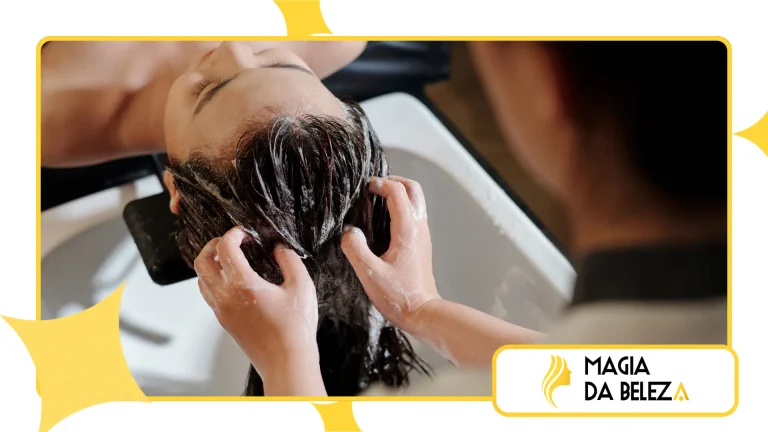
Wash your hair with warm water, never hot, to avoid stripping away natural oils. Rinse thoroughly to prevent residue buildup.
Washing frequency also matters. Over-washing can dry out your hair, while under-washing can build up dirt and oil.
After washing, detangling requires attention. Use a wide-tooth comb or a brush designed for wet hair.
++ How to Do Hair Oiling Correctly
Start at the ends and gradually work your way up toward the roots. Never force the comb, as this can break the strands.
Deep hydration is a fundamental pillar. Nourishing hair masks should be used regularly, at least once a week.
Ingredients like vegetable oils (argan, coconut, jojoba) and butters (shea) are powerful allies. They seal the cuticle and restore suppleness.
A practical example is applying an intense hydrating mask. After washing and conditioning, remove excess water from your hair.
Apply the mask strand by strand, working it into your hair to ensure absorption. Leave it on for the recommended amount of time and rinse.
Hair oiling with pure vegetable oils is another effective technique. Apply the oil to the ends and lengths, leaving it on for a few hours or overnight.
Wash your hair as usual afterward. This technique deeply nourishes and strengthens strands, preventing dryness and split ends.
Thermal Protection and Smart Tools
Thermal protection is non-negotiable, for avoid split ends without cutting your hair.
When using a hairdryer, flat iron, or curling iron, apply a good heat protectant to the entire length and ends.
This product creates a heat barrier, minimizing damage. It's a small investment with a huge return on your hair's health.
Avoid daily use of heat tools. Let your hair dry naturally whenever possible.
If you need to use a blow dryer, use the lowest heat setting and keep a safe distance from your hair. Cool air can be used to finish.
++ Vintage Makeup: How to Recreate 50s, 60s and 80s Styles
The choice of tools is also crucial. Flat irons and curling irons with ceramic or tourmaline technology distribute heat more evenly.
Avoid tools with metal plates, which tend to overheat and damage your hair. The quality of the tool directly impacts the health of your hair.
| Tool Type | Main Benefit | Usage Tip |
| Ion dryer | Reduces frizz | Use a directional nozzle |
| Ceramic straightener | Uniform heat | Temperature controlled |
| Tourmaline curling iron | Extra protection | Use thin strands |
Table 1: Tools and technologies for hair protection.

Small Changes, Big Results to Avoid Split Ends Without Cutting Your Hair
Seemingly insignificant details make all the difference in preventing split ends. One of them is how you tie your hair.
Avoid elastics with metal or thin rubber bands, which can break your hair. Opt for silk scrunchies or seamless elastics.
Don't tie up wet hair, as it becomes more fragile and prone to breakage. Wait for it to dry completely before tying it up.
Sleep on silk or satin pillowcases. Unlike cotton, these fabrics reduce friction, preventing tangling and breakage during the night.
It may seem like a luxury, but it's an investment in hair health. The difference is noticeable within just a few weeks of use.
Proper brushing is vital. Use brushes with soft, flexible bristles that glide without pulling or breaking.
Brush dry hair gently, starting at the ends. Brushing too hard or too much damages the cuticle.
Nutrition plays a fundamental role. A diet rich in protein, vitamins, and minerals strengthens hair from the inside out.
Foods like eggs, fish, fruits, vegetables, and nuts provide the nutrients needed for healthy hair. Think of your hair as a garden, nourishing it so it can flourish.
Considering a study by the American Academy of Dermatology.
approximately 451% of women experience split ends at some point in their lives, highlighting the universality of the problem and the importance of preventative strategies.
Hair supplements, rich in biotin, zinc and B vitamins, can be a good complement, but always with professional guidance.
Consult a dermatologist before starting any supplementation. avoid split ends without cutting your hair.
Daily Care to Avoid Split Ends Without Cutting Your Hair
Avoid split ends without cutting your hair It's an art that improves with consistency. Regular care is the key to success.
Don't wait for split ends to appear to take action. Start preventing them today by incorporating these habits into your routine.
Think of your hair as a delicate plant. It needs water, nutrients, and protection to grow strong and beautiful.
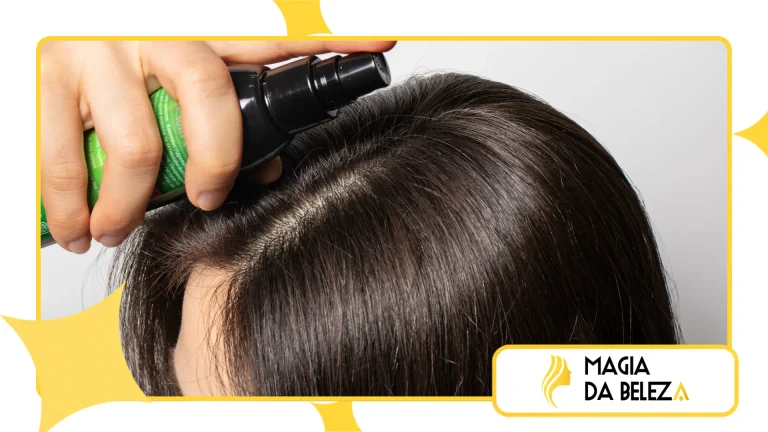
One example is incorporating a split-end repair oil into your daily routine. After blow-drying, or even on non-wash days, apply a few drops of the product to your ends.
This creates a protective barrier, seals the cuticles and provides shine, minimizing friction and the formation of new split ends.
Observe how your hair reacts to different products and techniques. Every hair type is unique and requires personalized attention.
Patience is a virtue in this process. The results aren't instantaneous, but persistence will yield healthier, stronger hair.
Don't get frustrated if progress is slow. Small daily advances add up to big victories in the long run.
A rhetorical question for you: Are scissors really the only way out when there are so many effective strategies at your disposal?
Learning to care for your hair is an act of self-care and self-love. You deserve vibrant, vibrant locks.
Healthy Hair, No Scissors
Achieving split-end-free hair without cutting is entirely possible. The key lies in prevention, hydration, and ongoing protection.
The techniques for avoid split ends without cutting your hair are not a secret, but a commitment.
By adopting smart habits, such as using heat protectants, choosing the right products, and nourishing your hair from within, you strengthen your strands from the inside out. Remember that hair health is a reflection of your daily care.
Your hair is one of your biggest calling cards. Invest in it, take care of it, and celebrate every little step forward.
The satisfaction of seeing your hair strong and shiny, free of dreaded split ends, is the greatest reward. You have the power to transform your hair's health, one step at a time.
Frequently Asked Questions
What is the ideal frequency to moisturize your hair?
To avoid split ends without cutting your hair, some precautions must be taken.
The ideal frequency for moisturizing your hair varies depending on the type and needs of your hair, but deep hydration is generally recommended once a week or every 15 days.
Drier or damaged hair may benefit from more frequent hydration.
Is it possible to reverse existing split ends?
It's not possible to permanently "glue" or reverse existing split ends. Once the cuticle is damaged and the hair is split, the only definitive solution is cutting.
However, split-end repair products can temporarily seal the split ends, improving their appearance and preventing them from splitting further, but they are not a long-lasting solution.
The focus should be on preventing avoid split ends without cutting your hair.
Do “Leave-in” products really help prevent split ends without cutting your hair?
Yes, leave-in products are excellent allies in preventing split ends. They form a protective layer over the strands, shielding them from heat, pollution, friction, and dehydration.
Many contain ingredients that nourish and seal the cuticles, contributing to the integrity of the hair and facilitating detangling.
Does diet influence the health of hair ends?
Absolutely. A diet rich in vitamins (especially A, C, E, and B complex), minerals (zinc, iron, selenium), and protein is essential for overall hair health, including the ends.
A lack of these nutrients can lead to weaker, more brittle hair that is prone to split ends.
Does using oils on the ends of your hair help prevent split ends without cutting your hair?
Yes, using vegetable oils on the ends can be very beneficial.
Oils like coconut, argan, jojoba, and avocado deeply nourish, form a protective barrier, seal the cuticles, and add manageability to the strands, preventing dryness and friction that cause split ends. They can be used for moisturizing or as a finishing product.
More information: How to avoid split ends: 5 tips to keep your ends healthy