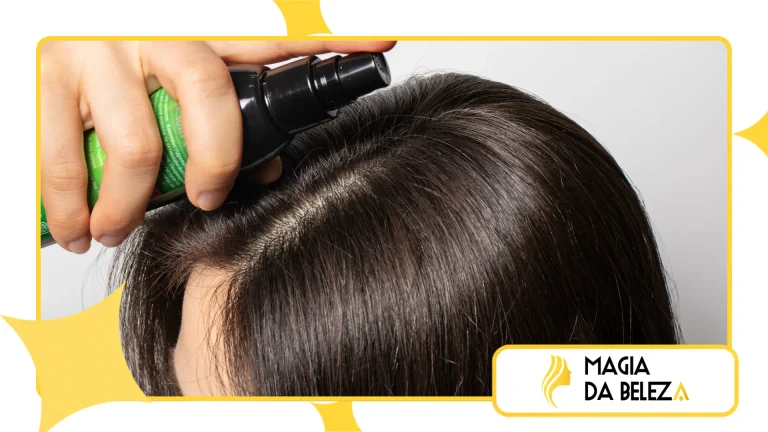

Know the different types of detox shampoo It's the starting point for restoring scalp health, that deep cleansing that everyday products simply miss.
Advertisements
You know when your hair feels heavy, dull, and oily just a few hours after showering? Well, that uncomfortable scenario signals that your hair is asking for a real break.
What you will find here
- The biological logic behind hair detoxification.
- A map of the categories of water purifiers available on the market.
- Practical guide: real active ingredients and what they do for your hair.
- Schedule without stress: the exact moment to use
- How to read the label and choose without missing the mark.
- Direct answers to the most common questions about Box.
What is detox shampoo and what is its real function?
To understand the role of this product, we need to consider the scalp as an extension of the facial skin.
It suffers from the daily accumulation of pollution, sweat, and particles of creams that adhere to the surface and suffocate the follicles.
Contrary to what many people think, conventional shampoos only remove surface dirt.
Detox acts almost like a magnet, using chelating agents or specific surfactants that break the chemical bonds of these persistent residues, clearing the area without damaging the hair structure.
This unclogging visibly improves microcirculation and oxygenation at the root. The most immediate result, in addition to a feeling of freshness, is an environment conducive to strong hair growth, preventing episodes of flaking and dandruff.
There's also a practical bonus: without that annoying barrier of residue on top of the hair fiber, your treatment masks finally work.
The hydrating agents penetrate directly into the cortex, making your hair care routine much more efficient.
What are the different types of detox shampoos available?
The market has evolved and today it offers different types of detox shampooeach one designed to solve a specific everyday complaint.
Physical exfoliants, for example, contain textured particles that remove dead skin cells through direct massage at the root.
Formulas that rely on activated charcoal or black clay follow a logic of absorption through porosity.
These ingredients have a natural affinity with toxins and excess sebum, absorbing oil without dehydrating the hair.
For those who frequent swimming pools or live in regions where the tap water is very hard and rich in minerals, there are Chelating Shampoos. They bind to heavy metals and chlorine, preventing blonde hair from turning greenish or stiff.
++ How to deal with persistent dandruff and scalp sensitivity.
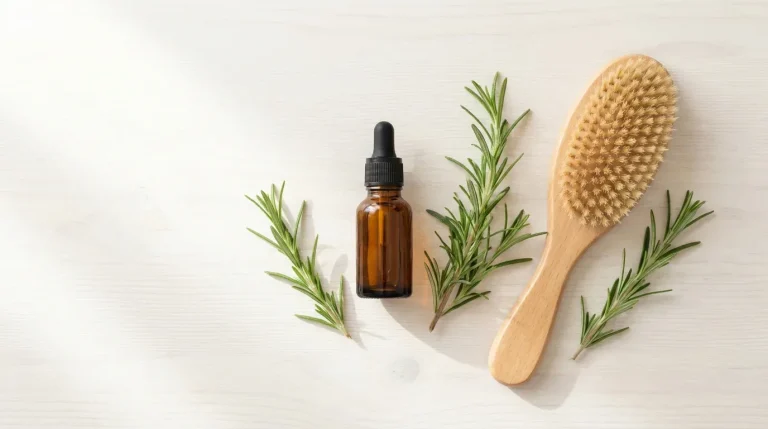
Finally, the favorites for more natural routines are the sulfate-free options. They use the astringent power of botanical extracts, such as mint and rosemary, delivering extreme lightness for those with fragile hair and sensitive scalps.
Why should you integrate this product into your routine?
Ignoring deep cleansing creates a kind of negative shield on the hair strands. Over time, the hair loses its natural movement, takes on a stiff appearance, and begins to break with alarming ease.
Bringing this care routine into the bathroom restores the balance and volume that excess creams have stolen. It's a tactile transformation: the hair starts to look like hair again, light and manageable from root to tip.
Oil control also gets in order, breaking that vicious cycle of needing to wash your hair every day.
The scalp stabilizes its natural sebum production because it understands that it doesn't need to overcompensate for dryness.
Data shared by the Brazilian Society of Dermatology reinforces that hair health necessarily begins at the base.
Read more: How to care for curly hair in your winter routine.
Treating your scalp with the same care you give your face is the best investment for anyone seeking long, strong hair.
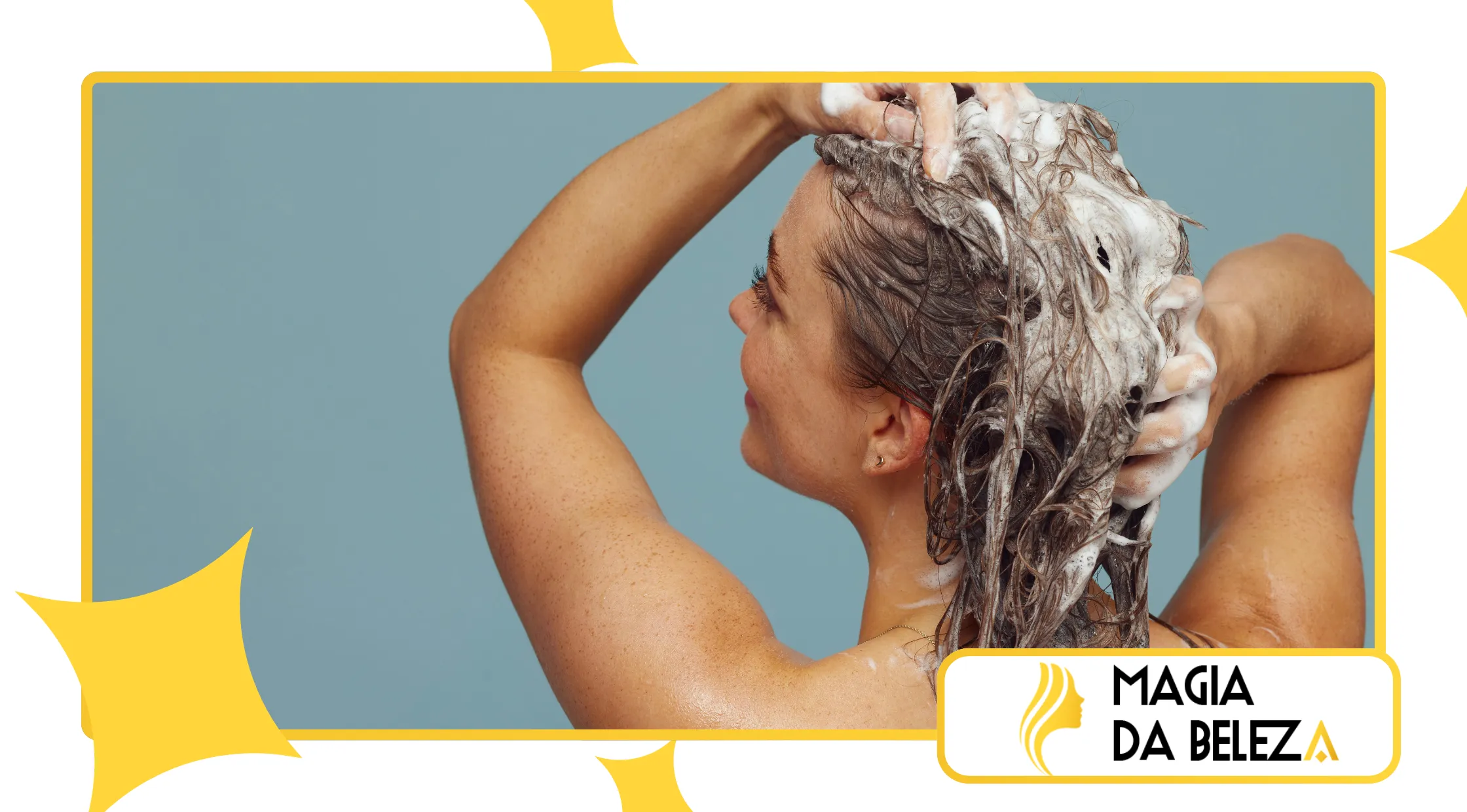
When should you use deep cleansing shampoo on your hair?
There's no universal golden rule, as it all depends on your routine and the genetics of your hair. Those with very oily roots or who live in large urban centers, exposed to severe pollution, can opt for weekly use.
Curly, frizzy, or naturally drier hair requires less frequent styling to avoid the opposite effect.
In these cases, applying it every two weeks, or even once a month, does the job perfectly.
If you overuse styling creams, finishing oils, styling pomades, or hairsprays, their use needs to be more strategic. Detox acts as a "reset" button to clear the area and remove the stretched look.
Preparing your hair before undergoing chemical treatments, such as coloring, bleaching, or straightening, is also a valuable trick.
Find out more: How to do makeup with ballet slipper lips, a spring trend.
Clean hair absorbs the chemical treatment evenly, ensuring more vibrant colors and longer-lasting results.
How do you choose the best option for your needs?
The secret is to look at your hair's roots before you go shopping. If your daily battle is against excessive shine and a sticky look, prioritize formulas with salicylic acid or green tea extract.
Bleached or visibly damaged hair requires alternatives that combine cleansing with a boost of restorative amino acids. Avoiding harsher sulfates helps keep your color vibrant for longer.
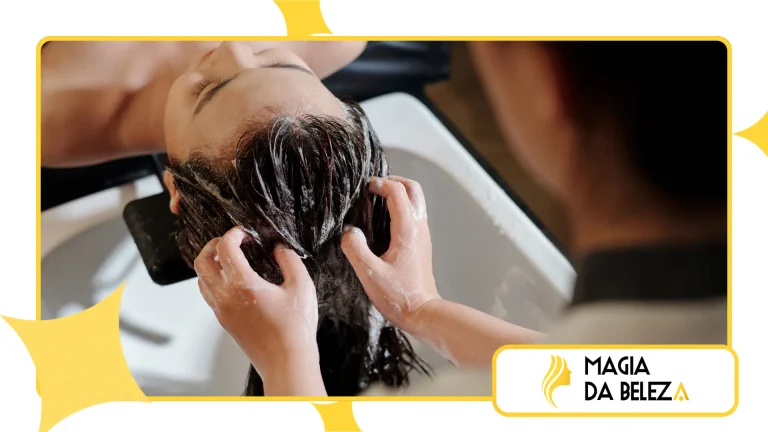
During your shower, focus the application exclusively on the scalp, massaging with your fingertips and never with your nails. Let the foam run naturally down the length of your hair to clean the ends without damaging them.
Closing the process is essential: immediately after rinsing, apply a nourishing mask or a high-quality conditioner. Sealing the opened cuticles also locks in the nutrients, ensuring instant softness.
Comparison of the main purifying active ingredients
Here's where to focus when reading the ingredient list for your next product:
| Main Asset | Practical Recommendation | Main Benefit |
| Activated Charcoal | Overburdened root | Magnetic absorption of impurities and residues |
| Salicylic Acid | Scalp with flaking | Gentle cell renewal and fights dandruff. |
| Seed Microspheres | Root with slow circulation | Mechanical exfoliation and growth stimulation |
| Rosemary Extract | Thin and heavy threads | Natural astringent action with high refreshing properties. |
Understanding the dynamics of different types of detox shampoo It completely changes the game when it comes to hair care.
It's that kind of simple adjustment to your routine that enhances the effect of all the other products you already have in your cupboard.
Respecting your hair's natural cycle and how it responds after each wash prevents unnecessary excesses. The quest for ideal hair is directly linked to respecting the natural balance of your scalp.
It's worth trying this at your next wash and observing how your hair responds to the stimulus. The result is usually immediate: looser hair, restored shine, and a lightness you haven't seen in a long time.
To delve deeper into the impacts that environmental factors and pollution have on our overall health and skin, the portal of World Health Organization It provides detailed analyses of the well-being of the human body.
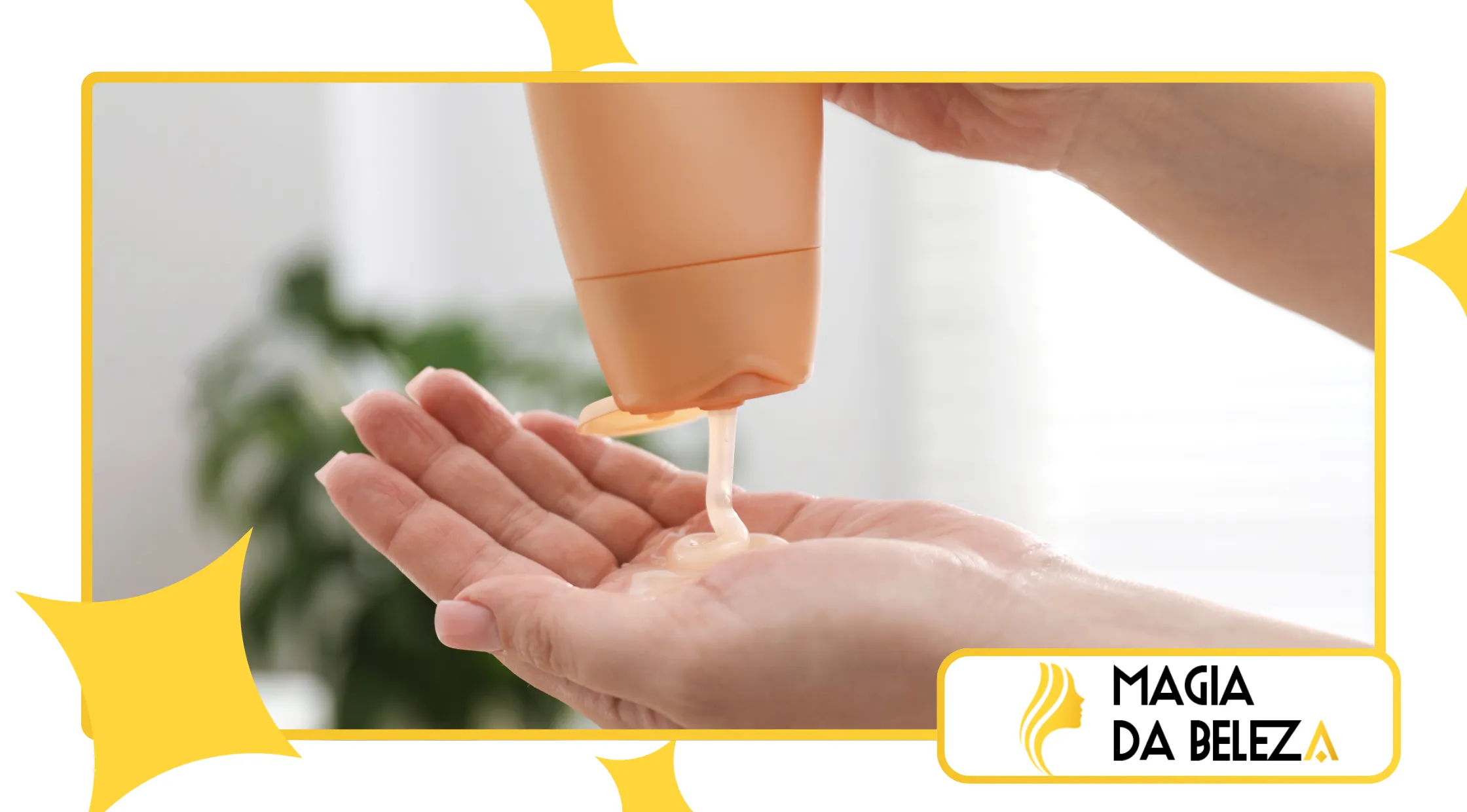
Frequently Asked Questions
Can detox shampoo fade color-treated hair?
This can happen if the formula contains very harsh sulfates. To avoid accelerated fading, look for versions labeled "safe for color-treated hair" or completely free of harsh sulfates.
Can I use the product in every wash during the week?
Absolutely not, as this would cause the dreaded rebound effect. The scalp, when completely deprived of its natural lipid protection, starts producing even more oil to compensate for the dryness.
What is the real difference between clarifying shampoo and detox shampoo?
The classic clarifying shampoo has a very alkaline pH, focused on opening the cuticles mechanically and rigidly. The detox shampoo cleanses using intelligent active ingredients, treating the scalp without severely damaging the hair fiber.
Can pregnant women use this type of cosmetic freely?
Most options on the retail market are perfectly safe. The only caveat is for formulas with a high concentration of salicylic acid, in which case it's worth discussing with your obstetrician before use.
++ What is detox shampoo and how to use it?
++ Detox Shampoo: Learn how to use it and what effects it can have on your hair.