

Dry, brittle or frizzy hair can be a sign of more than just a lack of care. Often, what your hair really needs is a deep treatment that replenishes the natural oils it has lost.
Advertisements
Hair oiling is the answer — and when done correctly, it can transform the texture and health of your hair. More than just applying oil to your hair, this process requires attention, patience, and an understanding of what your hair needs.
Finding out how to properly moisturize your hair is the first step for anyone who wants to deeply nourish their hair without resorting to harsh chemicals.
Read on to find out why this simple technique can become an essential part of your hair care routine.
What is Hair Oiling?
Hair moisturizing is a treatment based on pure vegetable oils, 100%, whose main function is to return lipids to the hair.
These lipids are the natural fats responsible for keeping hair flexible, shiny and protected against external aggressions.
Over time, and especially with the use of hair dryers, straighteners, coloring or sun exposure, the hair loses this natural protection. That's where moisturizing comes in.
It works by filling gaps in the hair fiber, sealing open cuticles and preventing loss of moisture. Over time, hair becomes more resistant to breakage, with less frizz and a much more evident shine.
Read also: What is a Hydration Mask and How to Choose the Ideal One?
When and Why to Do Moisturizing
You don't have to wait until your hair is damaged to include moisturizing in your routine. It can — and should — be done as a preventative measure, especially for those with frizzy, curly or wavy hair, which is naturally drier.
However, those who frequently use heat tools can also benefit greatly from the treatment.
Signs that it's time to moisturize your hair include: dull strands, excessive tangles, dry ends, roughness, and constant breakage. If your hair feels rough even after washing and moisturizing, it's almost certainly lacking oil.
Types of Oils for Hair Moisturizing
Before you begin, it is essential to choose the right oil. Not just any old cooking oil will do — hair oiling must be done with vegetable oils, cold pressed and free of paraffin or mineral oil. The most commonly used oils are:
Coconut oil
A favorite for its ability to penetrate the hair fiber and replenish nutrients in depth. Ideal for very dry hair.
Castor oil
Growth stimulant, strengthens the roots and helps combat breakage. It also has antibacterial action.
Argan oil
Lighter, perfect for those with fine or oily hair, as it nourishes without weighing it down.
Avocado oil
Rich in vitamins A, D and E, it provides intense nutrition and immediate shine.
How to Do Hair Oiling the Right Way
Applying oil correctly makes all the difference. See how to include oiling in your routine effectively.
Step 1: Dry, dirty and detangled hair
Unlike other steps in the hair schedule, moisturizing is done on dry, dirty hair. This helps to keep the scalp's natural oils protected.
Step 2: Strand by strand application
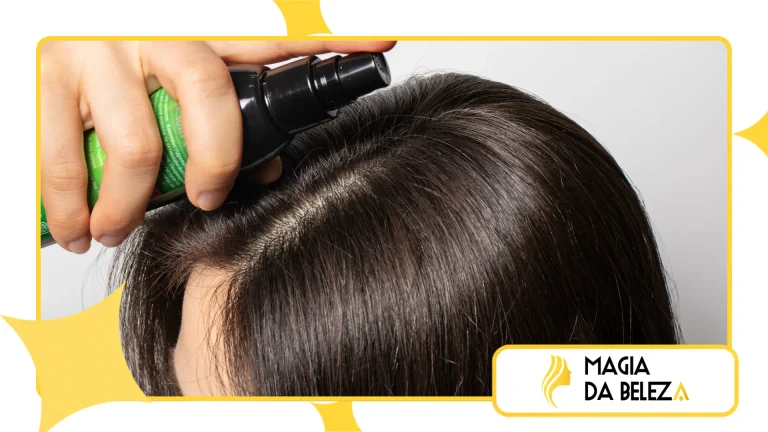
Use a small amount of oil in your hands, spread it out and apply it all over the hair, avoiding the roots (unless your scalp is extremely dry). Massage well so that the product penetrates.
Step 3: Time for action
Leave the oil on for at least two hours. However, for best results, it is best to sleep with it on your hair — this is called overnight oiling.
Step 4: Rinse with UCPE technique
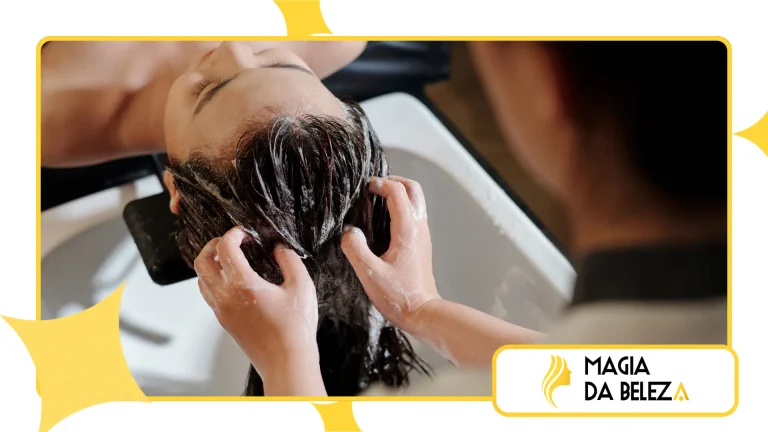
UCPE stands for “Moisten, Condition, Pause, and Rinse.” Instead of washing your hair directly with shampoo, apply a conditioner, massage it in well, and then rinse it out with water. This prevents dryness and helps maintain the hair’s nutrition.
Nighttime Moisturizing: Is It Worth It?
For those looking for deeper results, overnight moisturizing is a powerful way to go. By sleeping with vegetable oils in your hair, you extend the time of action without additional effort.
Simply cover your pillow with a towel or shower cap and wash your hair in the morning. The sensation to the touch is that your hair will feel fuller and more nourished from the first application.
How Do You Know If You're Doing It Wrong?
If, after moisturizing, your hair is still frizzy or heavier than normal, something is wrong. It could be too much product, the wrong oil for your hair type, or not removing it properly. The secret is to observe how your hair reacts and adjust it little by little.
Very fine hair may benefit more from light oils and more spaced out sessions. Curly hair, on the other hand, accepts dense oils well and can receive the treatment weekly without any problems.
Tips to Boost Results
Hair moisturizing, when combined with a consistent care routine, can produce impressive results. Combine it with frequent moisturizing treatments and avoid shampoos with strong sulfates. Choose products that are gentle and do not strip the hair fiber of its natural oils.
Another powerful tip: apply the oil after lightly misting your hair with water. This helps open the cuticles and facilitates the absorption of nutrients.
Conclusion: A Care Ritual That Goes Beyond Beauty
Properly moisturizing your hair is more than just a cosmetic trick. It is an act of respect for the structure of your hair. It restores what your hair has lost over time, heat, dyes and everyday stress. When done carefully, it transforms not only the texture, but also the relationship you have with your personal care.
Making this moment a ritual of self-care is what really boosts the results. And the more consistent the habit is, the more visible the effects will be: softness, shine and lightness that don't need to be disguised.
Frequently Asked Questions About Hair Oiling
Can people with oily hair do hair oiling?
Yes, as long as you use lighter oils and avoid applying them to the roots. The focus should be on the lengths and ends.
What is the ideal frequency for moisturizing?
For dry or curly hair, once a week. For other types, every 15 days is usually enough.
Can I use any oil to moisturize?
No. It is essential to choose pure, vegetable oils, without additives or mineral oil.
Does moisturizing replace hydration?
No. It complements hydration. While moisturizing replenishes lipids, hydration replenishes water.
Does leaving the oil in for longer bring more benefits?
The ideal time is 2 to 8 hours. Anything longer than that can overload the hair and cause a rebound effect.