

Dyed hair. However, maintaining the desired shade is a constant challenge. It's not uncommon to see color fade, brightness diminish, and frustration set in.
Advertisements
But what if I told you it's possible to extend the life of your color? With the right strategies, your hair can display its fresh-from-the-salon color for much longer.
In this article, we'll reveal the secrets to preserving the intensity and beauty of your hair. Get ready for a revolution in your hair care routine.
The Challenge of Dyed Hair Color Longevity
Maintaining vibrant color isn't just a matter of aesthetics, it's also an investment. Each touch-up at the salon costs time and money.
So why does color fade so quickly? The answer lies in several factors, from sun exposure to washing frequency.
After coloring, the hair structure becomes more porous, facilitating pigment loss. It's like a delicate fabric that requires special care.
Understanding these mechanisms is the first step to acting effectively and protecting your investment. The science behind hair color is fascinating and complex.
Preparation is Key: The Secret Before Coloring
Color longevity begins long before you apply the product. The health of your hair is the foundation for vibrant, long-lasting color.
Dry, damaged hair absorbs dye unevenly and loses pigment more quickly. Invest in deep conditioning weeks in advance.
Read more: Scalp Care: An Essential Step
Nourishing masks and hair oils can make all the difference. Well-groomed hair is like a perfect canvas for the art of coloring.
Consider pre-pigmentation for more intense colors, especially on very light or highlighted hair. This ensures better pigment retention.
Choose the Right Products for Colored Hair
In today's market, the variety of products for dyed hair is vast. Knowing how to choose is crucial to avoid wasting money.
Choose shampoos and conditioners specifically for colored hair, preferably sulfate-free. Sulfate, a harsh cleansing agent, strips color.
Many brands offer complete lines of UV protectors, which are essential for protecting your skin from the sun's rays. Consider these kits an investment.
Heat protection serums are essential if you use a blow dryer, flat iron, or curling iron. Heat is one of the biggest enemies of color.
The Art of Washing: Less is More
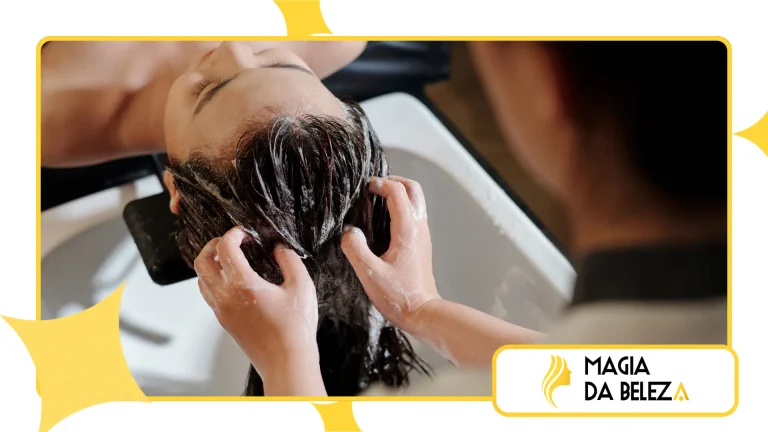
Over-washing your hair accelerates color fading. Try to space out your washes, if possible, to every two or three days.
When washing, use warm water, never hot. Hot water opens the hair cuticles, releasing pigments and leaving strands dull.
A cold shower at the end helps seal the cuticles, adding shine and prolonging the color's hold. It's a beneficial thermal shock.
Co-washing, a technique of washing with conditioner, can be an alternative to refreshing your hair without using shampoo. This practice minimizes damage.

Hydration and Nutrition: The Fuel of Hair Life
Hydration and nutrition are the pillars to maintain the vitality and color of your hair. dyed hairDry hair loses its color quickly.
Invest in weekly treatment masks with ingredients like keratin, vegetable oils, and butters. They replenish lost nutrients.
Find out more: How to Do Hair Oiling Correctly
A hair care routine can be your best friend. Alternate between hydration, nutrition, and reconstruction for a complete treatment.
For example, imagine your hair as a plant that needs different types of fertilizer to flourish. Hydration, nutrition, and reconstruction are these fertilizers.
Sun Protection: An Invisible Shield for Colored Hair
Just like your skin, your dyed hair need protection from UV rays. Sun exposure fades and oxidizes the color.
Products with hair sunscreen are essential, especially on sunny days. Consider hats and caps as stylish and protective accessories.
If you frequent the pool, wet your hair with clean water before getting in and apply a protective leave-in. Chlorine is a major color-damaging culprit.
At the beach, the combination of sea salt and sun can wreak havoc on your color. Protect yourself with specific products and rinse thoroughly after your swim.
Smart Touch-Ups: Strategies for Maintaining Color
You don't need to dye your entire hair with every touch-up. Focusing on the roots can be a smart strategy to preserve the ends and avoid chemical overload.
Consider toning products between colorings. They deposit pigment without altering the hair structure, reviving the color.
See how interesting: Plus Size Fashion: Looks that Enhance Your Look without Clichés
Fantasy colors, like blues and pinks, tend to fade more quickly. For these, colored toners and pigmented mascaras are powerful allies.
For those looking for lighter maintenance, toning shampoos can be an option to keep your color vibrant on a daily basis. They're practical and effective.
The Role of Diet and Dyed Hair
The health of your hair also reflects what you eat. A diet rich in vitamins and minerals directly impacts the vitality of your hair.
Protein, vitamins A, C, and E, and minerals like zinc and iron are crucial for hair health. Include fruits, vegetables, and lean proteins in your diet.
For example, a 2023 study published in the Journal of Cosmetic Dermatology showed that supplementing with biotin and zinc can improve hair quality and shine, indirectly impacting color longevity.
Internal hydration is also essential. Drink plenty of water to keep your hair hydrated from the inside out.

Avoid Bad Habits: The Silent Villains
Certain everyday habits can compromise the longevity of your color. Some are obvious, others less so.
Avoid rubbing your hair vigorously when washing or towel-drying. This friction can open the cuticles and fade the color.
Reduce excessive use of heat tools. High heat is one of the biggest causes of color fading.
Avoid frequent use of anti-residue shampoos, as they deeply remove color pigments. Use them only when absolutely necessary.
Current Trends and Innovations in Colored Hair Care
The beauty market is constantly evolving, and technology offers more and more solutions for color longevity.
Products with molecular repair technologies, which target the hair fiber, are becoming more accessible. They rebuild the hair from the inside out.
Nanotechnology has also been used in formulations, allowing active ingredients to penetrate deeper into the hair, offering superior results.
Hair masks with semi-permanent pigments are an effective alternative for reviving color between touch-ups, especially for vibrant shades.
Myths and Truths about Color Durability
There are many myths about maintaining color. Let's debunk some of them so you can make informed decisions.
"Washing your hair with baby shampoo won't fade it": Myth. Baby shampoos have a neutral pH, but they aren't formulated to protect color and can dry out your hair.
"Cold water sets color forever": Half true. Cold water helps seal the cuticles, but it's not a magic solution for maintaining color indefinitely.
“Apple cider vinegar seals the cuticles and prolongs the color”: True.
Apple cider vinegar's acidic pH helps seal cuticles, adding shine and prolonging color. Use diluted and sparingly.
To illustrate the difference in care, consider two people: Ana, who follows all the tips and uses specific products, and Bia, who uses any shampoo.
THE dyed hair color Ana's, even after weeks, maintains its shine, while Bia's quickly loses its intensity.
A Practical Guide to the Daily Life of Colored Hair
To make your routine easier, I've prepared a table with a quick guide to actions and their benefits for maintaining vibrant color.
| Recommended Action | Main Benefit | Frequency |
| Use sulfate-free shampoo | Prevents fading | Every wash |
| Weekly hydration | Replenishes nutrients, seals cuticles | 1-2 times/week |
| Thermal protection | Minimizes heat damage | Always before the heat |
| Hair sunscreen | Protects against UV rays | Sun exposure |
| Root touch-ups | Maintains color without weighing down the hair | As growth |
A relevant statistic: according to data from the Beauty Research Institute from 2024, 72% of people with dyed hair report that color fading is their main concern after coloring.
This highlights the importance of good post-color care.
Your Color, Your Story
Keep the color of your dyed hair for longer isn't an impossible mission. It's a commitment to the health and beauty of your hair.
With the right techniques, the right products, and a little discipline, you can extend the life of your color and look flawless.
Remember, your hair is an extension of your personality. Taking care of it is taking care of yourself. How about starting to apply these tips today?
Frequently Asked Questions
1. Can I use anti-residue shampoo on dyed hair?
Frequent use of anti-residue shampoo on dyed hair is not recommended, as it can remove color pigments and cause fading.
Use it only in cases of excessive product build-up, and always follow with good hydration.
2. How often should I touch up my roots?
The frequency of root touch-ups depends on your hair growth and the difference in shade between your natural roots and the dyed color. Generally, every 4 to 6 weeks is ideal to maintain a uniform look.
3. What ingredients should I look for in products for color-treated hair?
Look for ingredients like vegetable oils (argan, coconut, avocado), keratin, panthenol, wheat proteins, and sunscreen. Avoid sulfates, parabens, and insoluble silicones, which can harm the color and health of your hair.
4. Does using cold water really help maintain color?
Yes, cold water helps seal the hair cuticles, which better retains color pigments and adds shine to the strands. Avoid very hot water when washing dyed hair.
5. Can I swim in a chlorinated pool with dyed hair?
Yes, but with precautions. Wet your hair with clean water before getting in the pool and apply a protective leave-in conditioner or hair oil.
This creates a barrier against chlorine. After swimming, wash your hair immediately with shampoo and conditioner for color-treated hair.
++ Want to know how to keep your color longer? Check out these tips
++ How to make hair dye last longer in 7 tips