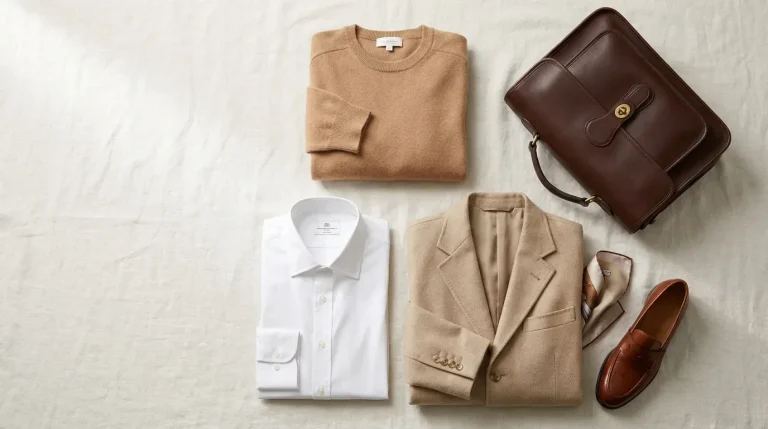


THE conscious fashion transcends the simple choice of pieces; it is a manifesto.
Advertisements
In a world where unbridled consumption dictates trends, rethinking our clothing choices is crucial for the future of the planet and future generations.
The Hidden Impact of Our Wardrobe
Our clothing carries a huge environmental footprint. From fiber production to disposal, each step significantly impacts the environment.
The textile industry consumes vast amounts of water. Thirsty cotton fields and intensive dyeing processes are just the tip of the iceberg.
Toxic chemicals used in manufacturing contaminate rivers and soil, harming ecosystems and human health. The cost is too high.
Furthermore, mass production generates enormous volumes of waste. Fast fashion items quickly become trash, clogging landfills.
Consider the amount of energy involved. Machines operate day and night, powered by fossil fuels, releasing greenhouse gases.
This complex chain forces us to reflect. Are we willing to ignore the destructive trail we leave for momentary pleasure?
Why Does Fashion Need to Be Rethought?
The relentless pursuit of novelty fuels a vicious cycle. Rapid consumption encourages cheap, low-quality production.
This perpetuates inhumane working conditions in many factories. Low wages and exhausting workdays are the norm for millions.
Read more: How to Wear a Midi Skirt Without Aging Your Look
The durability of parts is sacrificed for the sake of low prices. Disposable items quickly become clutter, overloading the system.
The speed at which trends change is dizzying. We barely buy something and it's already "out of fashion," prompting new purchases.
This throwaway culture distances us from the intrinsic value of clothing. They cease to be investments and become ephemeral.
A new paradigm is urgently needed. We need to value what we wear, understanding its full life cycle and practicing conscious fashion.
Unraveling the Conscious Fashion: What Does It Mean in Practice?
THE conscious fashion It starts with information. Knowing where your clothes come from and how they're made is the first step toward real change.
It means prioritizing quality over quantity. Investing in durable pieces that stand the test of time is an act of sustainability.
Adopting smart consumption involves thinking before buying. Do we really need this item, or is it just an impulse?
Reuse and customization are important pillars. Giving new life to old pieces prevents discarding and stimulates creativity.
Choosing sustainable fabrics makes all the difference. Organic cotton, linen, and hemp are more environmentally friendly alternatives.
Supporting ethical brands is essential. Companies that value fair wages and decent working conditions deserve our recognition.

Fabrics of the Future: Innovation at the Service of the Planet for Conscious Fashion
Science and technology are revolutionizing the textile industry. New fibers and processes are emerging as hope.
Regenerated cellulose fibers, such as lyocell, are produced in a more environmentally friendly manner. Their production uses less water and chemicals.
Recycled materials, such as polyester from PET bottles, transform waste into new products. This closes the loop and reduces the need for virgin resources.
There are even fabrics made from food waste. Orange peels and pineapple leaves are used to make innovative and surprising yarns.
See how interesting: Tricks to Lengthen Your Silhouette with the Right Clothing
Bioengineering holds even greater promise. In the future, we may have lab-grown tissues, minimizing the extraction of natural resources.
These innovations show us that it's possible to combine style and responsibility. The future of fashion is green and innovative.
Smart Strategies for a Sustainable Wardrobe
Building a sustainable wardrobe isn't rocket science. Small changes can make a big impact.
Prioritize versatile pieces that coordinate well with each other. A neutral base allows you to create diverse combinations with just a few items.
Invest in timeless classics. A good white shirt or quality jeans never go out of style.
Before you buy, imagine three different combinations with the item. If you can't, it might not be essential.
Consider the cost per use. An expensive but frequently used item can be more economical and sustainable than several cheap, disposable items.
Resist impulsive promotions. "Cheap" can be costly for the planet and your wallet in the long run. Invest in conscious fashion.
Repair and Customization: Give New Life to Your Clothes
A small hole isn't the end of a shirt. Learn how to sew on a button or mend a tear.
Transform old pieces. Jeans can be turned into shorts; a long shirt can be shortened.
Embroidery and appliqués personalize and renew. Your clothing becomes unique and reflects your identity.
Custom pieces have a story. They carry your brand, which makes them even more special.
Explore thrift stores and garage sales. Find vintage treasures and give them a new lease on life, contributing to the conscious fashion.
Care and Longevity: Preserve Your Pieces, Practice Conscious Fashion
Follow the washing instructions on the labels. This prevents premature wear and keeps the colors vibrant.
Wash clothes less often. Many items can be aired out or have spot stains cleaned.
Wash by hand or on a delicate cycle in the washing machine. This saves water and energy, as well as preserving the fabrics.
++ What is Microrest and How Can It Boost Your Well-Being?
Air-dry your clothes whenever possible. Drying clothes consumes a lot of energy and can damage the fibers.
Store your clothes properly. Proper hangers and well-ventilated spaces prevent mold and warping.

The Power of Your Choice
Every purchasing decision is a vote. By choosing ethical and sustainable brands, you support a fairer business model.
You encourage innovation and research into greener solutions. Your money drives the market.
Your choice impacts the lives of workers around the world. You contribute to better working conditions and decent wages.
And most importantly, you inspire others. Your actions can influence friends and family to rethink their habits.
Think of your wardrobe as a garden. If you plant healthy seeds (durable and ethical pieces), it will flourish with beauty and sustainability.
If you throw bad seeds (disposable “fast fashion” items) it will become a tangled mess of trash.
A practical example of a Brazilian brand that stands out in conscious fashion it is the Fine Mesh.
It uses certified organic cotton, has complete traceability of its production chain and invests in dyeing with low environmental impact.
Their pieces are designed to be long-lasting and versatile, with a timeless design that steers clear of passing trends, focusing on fashion that transcends seasons.
Another example is ReCiclo, an e-commerce platform that connects consumers to thrift stores and second-hand shops across Brazil.
They facilitate the buying and selling of used items, promoting the circular economy and combating excessive clothing waste.
ReCiclo not only offers a marketplace, but also education on how to customize and give new life to pieces, extending their lifecycle.
The Impact of Conscious Fashion in Numbers
The fashion industry is one of the biggest polluters on the planet. To give you an idea, according to a report by the Ellen MacArthur Foundation, A New Textiles Economy: Redesigning Fashion's Future, less than 1% of the material used to produce clothing is recycled into new garments.
This means that the vast majority of fibers end up in landfills or are incinerated, generating a colossal waste of resources and energy.
| Environmental Impact of the Fashion Industry |
| Water Consumption |
| Carbon Emissions |
| Waste Generation |
| Use of Chemicals |
| Labor Exploitation |
This alarming statistic highlights the urgency of changing our consumption habits. Conscious fashion is not an option, but a necessity.
A Greener Future, A More Conscious Wardrobe
The journey toward a sustainable wardrobe is ongoing. Every step, no matter how small, counts.
It's an invitation to reflection, creativity, and responsibility. Fashion is a form of expression, and we can use it to express our commitment to the planet.
Embrace the conscious fashion. Dress well, feel good, and do good. After all, our choices today shape the world of tomorrow, don't they?
Frequently Asked Questions
1. Is conscious fashion more expensive?
Not always. The initial investment in quality pieces may be higher, but their durability and timelessness make them more cost-effective in the long run.
Additionally, shopping at thrift stores or customizing old clothes are very economical options.
2. How can I know if a brand is truly sustainable?
Research the brand. Check if it has certifications, such as GOTS (Global Organic Textile Standard) for organic cotton, or if it publishes sustainability reports.
Transparency in the production chain is a good indicator.
3. Can I have a stylish and sustainable wardrobe at the same time?
Absolutely! Conscious fashion encourages creativity and originality.
Many sustainable brands offer modern and innovative designs, and customization allows you to develop a unique style.
4. What is “fast fashion” and why should I avoid it?
“Fast fashion” is a business model that prioritizes the quick and cheap production of clothing to keep up with the latest trends.
This results in low-quality parts, excessive resource consumption, pollution, and often labor exploitation. Avoiding this is crucial to sustainability.
5. What to do with clothes I no longer wear?
Donate to charity, sell at thrift stores, swap with friends, or, if they're very damaged, look for textile collection points for recycling.
The important thing is to prevent them from ending up in landfills.
++ Sustainable fashion: understand what it is, its impacts and importance for the environment