

Makeup for those who are going through hair transition. Hair transition often presents visual challenges, such as the two different textures in the hair.
Advertisements
This can create a feeling of imbalance, impacting our perception of ourselves.
In this scenario, the makeup for those who are in hair transition It can be the bridge that connects the "before" and the "after." It helps create focus, directing attention to the features you want to highlight.
Harmonizing with the New Look
When hair is transitioning, especially with both textures visible, makeup can offset this dichotomy.
A well-defined look or vibrant lips can distract from the difference in hair. Think of it as a dance between the elements of your face, where each step is calculated.
Essential Makeup: The Foundation of Beauty in Transition
Choosing the right foundation is crucial for flawless skin, providing the perfect canvas for other products.
Opt for medium coverage foundations that even out your skin tone without looking heavy.
A natural finish allows your skin to breathe and reveal its authentic beauty. Remember, makeup is an enhancement, not a mask.
Concealer should be used to neutralize dark circles and imperfections, creating a more awake look.
For contouring, use shades that mimic the natural shadows of your face, highlighting angles and bone structure. This adds dimension and sophistication to your makeup.
Eyes: The Focus that Transforms
During the hair transition, the eyes can become the focal point of your makeup, attracting attention.
The way you apply makeup can profoundly influence your expression.
Well-defined and filled-in eyebrows are essential; they frame the face and give it structure.
An eyebrow gel or pencil can subtly fill in gaps.
Find out more: How to Choose the Perfect Blush Color for Your Skin Undertone
Eyeliner can elongate or round your eyes, depending on the shape of your face.
Mascara, in turn, opens up the eyes and adds intensity. Voluminous lashes always lend an air of confidence.
Mouth: A Touch of Color and Personality
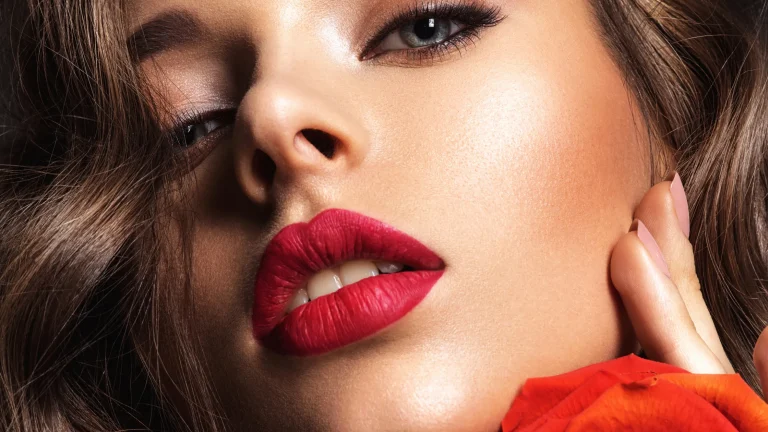
Lips are an invitation to expression and can make a big difference in your makeup. Your choice of color can reflect your mood or the boldness of the moment.
For a subtle look, a nude lipstick or gloss can be the perfect choice. If you're looking to make a statement, a vibrant red or fuchsia are excellent options.
Makeup for those transitioning from a hair color often benefits from colors that lift the mood.

Blushes and Highlighters in Makeup for Those Going Through Hair Transition
Blush adds a healthy dose of color to the apples of your cheeks, giving you a vibrant look.
The highlighter, applied strategically, enhances the skin's natural luminosity. Together, they create a healthy, radiant glow.
Apply blush to the apples of your cheeks, smiling to find the perfect spot. Highlighter should be applied to your temples, Cupid's bow, and the tip of your nose.
See how interesting: Lipsticks That Are Worth a Complete Look: How to Wear Bold Colors
As hair transitions, ideal makeup colors and textures may change.
Natural hair can have a different tone than chemically treated hair.
Curly and Kinky Hair: Warm and Vibrant Tones
For curly and frizzy hair, earthy tones, golds, and vibrant colors like orange and coral can work perfectly. These colors complement the hair's natural texture and volume.
Wavy and Straight Hair: Versatility in Tones
Wavy and straight hair offer greater versatility, allowing for a wider range of colors. Pink, peach, and even a touch of blue or green can enhance your beauty.
Essential Makeup Tips for Hair Transition
Patience is a virtue when transitioning, and makeup can be an empowering tool. Experimentation is key to finding what works best for you.
During transition, it's easy to feel tempted to compensate for insecurity with excessive makeup. However, a lighter, more natural look is often more effective. Subtlety enhances individual beauty.
Choose one element to highlight: eyes or lips. If you opt for bold eyes, keep your lips more understated, and vice versa. This creates visual balance.
The Power of Self-Expression in Transition
Transitioning isn't just about your hair; it's about a journey of self-discovery. Makeup is a tool to express your identity.
Be bold with your makeup choices. Use colors that inspire you and textures that make you feel good. makeup for those who are in hair transition is a celebration of your individuality.
The Importance of Skincare in Hair Transition
A good skincare routine is the foundation for any makeup look. Healthy, well-cared-for skin makes makeup last longer and look more natural.
Always start with clean, moisturized skin. Use a primer to extend makeup wear and smooth skin texture.
Well-prepared skin is the secret to a flawless finish.
Makeup and Confidence: The Inseparable Connection
Makeup has a significant impact on confidence, especially during times of change. By feeling beautiful, you project that confidence to the world.
Research indicates that makeup can boost self-esteem and improve social perception.
A study published in the Journal of Cosmetic Science in 2017 revealed that women who use makeup report greater satisfaction with their own image and feel more confident in various social and professional situations.
This highlights the importance of integrating the makeup for those who are in hair transition as an act of self-care and personal empowerment.

Adapting to the Phases of Makeup for Those Going Through Hair Transition
Each stage of the hair transition is unique and requires different makeup approaches.
Initially, when the texture difference is more pronounced, makeup can be used to draw attention away from the hair. Invest in bold eyes or vibrant lips.
As your hair grows and the two textures become more visible, experiment with different styles.
++ How to Avoid Split Ends Without Cutting Your Hair
Maybe a bolder blush or a graphic eyeliner. makeup for those who are in hair transition can be a testing ground.
Once the transition is nearly complete, makeup can complement the new hair texture. Less is more, and the focus can be on natural luminosity.
Makeup as a Mirror of the Soul
Makeup is more than just products; it's an art form. It reflects who you are and how you feel.
Think of your hair journey like a painter facing a blank canvas.
You are creating a masterpiece, and each brushstroke of makeup adds a layer of color and depth to that creation.
Makeup for those who are transitioning their hair becomes an integral part of this artistic expression.
Just like in a dance, hair and makeup should complement each other, not compete. One should not overshadow the other, but rather enhance the overall beauty. This harmony is key to a cohesive style.
Makeup in the Daily Routine: Simplicity and Effectiveness
You don't need to be a professional makeup artist to create a striking look. Simplicity and effectiveness are the cornerstones of a successful beauty routine.
Imagine Clara, who has been in her hair transition for 6 months.
She wakes up, cleanses and moisturizes her skin, applies tinted sunscreen, a light concealer under her eyes, a little cream blush, and mascara.
Finish with a moisturizing lipstick. In less than 10 minutes, she's ready, feeling confident and radiant.
That's the beauty of makeup for those who are in hair transition when applied intelligently.
The Importance of Product Knowledge
Knowing the right products makes all the difference. Choose quality products that suit your skin type and needs.
| Skin Type | Recommended Products |
| Dry | Moisturizing foundations, creamy concealers, cream blushes. |
| Oily | Mattifying foundations, translucent powders, oil-free primers. |
| Mixed | Natural finish foundations, T-zone primers. |
| Sensitive | Hypoallergenic, fragrance-free products with soothing ingredients. |
This chart offers a quick guide to smart product choices that complement any makeup routine, especially makeup for those who are in hair transition.
How to Avoid Common Makeup Mistakes for Those Going Through Hair Transition
Some mistakes can compromise the final result of your makeup. Avoiding them ensures a more polished look.
Applying too much product, for example, can leave skin looking heavy and artificial. Start with a small amount and build coverage as needed.
Using foundation or concealer shades that don't match your skin tone is a common mistake. Test products on your jawline to ensure compatibility.
The Impact of Hair Transition on the Perception of Beauty
The hair transition reconfigures our perception of beauty, both our own and external.
As natural hair makes a resurgence, it brings with it a new identity. Makeup must evolve along with it, embracing new style possibilities.
Your personal style is a manifestation of your individuality, and makeup is an extension of that.
A hair transition is a time of redefinition, an invitation to explore new facets of your image. Why not use this opportunity to be bold with your makeup too?
Consider Ana, who always wore subtle makeup with her hair straightened. By embracing her natural curls, she felt free to experiment with colorful eyeliner and more vibrant lipsticks.
This not only complemented the exuberance of her new curls, but also expressed the new, bolder, more authentic Ana.
That is the essence of makeup for those who are in hair transition: a self-affirmation tool.
Celebrating Transformation with Makeup Confidence for Those Going Through Hair Transition
Transitioning is a transformative journey, and makeup is a powerful tool to navigate it with confidence and style.
It's not just an adornment; it's an extension of your identity, a way to express your unique beauty at each stage of this incredible metamorphosis.
Remember, beauty is about accepting and loving every step of your journey, and makeup is there to enhance that truth.
Frequently Asked Questions
Can I use the same makeup products I used before the hair transition?
Yes, you can use many of the same products. However, it's important to reevaluate your color and texture choices as your hair and style evolve.
Colors that suit straight hair may not enhance curls as much, and vice versa.
What is the main makeup tip for camouflaging the two hair textures?
The main tip is to focus on highlighting a strong point of the face, such as the eyes or lips. This draws attention away from the different textures of the hair, creating a point of interest that harmonizes the look.
How do I choose the right foundation while transitioning, since my skin tone may look different with my changing hair?
Always test foundation on your jawline in natural light to ensure it blends seamlessly with your skin tone.
Your hair color shouldn't drastically change your skin tone, but your overall visual perception can influence your choice.
Can makeup help boost self-esteem during transition?
Absolutely. Makeup can be a powerful tool for empowerment and self-esteem.
By enhancing your features and feeling good about your appearance, you project confidence, which is crucial during any change process.
Should I completely change my makeup style once my natural hair is fully grown out?
Not necessarily. Transitioning is an opportunity to experiment and discover what works for you.
You can keep elements of your previous style and incorporate new ones, creating a look that reflects your new hair and personal identity.
++ Color Harmony in Personal Image Through Makeup
++ Is sleeping with makeup bad for you? Dermatologist answers