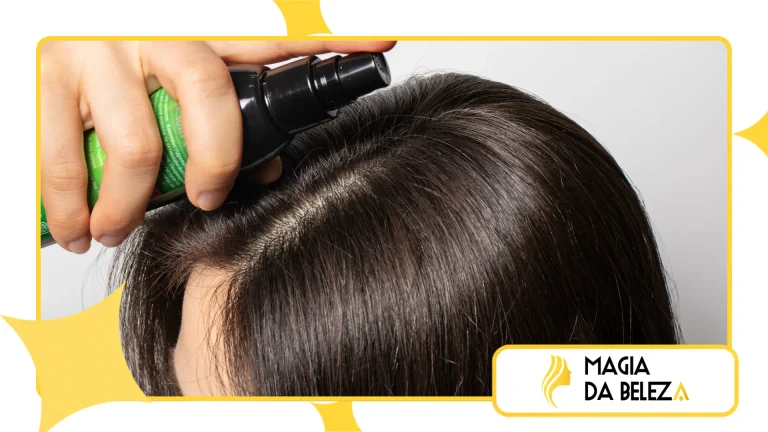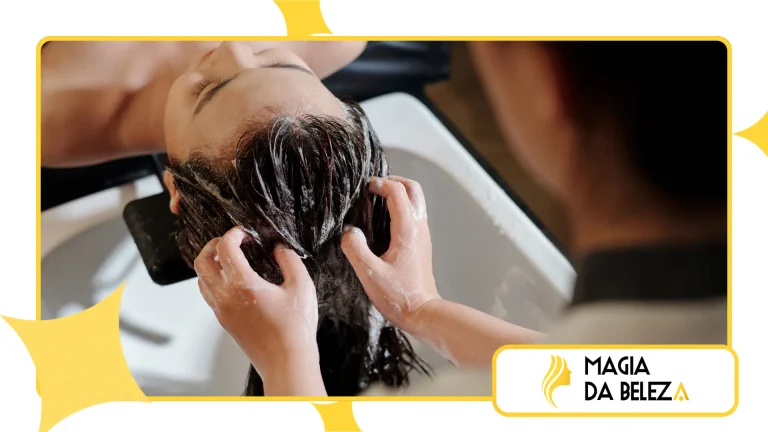

To know identify hair type is the first step to an effective hair routine.
Advertisements
Each hair has unique characteristics that determine how it responds to products, techniques and even the weather.
Ignoring these details can lead to frustrating results, such as dry, brittle, or lifeless hair.
Find out more below!
Identify hair type
This guide offers a practical and informed approach to recognizing your hair type and treating it accurately, ensuring healthy and beautiful hair.
Why would you leave your hair to generic care when you can intelligently personalize your routine?
The journey to understanding hair begins with a detailed look at its properties, such as texture, porosity, and density.
Furthermore, factors such as genetics, environment and daily habits directly influence hair health.
This text explores methods for identify hair type, personalized treatment strategies and answers the most common questions, all with a practical and innovative approach.
With 80% of people choosing hair products without knowing the real needs of their hair (according to Nielsen research, 2023), it's time to change this scenario.
Let's dive into a guide that combines science, creativity, and practical solutions to transform your relationship with your hair.
Why is Identifying Hair Type Essential?
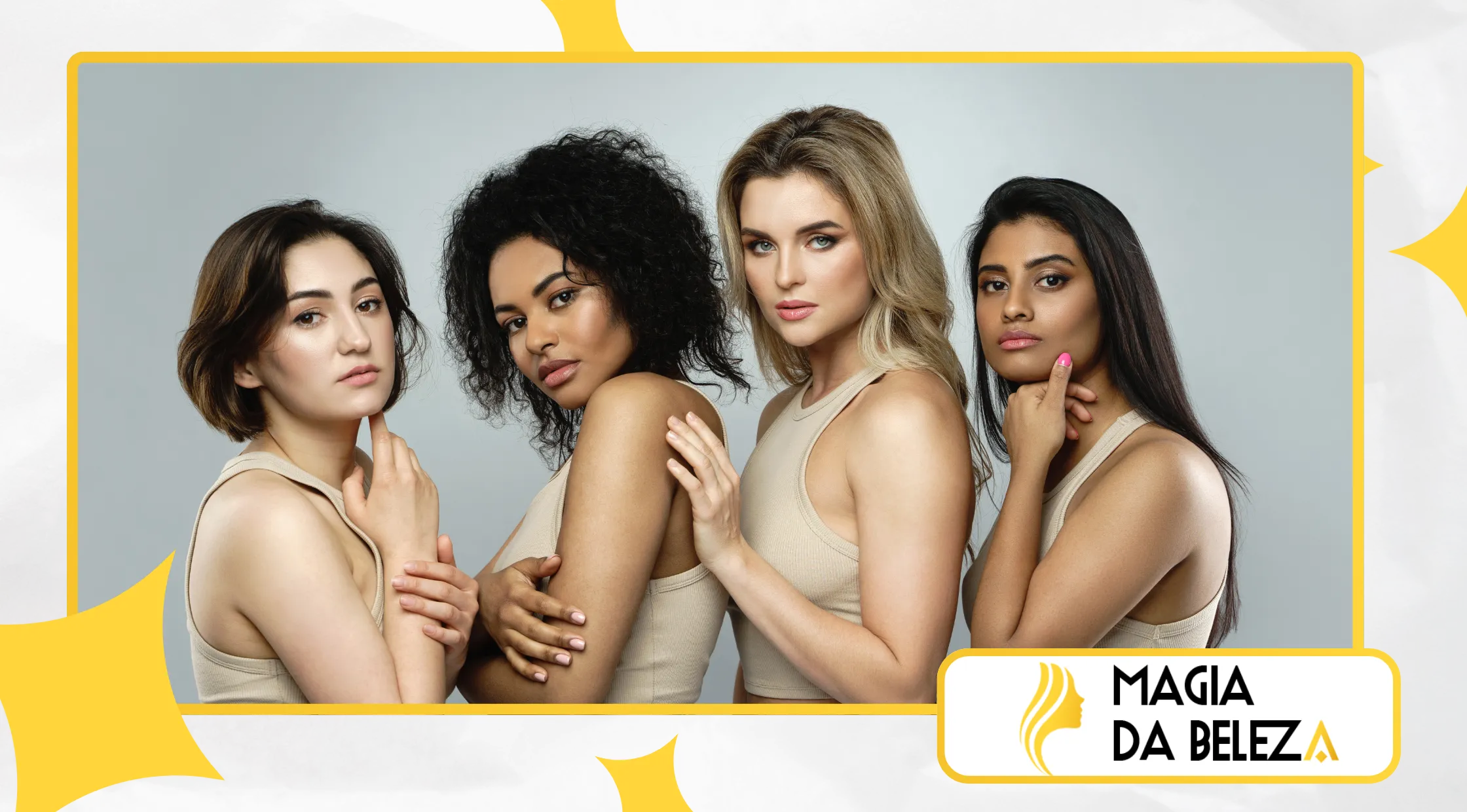
Identify the type of hair It is not just an aesthetic issue, but a strategic step to optimize care.
Each type of hair, whether straight, wavy, curly or frizzy, has characteristics that require specific treatments.
For example, curly hair tends to be naturally drier because the scalp's natural oils have difficulty traveling through the coiled strands.
Therefore, using a shampoo for straight hair can aggravate dryness, while a moisturizing product may be excessive for fine, oily hair.
Furthermore, identification goes beyond texture.
++ How to Do Hair Oiling Correctly
Porosity, which determines the yarn's ability to absorb and retain moisture, is equally crucial.
High porosity yarns, for example, absorb water quickly but also lose it easily, requiring sealing products.
Low porosity strands resist the penetration of water and oils, requiring light formulas and specific techniques, such as the use of heat to open cuticles.
Without this analysis, you could be wasting time and money on unsuitable products.
Think of hair like a plant: just as a cactus needs little water and a lily requires moist soil, each hair type thrives with tailored care.
Ignoring this is like trying to grow an orchid in the desert.
Therefore, investing time in identify hair type is the basis for a hair routine that really works, promoting healthy and vibrant hair.
Practical Methods for Identifying Hair Type

To identify hair type, start by looking at the texture, which is classified into four main categories: Type 1 (straight), Type 2 (wavy), Type 3 (curly), and Type 4 (kinky).
In short, each category has subcategories (A, B, C) that refine the analysis based on yarn thickness and pattern.
A simple method is to wash your hair, let it dry naturally without products, and observe the pattern.
Straight hair stays straight, while wavy hair forms a smooth “S,” curly hair creates defined curls, and kinky hair presents tight spirals or zigzags.
++ How to Make Your Hair Grow Faster with Simple Habits
Another essential factor is porosity. A practical test is the glass of water test: take a clean, dry strand of hair, place it in a glass of room-temperature water, and observe.
If the thread sinks quickly, it is high porosity; if it floats, it is low porosity; if it stays in the middle, it is medium porosity.
This test reveals how hair interacts with moisture, guiding product selection.
For example, Mariana, 28, discovered that her 3C curls had high porosity, which explained why heavy creams left her strands dull.
So, after adopting light oils and heat moisturizing, she noticed more shine and definition.
Density, or the number of threads per square centimeter, also matters.
To assess it, separate your hair into different sections and look at your scalp.
If it is easily visible, the density is low; if it is barely visible, it is high.
Understanding these aspects allows you to create a personalized hair routine, avoiding common mistakes such as product overload or inappropriate treatments.
Table:
| Feature | How to Identify | Implications for Care |
|---|---|---|
| Texture | Observe the pattern after natural drying (straight, wavy, curly, frizzy). | Defines the need for hydration and finishing (e.g. oils for curly hair, creams for straight hair). |
| Porosity | Glass of water test: sinks (high), floats (low), middle ground (medium). | Indicates the type of product (sealants for high porosity, light for low). |
| Density | Visibility of the scalp when separating the strands. | Impacts the amount of product used (less for low density, more for high). |
Treatment Strategies for Each Hair Type

Once you get it identify hair type, the next step is to personalize care.
Straight hair (Type 1), for example, tends to be more oily, as sebum from the scalp slides easily through straight strands.
Therefore, clarifying shampoos and lightweight conditioners are ideal to avoid a heavy appearance.
However, care must be taken not to remove all natural oils, which can lead to dull and brittle hair.
Curly (Type 3) and frizzy (Type 4) hair, on the other hand, require intensive hydration.
The curvature prevents the even distribution of natural oil, making them prone to dryness.
Techniques such as moisturizing with vegetable oils (such as coconut or avocado) and using leave-in products with natural butters, such as shea, help maintain moisture.
João, 34, with 4B hair, transformed his brittle strands into defined curls by incorporating leave-in hydrating masks and reducing washing to twice a week, preserving natural oils.
For wavy hair (Type 2), balance is key.
They can range from oily at the roots to dry at the ends, requiring products that control oil without compromising hydration.
Additionally, techniques like plopping your hair dry with a cotton t-shirt to define waves can enhance texture without frizz.
Regardless of the type, avoid harsh sulfates and opt for products with natural ingredients to minimize damage.
Table:
| Hair Type | Features | Recommended Care |
|---|---|---|
| Type 1 (Smooth) | Oily, flat, shiny. | Clarifying shampoo, lightweight conditioner, avoid excess oils. |
| Type 2 (Wavy) | “S” shape, can be oily at the roots and dry at the ends. | Light creams, plopping, gentle shampoos to balance oiliness and hydration. |
| Type 3 (Curly) | Defined curls, prone to dryness. | Moisturizing masks, leave-ins, moisturizing with vegetable oils. |
| Type 4 (Curly) | Tight spirals, very dry. | Intense hydration, natural butters, reduced washing, heat protection. |
The Influence of Environment and Lifestyle

The environment plays a significant role in hair health, which is often underestimated.
In humid climates, for example, curly hair can suffer from excessive frizz, while in dry regions, even straight hair can become dehydrated.
Like this, identify hair type also involves considering external factors.
Heat protectors and products with UV filters are great for sunny environments, while sealing oils are helpful in high humidity areas.
Lifestyle also has an impact. Diets low in nutrients like protein and omega-3s can weaken hair, while chronic stress increases hair loss.
Incorporating biotin-rich foods like eggs and nuts and maintaining a regular sleep routine can strengthen your hair from the inside out.
Additionally, avoiding very tight hairstyles and reducing the use of heat tools preserves the integrity of the strands.
Consider your hair a canvas that reflects your environment and daily choices.
Just as a painter adjusts his colors to the weather and light, you should adapt your hair routine to both external and internal conditions.
Small changes, like using satin pillowcases to reduce friction or adjusting your washing frequency, can make a noticeable difference.
Frequently Asked Questions about Hair Identification and Treatment
Doubts about how identify hair type and treating it correctly are common, especially with the amount of information available.
Below, a table answers frequently asked questions based on best practices and hair science.
| Question | Response |
|---|---|
| How do I know if my hair is low or high porosity? | Do the glass of water test. Threads that sink have high porosity; those that float have low porosity. |
| Can I use the same product for all hair types? | No. Each type requires specific formulas to meet hydration and texture needs. |
| How often should I wash my hair? | It depends on the type: straight (2-3 times/week), curly/frizzy (1-2 times/week), wavy (2 times). |
| What causes frizz in curly hair? | Lack of hydration, high humidity, or damaged cuticles. Use leave-in products and sealing oils. |
| Are natural products better for your hair? | Not always. Natural ingredients are beneficial, but balanced formulas are more effective. |
Conclusion: Personalize Your Routine Intelligently
Identify hair type is the foundation for an effective hair routine.
Understanding texture, porosity, and density allows you to choose products and techniques that respect the unique needs of your hair.
Furthermore, considering the impact of environment and lifestyle takes care to another level, ensuring visible and lasting results.
Whether you have 4C curls looking for definition or straight hair struggling with oiliness, customization is key.
With the right tools, like simple tests and the right products, you can transform your hair routine into a ritual of care and self-confidence.
After all, why settle for generic care when your hair deserves the best?