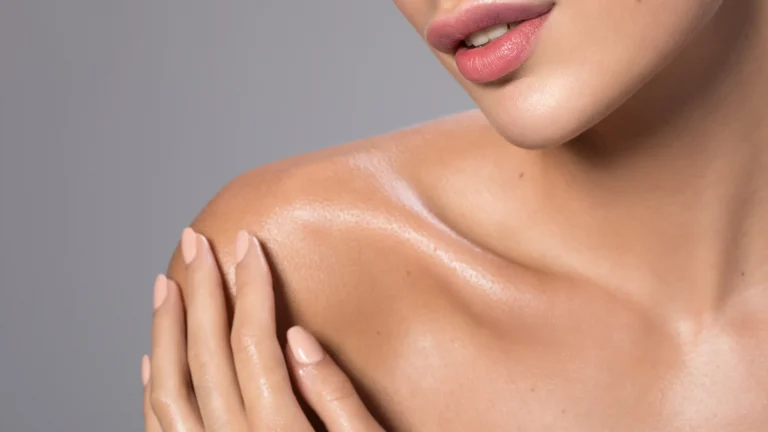

Skin care doesn’t have to start with expensive products or complicated procedures. Often, the solution is right around the corner, in what you already have at home. homemade facial moisturizer It is an effective, affordable and gentle alternative, capable of transforming the skin's glow and health when done with care and consistency.
Advertisements
More than just a recipe, this is a ritual that is also good for the mind. Daily self-care helps relieve stress and strengthens self-esteem. And when you notice softer, more radiant skin, you understand that small gestures can have a big impact.
Below, you'll discover how to put together a simple moisturizing routine, how to choose the best natural ingredients, and what to look out for before applying any mixture.
Why does facial skin lose moisture so easily?
The skin on your face is thinner and more sensitive than other areas of your body. It is constantly exposed to the sun, wind, pollution, temperature changes, and chemicals used in cleaning. All of this wears down your body's natural protective barrier.
When this layer is compromised, the skin loses water more easily and becomes vulnerable. The result can be a feeling of dryness, redness, dullness and even the appearance of premature fine lines. The problem worsens on cold days, in air-conditioned environments or when there is an inadequate intake of liquids.
That's why maintaining constant hydration is so important. It repairs the protective barrier and restores balance to the tissue.
Read also: SOS Dry Skin: Products and Tips for Intense Hydration
Natural ingredients that truly moisturize
Not every natural ingredient is suitable for all skin types. But some have safe and proven properties.
Honey is known for its moisture-retaining properties and antibacterial properties. Aloe vera soothes, regenerates and provides deep hydration.
Avocado provides vitamins and healthy fats, great for dry and mature skin. Oats have a calming effect, relieve irritation and help maintain softness.
Each ingredient can be used alone or combined with others. But first, it is essential to do a small sensitivity test on the forearm to avoid reactions.
How to prepare your skin before homemade moisturizing
To get the most out of any recipe, it’s important to thoroughly cleanse your face. Use a gentle soap that’s right for your skin type and rinse with cool or lukewarm water. This removes impurities and allows for better absorption of nutrients.
If you want to enhance the effect, gently exfoliate before applying the mask. You can do this with a mixture of honey and sugar or very fine oatmeal. Massage in circular motions and rinse with water. This step helps remove dead cells, leaving the skin more receptive.
Simple and effective recipes you can try today
1. Soothing Honey and Oatmeal Mask
Mix a tablespoon of honey with a tablespoon of fine oatmeal. Apply to a clean, dry face. Leave on for 10 to 15 minutes. Rinse with cold water. This combination moisturizes and soothes, making it great for sensitive skin.
2. Deep hydration with avocado
Mash half a ripe avocado until it forms a cream. Apply to your face, avoiding the eye area. Leave on for 20 minutes. Remove with warm water. This recipe is ideal for dry skin.
3. Pure aloe vera to revitalize
Cut an aloe vera leaf, remove the gel inside and apply directly to your face. Leave it on for 15 minutes and rinse. Aloe vera helps regenerate and soothe irritated skin.
Important care after application
After removing the mask, gently pat your face dry with a clean towel. Avoid rubbing. Finish with a light moisturizer or a few drops of vegetable oil, such as grapeseed or jojoba oil. This will help lock in moisture for longer.
Avoid direct exposure to sunlight for the next few hours. Even natural ingredients can sensitize the skin. And if you notice persistent irritation, stop using the product.
What do studies say about natural hydration?
Research shows that maintaining a moisturizing routine strengthens the skin barrier and improves the overall appearance of the skin. A study published in Journal of Clinical and Aesthetic Dermatology pointed out that natural masks with plant-based active ingredients can retain water in the epidermis and reduce transepidermal loss by up to 40%.
Although they are not a substitute for medical treatments, these practices are effective in maintaining and preventing dryness.
When home hydration is not recommended
Not everyone can use homemade recipes without caution. Anyone with a history of allergies, dermatitis or rosacea should consult a dermatologist first. Some natural ingredients may contain compounds that irritate very sensitive skin.
Additionally, if you are using acids or aesthetic treatments, such as peels, it is important to space out the applications and observe how the skin reacts.
Tips for staying hydrated on a daily basis
In addition to the weekly mask, other simple actions help to keep your facial skin healthy:
- Drink plenty of water.
- Use sunscreen daily.
- Avoid very hot and long baths.
- Choose gentle cleaning products.
- Have a diet rich in vegetables and good fats.
With these precautions, the homemade facial moisturizer will have even more effect.
Conclusion
Choosing a homemade moisturizer is an affordable, sustainable and gentle option for your body. With simple recipes, consistency and attention to what your skin needs, you can achieve real results. More than just aesthetics, this moment can be a ritual of presence and self-care.
Whether it’s a honey mask, an aloe vera compress, or a vegetable oil, beauty happens when you connect with your skin in a respectful way. Give yourself this treat — your skin and self-esteem will thank you.
FAQ
Does homemade moisturizer replace facial cream?
It complements, but does not replace, daily moisturizer is essential to maintain results.
How often can I use natural masks?
For most skin types, once to twice a week.
Can I use more than one ingredient at a time?
Yes, but always do a sensitivity test first.
What is the best time to apply?
At night, when the skin can better absorb nutrients.
Can aloe vera be used pure?
Yes, as long as only the internal gel is applied and it is clean.