
Prebiotic fiber improves gut health. By nourishing the beneficial bacteria that live in the human gut. This silent — almost invisible — relationship influences digestion, immunity, metabolism, and even subtle aspects of daily well-being.
Advertisements
For a long time, digestive health was associated only with bowel function. Today, the perspective is different. Science has come to see the gut as a living, complex ecosystem that is surprisingly sensitive to what we put on our plates.
It is in this context that prebiotic fibers have gained prominence. They do not act directly on the human body, but they feed trillions of microorganisms that inhabit the gut. The interesting thing is that, by nourishing these bacteria, we end up nourishing our own health as well.

Summary
- What are prebiotic fibers?
- How they work in the body
- Why do they influence well-being?
- Foods rich in prebiotics
- Recommended quantity and precautions
- Frequently Asked Questions
What are prebiotic fibers?
Prebiotic fibers are indigestible carbohydrates that pass virtually intact through the upper digestive system until they reach the large intestine. It is there that the most interesting process begins.
In the colon, these compounds become food for bacteria considered beneficial. Among them are microorganisms known to promote the balance of the intestinal microbiota.
Among the most studied fibers are inulin, fructooligosaccharides, and galactooligosaccharides. These names may sound technical, but they occur naturally in common everyday foods.
When consumed frequently, these fibers help stimulate the growth of bacteria associated with a more stable intestinal environment. The gut then functions like a well-cared-for garden, where beneficial species can thrive.
How does prebiotic fiber work in the gut?
The effect of prebiotic fibers begins during a process called intestinal fermentation. At this stage, bacteria in the gut microbiota use these fibers as a source of energy.
During this fermentation process, compounds known as short-chain fatty acids are produced, especially butyrate, acetate, and propionate. These metabolites play important roles in digestive health.
Butyrate, for example, serves as fuel for the cells of the large intestine. This biological detail often goes unnoticed, but it has a direct impact on the integrity of the intestinal wall.
In this context, Prebiotic fiber improves gut health. by strengthening the digestive mucosa and contributing to an environment less prone to persistent inflammation.
When this balance is established, the gut tends to function more regularly. Digestion becomes more efficient and the gut microbiota maintains greater diversity.
++ Benefits of nature bathing for reducing stress and anxiety.
Why does the balance of the gut microbiota influence well-being? Prebiotic fiber improves gut health.
The gut is home to trillions of microorganisms that participate in countless metabolic processes. For decades, this microscopic community has received little attention from science.
Today the situation has changed radically. Research shows that the microbiota participates in vitamin production, immune system regulation, and even communication with the nervous system.
This communication occurs through the so-called gut-brain axis, a signaling system that connects the digestive tract to the central nervous system.
For this reason, Prebiotic fiber improves gut health. and ultimately influences broader dimensions of well-being. When the microbiota is balanced, the body tends to respond better to metabolic and inflammatory challenges.
Find out more: Functional nutrition for well-being: what it is, benefits, and how to apply it.
Studies on nutrition and microbiota also indicate that diets rich in fiber are associated with a lower risk of cardiovascular disease, obesity, and type 2 diabetes.

What foods are rich in prebiotic fiber?
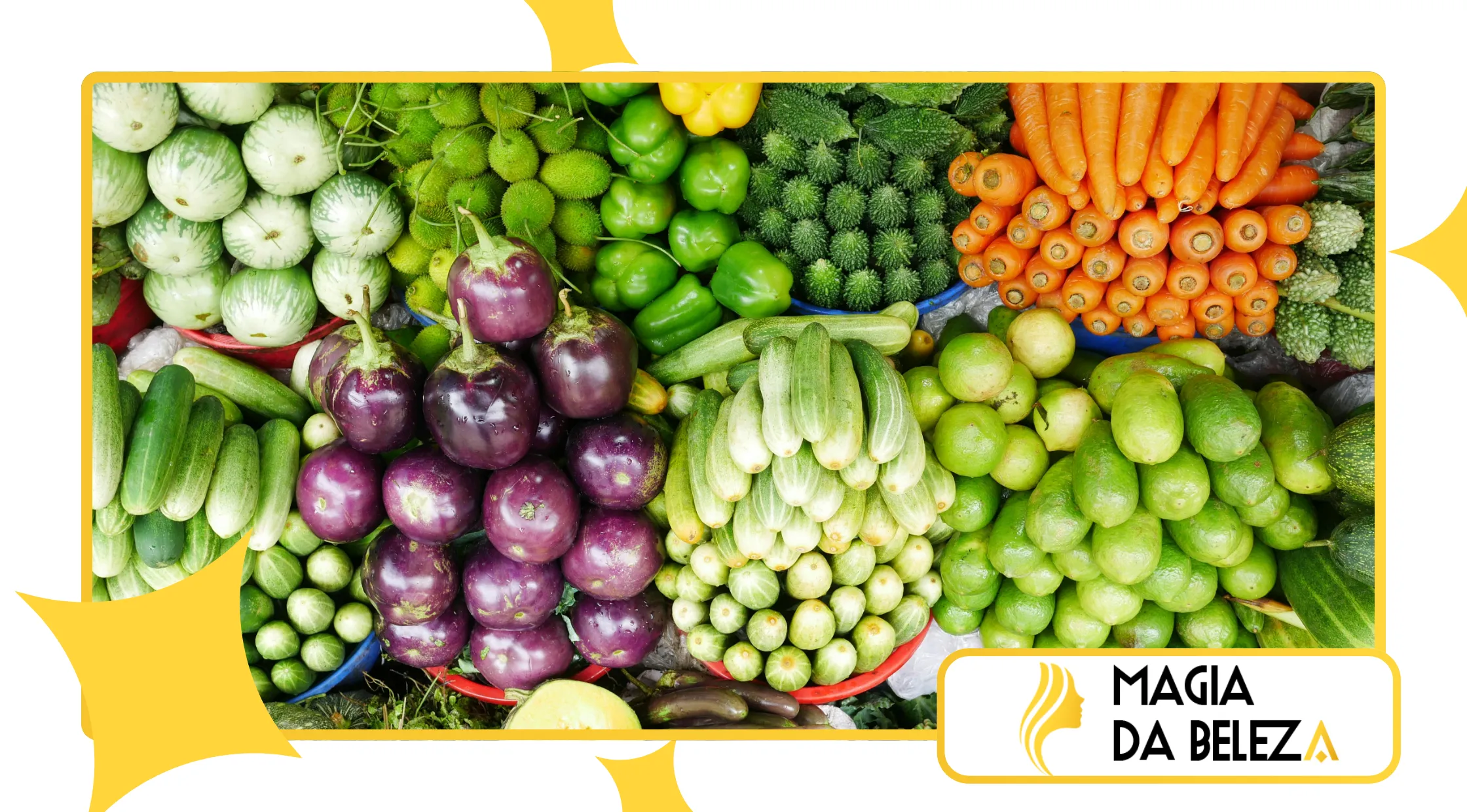
A large portion of prebiotic fibers is found in simple foods, frequently present in Brazilian cuisine. These are not rare or difficult-to-find ingredients.
Vegetables, roots, and some grains contain significant amounts of these fibers, especially when consumed in minimally processed preparations.
++ In 2026, fashion abandons micro-trends and values classic pieces; find out which ones.
The table below lists well-known examples of foods containing prebiotic fiber.
| Food | Predominant fiber type | Main benefit |
|---|---|---|
| Garlic | Inulin | It stimulates the growth of beneficial bacteria. |
| Onion | Fructooligosaccharides | Promotes microbiota diversity. |
| Green banana | Resistant starch | Butyrate production |
| Oat | Beta-glucans | Improves digestion and satiety. |
| Artichoke | Inulin | Supports intestinal metabolism. |
When these foods become part of the daily diet, the gut receives continuous positive stimulation.
In this food context, Prebiotic fiber improves gut health. without the need for complex interventions or extremely restrictive diets.
When should you consume prebiotic fiber for best results?
There is no mandatory time to consume foods rich in prebiotics. The factor that really makes a difference is consistency.
Distributing fiber sources throughout the day usually yields more consistent results. This allows the gut microbiota to receive energy substrate regularly.
Some people experience a temporary increase in gas when they increase their fiber intake. This effect usually disappears as the body adjusts to the new diet.
Therefore, the most sensible recommendation is usually simple: increase consumption gradually.
With this progressive adaptation, Prebiotic fiber improves gut health. without causing significant digestive discomfort.
What is the recommended amount of fiber?
International health organizations suggest that adults consume approximately 25 to 38 grams of fiber per day. This amount includes soluble, insoluble, and prebiotic fibers.
In practice, achieving this number requires a diet rich in vegetables, fruits, legumes, and whole grains.
Interestingly, modern diets often feature consumption below this level. The rise in ultra-processed foods has contributed to reducing daily fiber intake in many populations.
When natural foods are reintroduced into the diet more frequently, the gut responds quickly.
In this context of a more balanced diet, Prebiotic fiber improves gut health. Gradually, following the strengthening of the microbiota.
Closing
There's something curious about the relationship between diet and gut microbiota. Small daily choices—a bowl of oatmeal, a slightly unripe banana, sautéed garlic when preparing food—end up influencing an entire microscopic universe.
This universe, in turn, returns the favor. Gut bacteria participate in essential metabolic processes, modulate inflammation, and help maintain stable digestive function.
For this reason, Prebiotic fiber improves gut health. Not as a quick fix, but as part of a silent process of biological balance.
When the diet is closer to natural and varied foods, the gut tends to respond with something valuable: stability.
For detailed scientific reading on fiber and digestive health, the National Institutes of Health provides up-to-date technical material.
Frequently Asked Questions
Is prebiotic fiber the same thing as probiotic fiber?
No. Probiotics are live microorganisms found in fermented foods or supplements. Prebiotics, on the other hand, are fibers that serve as food for these beneficial bacteria.
Is all dietary fiber prebiotic?
Not necessarily. Some fibers primarily act on intestinal transit, while prebiotics have the specific function of stimulating beneficial bacteria.
Are prebiotic supplements necessary?
In most cases, a balanced diet rich in vegetables provides adequate amounts of prebiotic fiber.
How long does it take to see the benefits?
Changes in the gut microbiota can begin a few days after dietary changes. More consistent benefits usually appear after a few weeks.
Can people with sensitive stomachs consume it?
Yes, but ideally, consumption should be increased gradually. In cases of digestive sensitivity or specific conditions, professional guidance can help adjust the diet.
++ Prebiotic fibers: what they are and their benefits
++ The Power of Fiber and Probiotics for a Balanced Gut Flora