
Benefits of nature bathing They have ceased to occupy a marginal space in conversations about well-being and have become part of serious discussions about mental health, stress prevention, and quality of life.
Advertisements
There is something unsettling about how we distance ourselves from nature while trying to alleviate anxiety with only quick and artificial solutions.
This article analyzes nature bathing without romanticizing it. The aim is to understand how this practice acts on the body and mind, why it has gained scientific support, when it makes sense to adopt it, and what effects are actually sustained in daily life.
Summary:
What is nature bathing?
How does the body react to contact with nature?
Why does this practice reduce stress and anxiety?
– When and how to apply it in everyday life
What benefits have been observed by science?
Concrete data on mental health and natural environments.
Frequently Asked Questions
What is nature bathing and what is often misunderstood about it?
Nature bathing, also known as shinrin-yokuIt doesn't involve performance, personal achievement, or productivity disguised as self-care. The essence of the practice is precisely to slow down.
It's about being fully present in natural environments, without haste, without physical goals, and without the obligation to transform the experience into something "useful." This simplicity is often misunderstood.
The concept originated in Japan as a direct response to the rise in illnesses associated with urban stress, integrating preventive public health policies, not passing trends.
How does nature bathing affect the brain and body?
By consciously exposing oneself to nature, the body almost automatically alters its internal rhythm. Breathing becomes deeper, muscle tension decreases, and the constant state of alertness begins to subside.
This process activates the parasympathetic nervous system, which is responsible for restoring functions compromised by prolonged stress, such as sleep, digestion, and emotional balance.
There is also a reduction in activity in brain regions associated with fear and excessive vigilance, which explains the feeling of a calmer mind after these experiences.
Why does contact with nature reduce stress and anxiety?
Among the Benefits of nature bathingOne of the most important factors is the interruption of repetitive mental cycles. Anxiety rarely arises in isolation; it feeds on continuous stimuli.
Urban environments offer excessive noise, artificial light, notifications, and invisible demands. Nature doesn't require immediate responses, judgment, or productivity.
This contrast creates a rare psychological space where the brain reduces cognitive overload without conscious effort.
When does it make sense to include nature bathing in your routine?
There's no need to wait for vacations, long weekends, or trips to distant locations. Sessions between twenty and forty minutes already produce noticeable effects when repeated throughout the week.
Morning practices tend to promote mental clarity, while the end of the day contributes to the gradual release of accumulated tension. Consistency matters more than the time chosen.
Read more: Is your routine inflammatory?
When viewed as a genuine break, and not as an obligation, the practice integrates more easily into the routine.
Which environments actually work for practice?
Forests, urban parks, beaches, and areas with diverse vegetation offer rich sensory stimuli, especially natural sounds, variations in light, and subtle aromas.
Interestingly, it's not the size or beauty of the place that determines the effect, but the quality of presence during the experience. A small park can be sufficient.
Reducing artificial interference and allowing the environment to set the pace makes all the difference.
What benefits are consistently observed?
You Benefits of nature bathing Benefits include reduced blood pressure, improved mood, and greater emotional stability after regular periods of practice.
There is also an improvement in heart rate variability, an indicator associated with the body's ability to cope with stress in a more adaptive way.
Another less discussed effect involves immunity, since natural environments stimulate physiological responses linked to the body's defense.
Real data on mental health and nature
The rise in stress-related disorders has led international institutions to reconsider preventive strategies beyond traditional drug treatment.
The World Health Organization recognizes that environmental factors have a direct influence on mental health, especially in dense urban settings.
Find out more: How to tell if your skin is inflamed, sensitive, or just dehydrated.
Research compiled by public health institutes indicates measurable effects of contact with nature, as demonstrated below.
| Indicator evaluated | Observed result | Institutional source |
|---|---|---|
| Cortisol | Average reduction between 10% and 20% | NIH |
| Blood pressure | Light and consistent hair loss | Medical publications |
| Humor | Significant subjective improvement | Environmental psychology |
Additional technical information can be found at National Institutes of Health
How can nature bathing be adapted to the Brazilian reality?
Integrating nature bathing into your routine doesn't require radical changes, but rather conscious intention. This is often the biggest challenge in busy schedules.
Squares, urban parks, and green areas near one's home or workplace offer sufficient conditions for practice when used with full awareness.
The common mistake is trying to fit the experience in as just another task, when it works better as a genuine break.
Conclusion
You Benefits of nature bathing They go beyond momentary relaxation and involve a silent reorganization of how we deal with daily stimuli, pressures, and expectations.
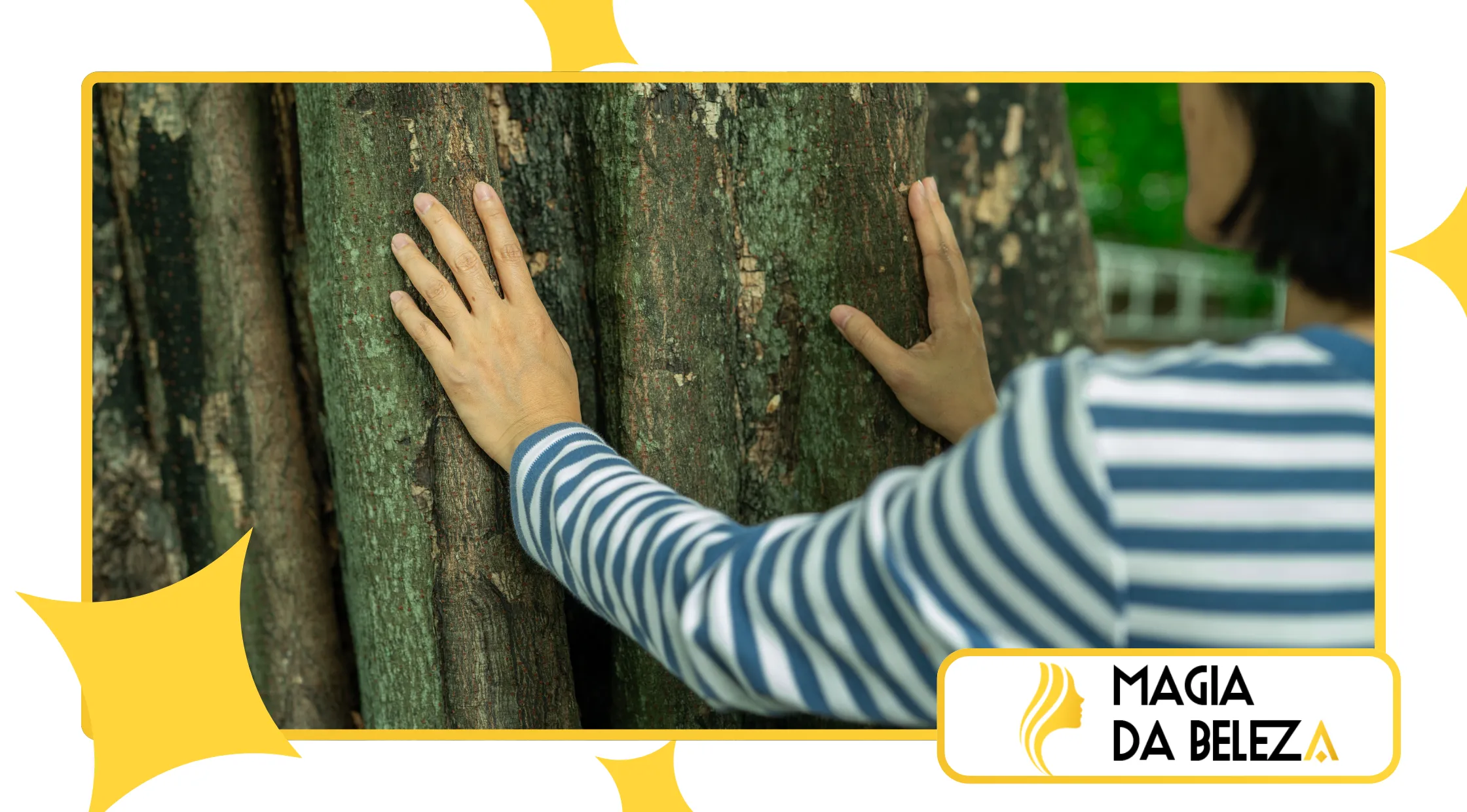
By creating regular spaces for contact with nature, a person does not distance themselves from reality, but rather strengthens internal resources to face it with greater balance.
Perhaps the greatest value of this practice lies in something simple: remembering that the human body was not designed to live permanently in a state of alert.
For global guidelines on mental health and well-being, please also consult the World Health Organization
FAQ – Frequently Asked Questions
Is nature bathing a form of meditation?
Not exactly. While it shares mindfulness principles, the focus is on sensory experience with the natural environment, without formal meditative techniques.
How often should I practice?
Doing this two to three times a week usually produces consistent results, provided the practice is maintained over time.
Does it help in cases of diagnosed anxiety?
It can act as a complement, but it does not replace psychological or psychiatric care when indicated.
Do I need to go to remote locations to practice?
No. Urban natural environments offer real benefits when experienced with presence and without digital distractions.
Is it suitable for all ages?
Yes. Children, adults, and the elderly can practice, respecting individual limits and health conditions.
++ The power of contact with nature for health and well-being.