This approach is not just aimed at addressing vitamin or calorie deficiencies. It seeks a positive modulation of the body, promoting... long-term health.
Have you ever stopped to think about the preventative power of your plate of food? That's the essence of functionality.
What are the undeniable benefits of adopting this diet?
The benefits of incorporating Functional nutrition for well-being. They are vast and well-documented by contemporary science.
One of the most notable is the strengthening the immune systemFoods rich in antioxidants and vitamins modulate the body's defense response.
Gut health is another area greatly impacted. Regular consumption of prebiotics and probiotics, such as those found in yogurt and leafy green vegetables, optimizes the gut flora.
This improves the nutrient absorption and mental health, due to the gut-brain connection.
Furthermore, significant improvements are noted in prevention of cardiovascular diseases.
Ingredients such as the unsaturated fats in olive oil and the fiber in oats help control cholesterol levels.
The impact extends to glycemic control, aiding in the prevention and management of type 2 diabetes. Soluble fibers, for example, slow down the absorption of glucose in the intestine.
In 2024, the World Health Organization (WHO) reiterated in its report on healthy diets the importance of consuming whole and functional foods.
They are crucial in reducing the risk of 16 million premature deaths annually associated with malnutrition.
Functional nutrition for well-being.
How can we apply the principles of functional nutrition to improve our daily well-being?
The transition to a style of Functional nutrition for well-being. It doesn't require major disruptions, but rather small, consistent, and intelligent replacements.
The key is to increase the diversity and quality of nutrients consumed.
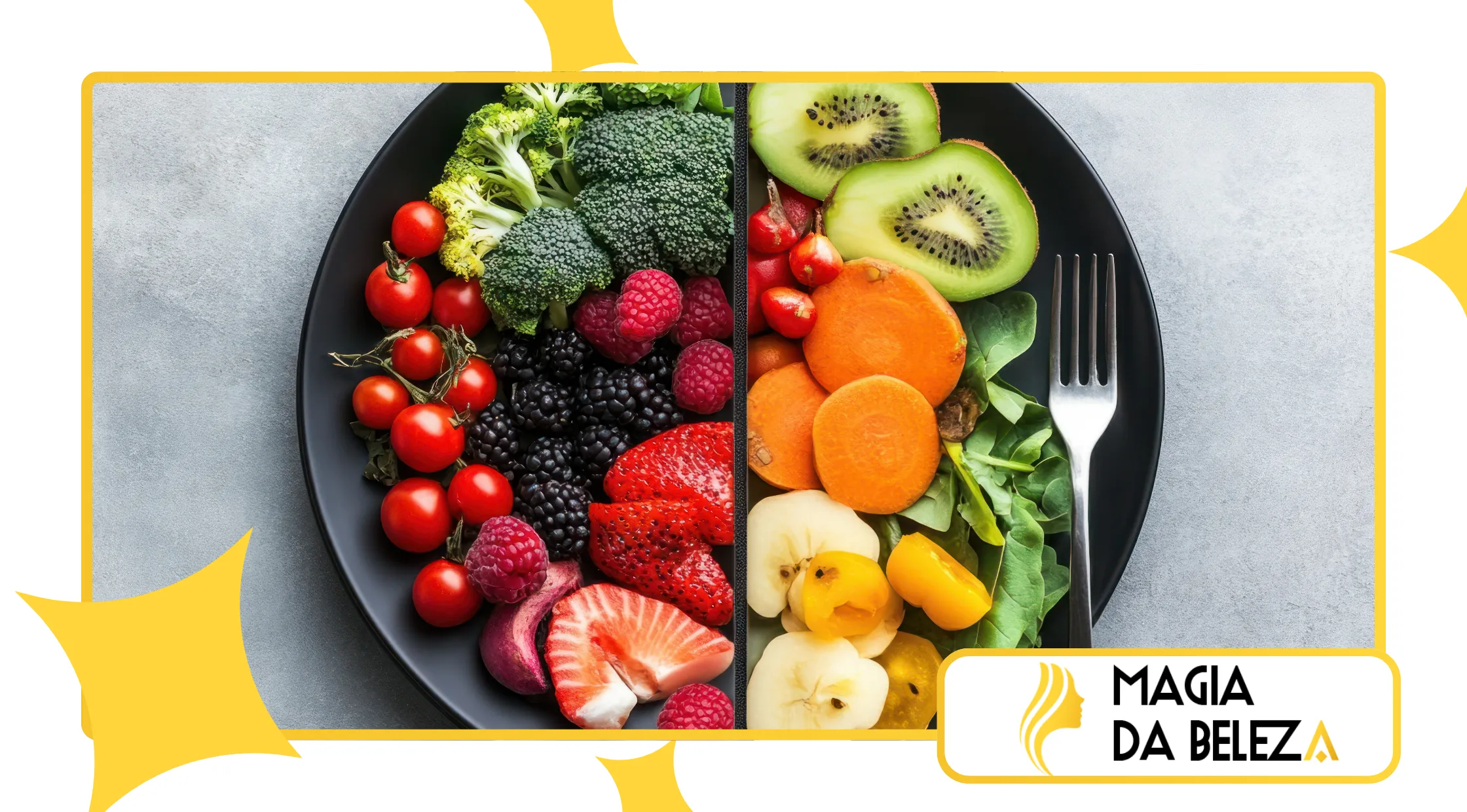
Start by including a portion of red fruits (blueberries, strawberries) daily. They are true powerhouses of antioxidants, fighting cellular aging.
Another effective strategy is to replace refined salt with natural spices and fresh herbs. Garlic, turmeric, and ginger have powerful anti-inflammatory properties.
Think of your fuel as the lubricating oil for a high-performance engine.
If you use the right oil, the machine will operate smoothly and last much longer. That's the perfect analogy. For the power of functional foods.
Which foods are considered true functional heroes?
Identifying foods with higher functional density facilitates practical application.
Think of dark green vegetables as the broccoli and the cabbage, rich in sulforaphane, a substance that aids in liver detoxification.
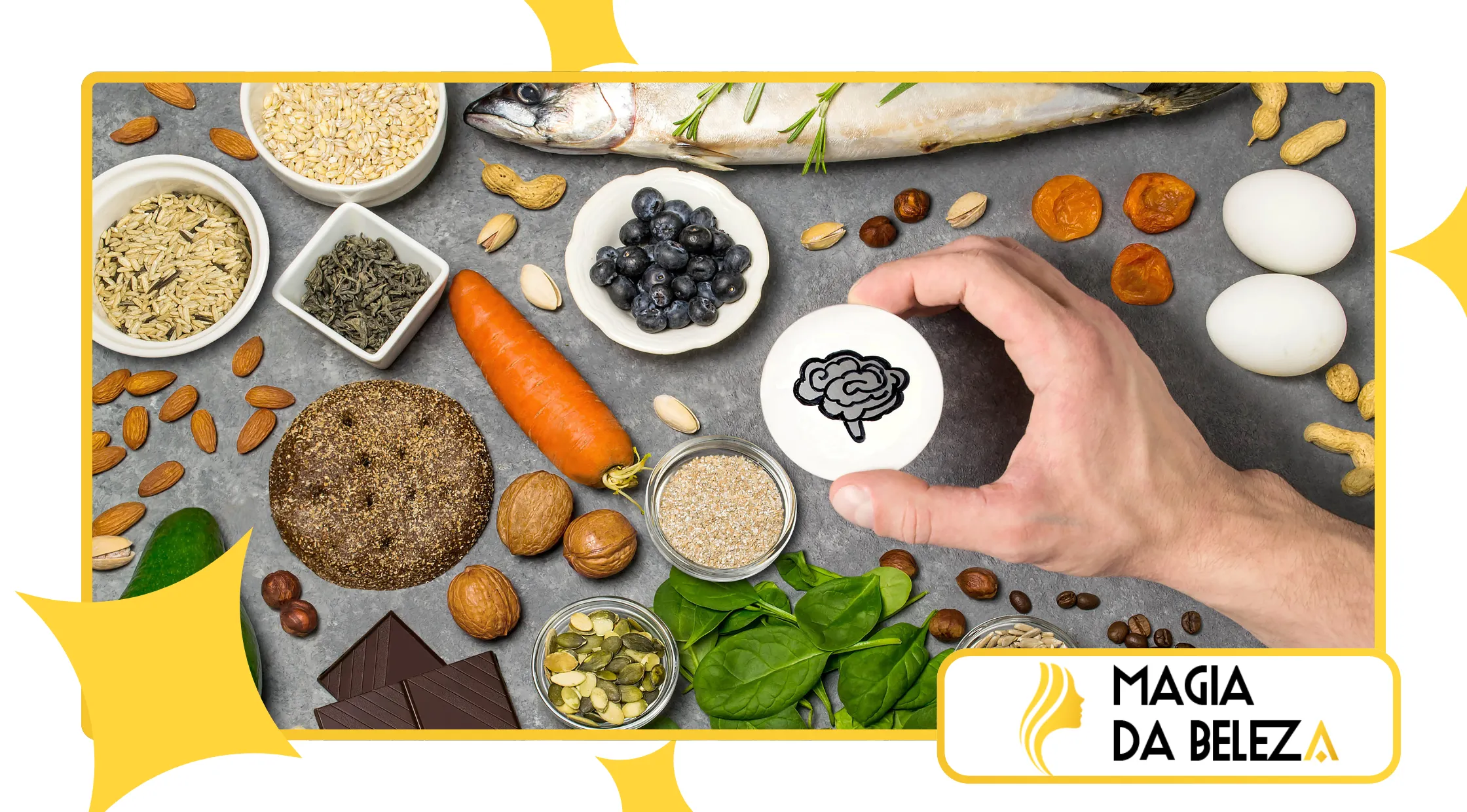
Oilseeds, such as linseed and the chiaThey are spectacular sources of plant-based omega-3s and fiber. They contribute to cardiovascular and intestinal health.
Consumption of whole grainsGrains, such as quinoa and brown rice, should be prioritized over refined grains. They provide B vitamins and help with satiety.
Instead of a snack processed, try it Natural yogurt with added kefir., pumpkin seeds and a drizzle of honey.
This snack promotes digestive health and provides high-quality protein.
What are the best strategies for incorporating bioactive components? Functional nutrition for well-being.
The incorporation of these components should be gradual and well-planned. A common mistake is trying to change everything at once, leading to abandonment.
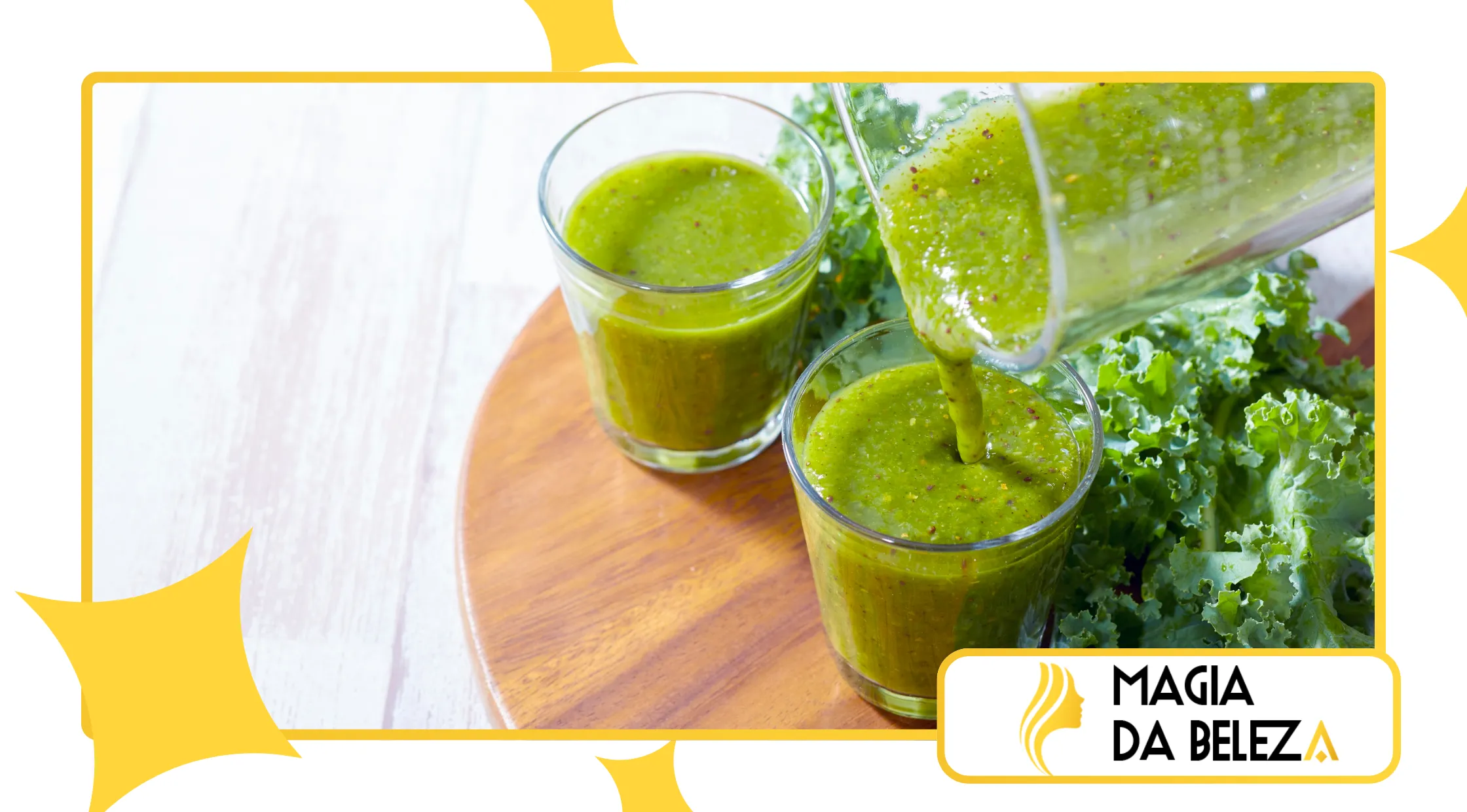
Start, for example, by preparing a green juice in the morning with kale, lemon and gingerIt's an energy and antioxidant boost to start the day.
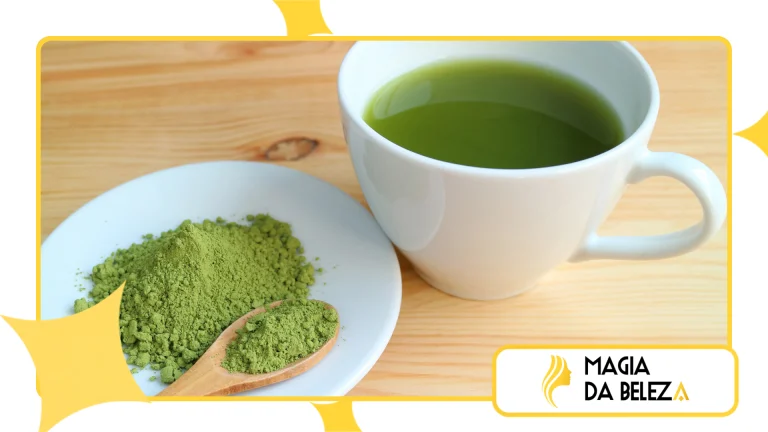
Another original example: Swap your afternoon coffee for a cup of green tea with orange slicesGreen tea is thermogenic, and orange adds vitamin C and bioflavonoids.
Functional nutrition for well-being.
The table below illustrates some functional foods and their main compounds and benefits:
Functional Food
Main Bioactive Component
Associated Health Benefit
Oat
beta-glucans
Lowering LDL cholesterol
Soy and Soy Derivatives
Isoflavones
Hormonal modulation, bone health
Garlic
Alicina
Antimicrobial and cardiovascular action
Tomato
Lycopene
Cancer prevention (prostate, breast)
The Transformative Power of Daily Choice
Adopt the Functional nutrition for well-being. It is an act of profound and daily self-care.
This choice impacts not only the physical body, but also your... energy level and yours cognitive ability.
Remember: there is no magic "superfood," but rather a synergistic set of good habits.
Balance and variety are the true secrets to reaping the rewards of functionality.
Taking care of your nutrition is the most worthwhile investment you can make in yourself.
Statistics show that a diet rich in vegetables and whole grains reduces all-cause mortality by up to 20%according to Global Burden of Disease Study.
Why not start treating your body with the reverence it deserves today? The future of your health is literally on your plate.
Frequently Asked Questions
Does Functional Nutrition replace medical treatment?
No, not at all. Functional nutrition is a complementary approach and preventative. It should always go hand in hand with medical and nutritional monitoring.
Do you need to consume supplements to have a functional diet?
The priority should always be food intake. in its natural state and minimally processed.
Supplements should only be used under medical supervision. professional guidance, to correct specific deficiencies that diet alone cannot address.
Can everyone benefit from this dietary approach?
Yes, in principle, almost everyone can benefit.
However, in cases of allergies, intolerances, or serious chronic conditions, a functional diet should be considered. individualized and planned by a nutritionist.
I write for Blog magic of beauty, covering apps, technology and digital entertainment. My goal is to share clear information, practical tips and news to help you get the most out of the mobile world.