
In 2026, fashion abandons microtrends. and rediscover the value of something that seemed almost forgotten: clothes that remain relevant for years, not just for a few weeks of digital virality.
Advertisements
This change didn't happen suddenly. It matured slowly, as consumers began to perceive a certain aesthetic fatigue in trends that are born and disappear within the same season.
Something curious happens when the speed of fashion surpasses the rhythm of everyday life. People begin to seek stability—including in what they wear.
In this article you will understand why fashion is slowing down, which classic pieces have returned to the center of the wardrobe, and how this change redefines clothing consumption in 2026.
Summary
- Why fashion has started to abandon microtrends
- What truly defines a classic piece today?
- Which clothes have returned to dominate wardrobes?
- How to assemble a durable and versatile wardrobe.
- Frequently asked questions about new consumer behavior.
Why is fashion abandoning microtrends in 2026?
Over the last decade, social media has dramatically accelerated the fashion cycle. An aesthetic would emerge in short videos, go viral in a few weeks, and soon be replaced by another.
These so-called microtrends have transformed the wardrobe into something almost disposable. The problem is that, after a while, this pace began to seem artificial.
Many people realized they were buying clothes impulsively and only wearing each item a few times. The feeling was strange: closets full, but few truly favorite items.
This phenomenon has generated what consumer analysts call "trend fatigue." When everything is constantly changing, nothing seems truly new.
At the same time, environmental issues began to weigh on purchasing decisions. The fashion industry is among the largest consumers of natural resources, and this discussion has gained public attention.
An analysis on conscious consumption published by the portal of Brazil Agency This shows that interest in sustainable fashion is continuously growing among Brazilian consumers.
Within this context, In 2026, fashion abandons microtrends. and it returns to an older logic — that of building style with pieces that stand the test of time.
What defines a classic piece in today's fashion?
Classic pieces are not simply old clothes. That's a common misconception.
In fact, a classic emerges when form, function, and simplicity find a balance that is difficult to replicate. It's the kind of piece that works today in the same way it did decades ago.
The secret lies in the structure.
Clean lines, balanced proportions, and durable fabrics often transcend generations without looking dated. There is no excessive ornamentation or dependence on specific trends.
Another important point is adaptability. A classic piece combines well with different styles and social contexts.
The white shirt is a clear example. It can appear in formal settings, in minimalist combinations, or even in more contemporary looks.
When we analyze this phenomenon carefully, we notice something interesting: fashion doesn't always advance in a straight line. Sometimes it returns to solutions that have already proven their effectiveness.
That's why In 2026, fashion abandons microtrends. and revisits pieces that carry decades of quiet refinement.
Which classic pieces have returned to dominate wardrobes?
Some clothing items never truly disappeared. They were merely temporarily overshadowed by the avalanche of fast-paced trends.
Now they return to the center stage — discreetly, without fanfare.
Key examples include:
- Traditional trench coat
- Straight-cut jeans
- Structured tailored blazer
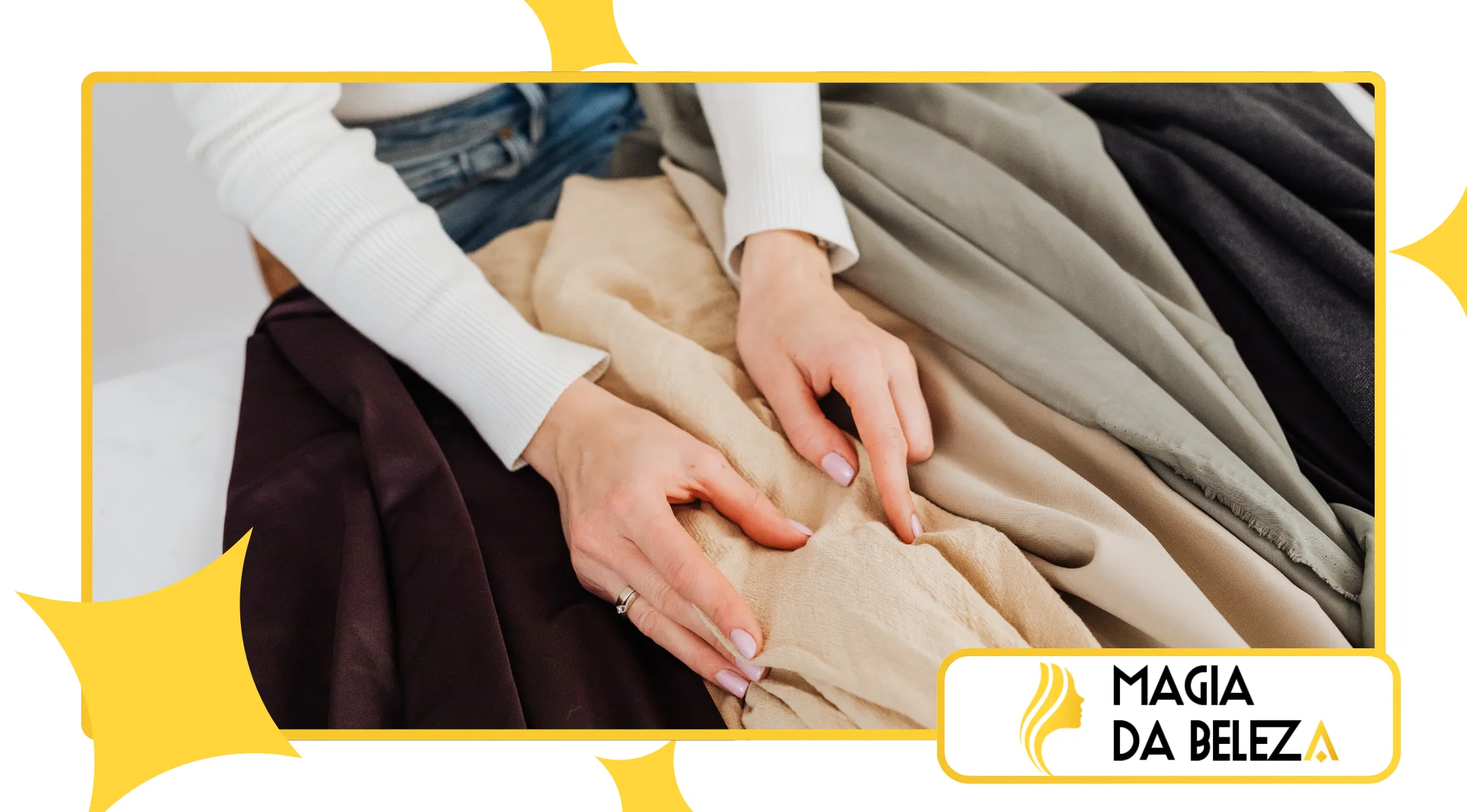
- White cotton shirt
- Minimalist midi dress
- Classic moccasin
The strength of these pieces lies precisely in their simplicity. They serve as the foundation of a wardrobe, allowing for variations without losing their identity.
The trench coat, for example, emerged in the early 20th century as a waterproof military garment. More than a hundred years later, it remains a symbol of functional elegance.
The enduring appeal of these items is no accident. When a piece effectively solves a problem—comfort, mobility, or elegance—it rarely disappears.
++ The 'tacky' print that got its revenge and became the darling of summer 2026.
This movement reinforces that In 2026, fashion abandons microtrends. to recover elements that have already proven their aesthetic usefulness.
What are the main fashion classics and their origin?
The history of clothing shows that some garments withstand the test of time with surprising ease.
Read more: Decision fatigue: how too many choices are draining your mental health.
Here are some important examples.
| Classic piece | Approximate origin | Main feature |
|---|---|---|
| Trench coat | Early 20th century | A functional and stylish coat. |
| Blue jeans | 1870s | Durability and versatility |
| Blazer | 19th century | Adaptable formal structure |
| White shirt | 19th century | Universal neutral base |
| Moccasin | 1930s | Comfort with sophistication |
This kind of longevity doesn't happen by chance. In many cases, these pieces have been slowly refined over decades.
They embody something rare in contemporary fashion: design maturity.
How to build a durable wardrobe in 2026?
The idea of a durable wardrobe has regained traction precisely because it offers stability amidst the excess of trends.
Many consumers have begun to adopt the concept of a compact wardrobe, based on a few well-chosen pieces.
The principle is simple.
First, build a solid foundation with classic clothing. Then, add small variations that bring personality.
Neutral colors help in this process. Black, navy blue, beige, and white make combinations easier and expand the number of possible looks.
Another essential point is to consider the fabric. Natural materials tend to age better and offer greater comfort over time.
The educational portal of Senac Brazil It brings together content about textile quality and conscious consumption in fashion.
When these choices become a habit, the wardrobe ceases to be a collection of impulsive purchases and begins to reflect personal style.

Why are consumers prioritizing personal style?
There's something almost liberating about this movement. For years, algorithms and influencers dictated global aesthetic standards. Suddenly, millions of people were wearing exactly the same trends.
This pattern started to get tiresome. Today, there's a growing appreciation for individual styles, mixing vintage pieces, classic clothing, and contemporary elements.
Thrift stores and secondhand markets directly benefit from this change. Well-made items find new owners and gain a second life.
Interestingly, this brings fashion closer to its original meaning: cultural expression. It's not just about following trends, but about building identity.
++ Men's skincare: a simple routine for beginners
In this scenario, In 2026, fashion abandons microtrends. Because consumers started looking for something more lasting than viral cycles.
Conclusion
Fashion has always reflected the spirit of its time. For years, that spirit has been marked by speed.
Now an opposing movement is emerging — calmer, more selective, almost contemplative.
Classic pieces are making a comeback because they offer something that fleeting trends rarely deliver: continuity.
When a garment endures for decades without losing its relevance, it ceases to be just a product. It becomes part of the culture.
And perhaps that's exactly what explains why... In 2026, fashion abandons microtrends. and rediscover the silent power of the classic.
To keep up with news and analysis about behavior and consumption in Brazil, it's worth checking out the portal of... Brazil Agency.
Frequently Asked Questions
What are microtrends?
Microtrends are styles that emerge quickly on social media, become popular for a short period, and disappear a few months later.
Do classic pieces really never go out of style?
They may undergo minor adaptations over time, but they tend to remain relevant thanks to the simplicity of their design.
What is a compact wardrobe?
It's a small set of versatile clothes that allow for multiple combinations, reducing impulse purchases.
Will microtrends disappear?
No. They will continue to exist, but they tend to have less influence on overall fashion consumption.
How do you identify a timeless piece?
Pay attention to the quality of the fabric, the simplicity of the design, and how easy it is to combine the piece with different styles.