

You skin care during winter require more attention than in any other season. Low temperatures, cold winds and hotter baths directly affect the skin barrier, reducing its natural hydration and defense capacity.
Advertisements
In this scenario, adapting your skincare routine is no longer a detail and becomes a necessity to keep your skin healthy, supple and protected.
Understanding what changes, why it changes, and how to react makes all the difference. Keep reading to find out how to turn winter into an ally for your beauty.
Why does the skin suffer more in winter?
During winter, the skin loses water more easily. Dry air, wind and artificial heating in environments create an unfavorable climate for the skin barrier, which ends up becoming thinner and more vulnerable.
This loss of natural moisture can cause flaking, itching, sensitivity and even worsening of conditions such as rosacea, dermatitis or psoriasis.
Cold weather slows down the skin's metabolism, reducing cell turnover and making pores more prone to accumulating impurities. This explains why even those with oily skin can experience tightness or redness on their face.
Hydration needs to be more intense
The most essential step in winter skincare is hydration.
However, it is not enough to simply apply the same product as always. The skin needs richer formulas, with active ingredients that reinforce the skin barrier. Ingredients such as hyaluronic acid, panthenol, ceramides and squalane help to retain moisture for longer, combating deep dryness.
Furthermore, it is worth betting on denser and more nourishing textures, especially at night, when the skin has more time to recover.
Good hydration reduces sensitivity, prevents cracks and improves skin's radiance even on the coldest days.
What changes in skin cleansing
In winter, it is best to use gentler cleansers that do not compromise the skin's natural hydration. Gel products with an astringent effect can be replaced with creamy or oily versions.
The water temperature also needs to be adjusted: avoid using hot water on your face, as this removes the skin's protective oils, worsening dryness.
Cleaning should continue to be done twice a day, but with special care not to cause damage.
Choosing a soap with a physiological pH is one of the simplest and most effective decisions for keeping your skin balanced.
Read our full content about: Skin Cleansing: Benefits and How to Do It at Home
The role of sunscreen remains fundamental
Even without the strong summer sun, the skin care during winter do not dispense with the daily use of sunscreen. Ultraviolet radiation is still present, even on cloudy or cold days.
Furthermore, UVA rays, which penetrate deep into the skin and cause premature aging, are not blocked by clouds. Therefore, maintaining photoprotection is a gesture of consistency and prevention.
Use a protector with FPS 30 or more is enough for most people, as long as it is reapplied throughout the day. Moisturizing formulas with sun protection are great allies in the cold.
When to include face masks in your routine
Face masks become an excellent strategy to complement winter care.
Masks with nourishing active ingredients help to soothe the skin, restore its protective barrier and restore its natural glow. Ingredients such as honey, oats, white clay and plant extracts act gently but with visible results.
Applying a moisturizing mask twice a week can be enough to keep your skin healthy even during the coldest periods.
Avoid using purifying masks or intense exfoliants too often, as they can further sensitize your skin during this season.
Face, body and lips: areas that require extra attention
The face is not the only area affected by winter. Lips tend to crack easily, as they have very thin skin and no sebaceous glands.
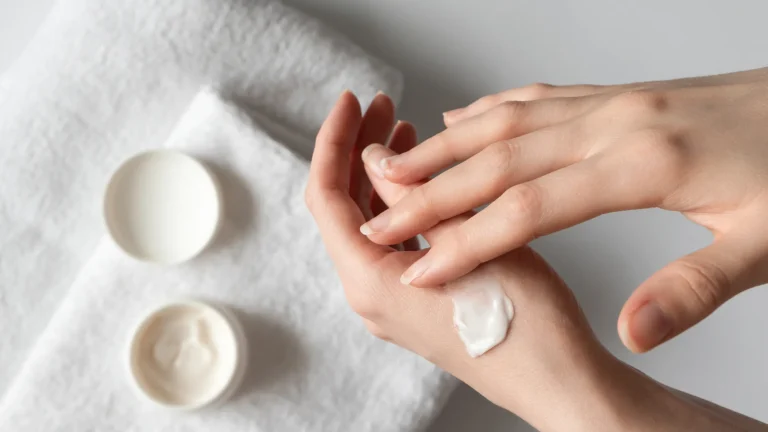
Moisturizing with lip balm should be done regularly. On the body, areas such as knees, elbows and hands suffer from dryness. Thicker body lotions or bath oils help prevent cracks and roughness.
A simple tip is to apply moisturizer while your skin is still damp, right after showering, to seal in moisture. This practice enhances the effectiveness of the product and prolongs comfort throughout the day.
What to avoid to avoid worsening the effects of the cold
Some common winter habits can further harm your skin's health. Taking long, hot showers is one of the biggest mistakes. They remove the protective layer of your skin, leaving it exposed and vulnerable.
Another practice to avoid is the excessive use of exfoliants, which can harm skin that is already sensitive to the cold. Also, avoid skipping water intake: hydration starts from the inside out.
Keeping your fluid intake is essential, even if your thirst decreases on cold days. Finally, sleeping with the heater on without humidifying the room contributes to dry skin.
Winter can be a time of skin renewal
Contrary to what many people think, winter is an excellent time to treat your skin.
This is the ideal time to start dermatological protocols such as peels, lasers and lightening treatments, which require less sun exposure. In addition, the more introspective rhythm of the season invites self-care.
Taking advantage of the cold weather to create a more conscious skincare routine can bring benefits that go beyond beauty.
Taking care of your skin in winter is not just a matter of aesthetics — it is a way to maintain well-being, preserve skin health and strengthen self-esteem.
Conclusion: Winter demands attention — and your skin will thank you
Incorporate skin care during winter It's more than a seasonal adaptation: it's a commitment to the well-being and health of your skin.
Simple changes, like using thicker moisturizers, cleansing your face with gentle products, and keeping up with your sunscreen, make all the difference.
By adjusting your routine to the needs of the season, you avoid the typical damage caused by cold weather and ensure more beautiful, protected and balanced skin.
And when winter is over, your skin will continue to reflect the care it received. That’s the true beauty of choosing to take care of yourself — all year long.
Frequently Asked Questions About Winter Skin Care
Why does my skin dry out more in the cold?
Because dry air and wind reduce the skin's moisture, damaging its natural barrier.
Do I need to change my moisturizer in winter?
Yes, denser formulas with active ingredients like ceramides are better at this time.
Is it necessary to use sunscreen even when there is no sun?
Yes, UVA rays are still active and cause premature aging.
Are hot baths bad for your skin?
Yes, they remove the skin's natural protection and worsen dryness.
What type of soap is recommended for winter?
Creamy soaps or those with a physiological pH are the most recommended.