
Whey protein or plant-based proteinWhich one makes sense in your routine to maximize your results, improve physical recovery, and ensure a balanced diet every day?
Advertisements
Choosing the ideal protein supplement doesn't depend on fads, but rather on your individual goals, digestive tolerance, dietary restrictions, and lifestyle.
In this comprehensive guide, you will understand in detail the nutritional differences, absorption rate, digestibility, and how to select the most efficient option for your health.
Summary:
- The importance of protein in daily life.
- What is Whey Protein and its three variations?
- How does plant-based protein powder work?
- Amino acid profile: Leucine and Biological Value
- Digestibility and gut health
- Sustainability and environmental impact analysis
- Culinary versatility and flavor in recipes
- Complete comparison table
- How to choose the ideal supplement for your goal.
- Conclusion
- Frequently Asked Questions (FAQ)
The importance of protein in daily life.
Proteins play vital structural and functional roles in our bodies.
They are formed by chains of amino acids that act in the construction and repair of tissues, in the production of enzymes and hormones, and in the maintenance of the immune system.
While it is perfectly possible to meet daily protein intake goals through solid foods—consuming eggs, meat, legumes, and grains—the busy daily routine does not always allow for the proper preparation of complete meals.
It is in this context that powdered supplements become practical and efficient tools.
The decision between whey protein or plant-based protein This arises when an individual seeks practicality to achieve their goals without compromising digestion or adherence to a diet.
Both sources can deliver excellent results, but they have intrinsic characteristics that should be carefully analyzed before purchase.
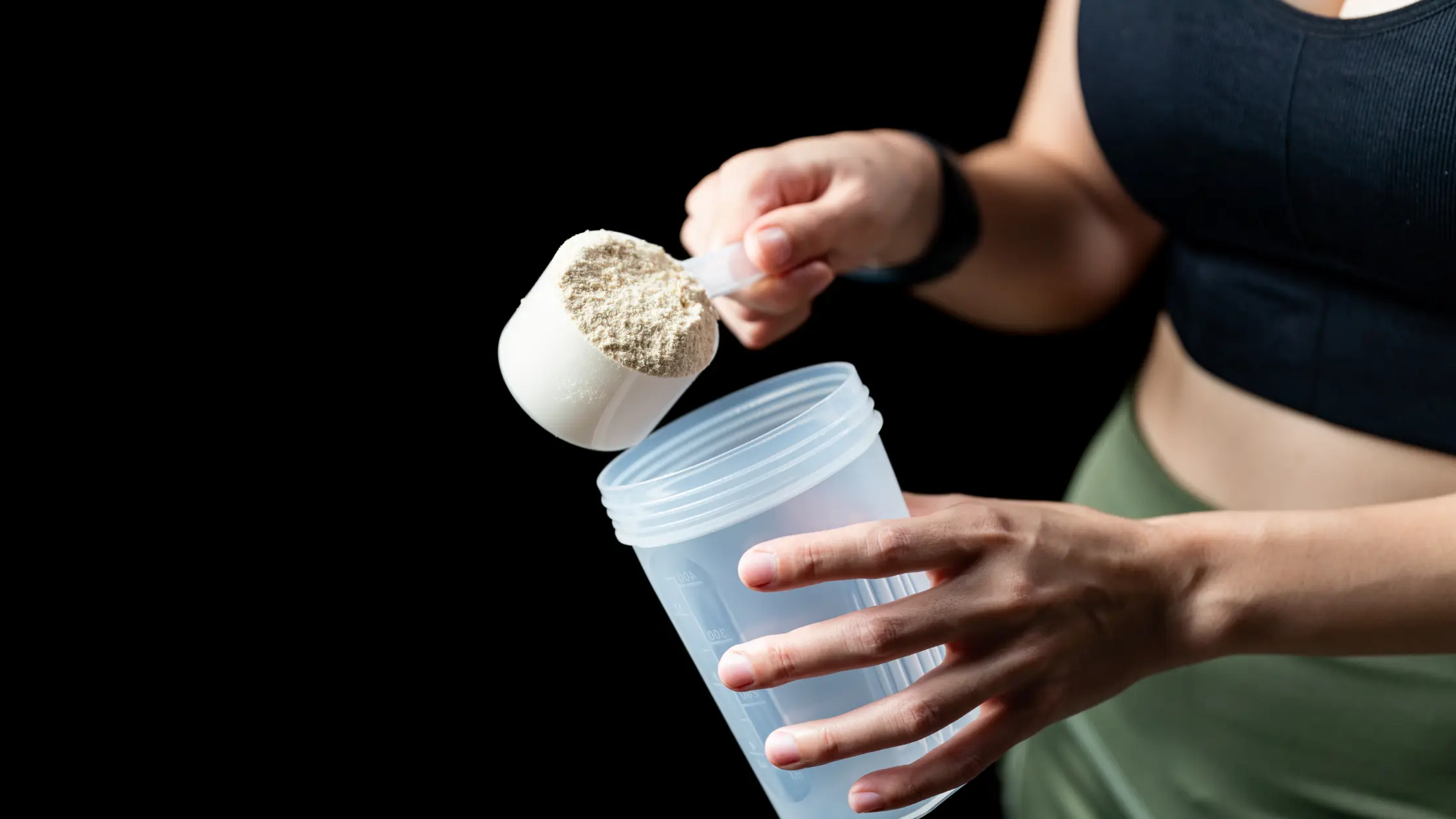
What is Whey Protein and its three variations?
Whey protein is the protein extracted from milk whey, a byproduct generated during the cheese-making process.
Once discarded by the dairy industry, this liquid has proven to be one of the most biologically valuable protein sources known to nutritional science.
++ A practical balanced meal plan for busy days.
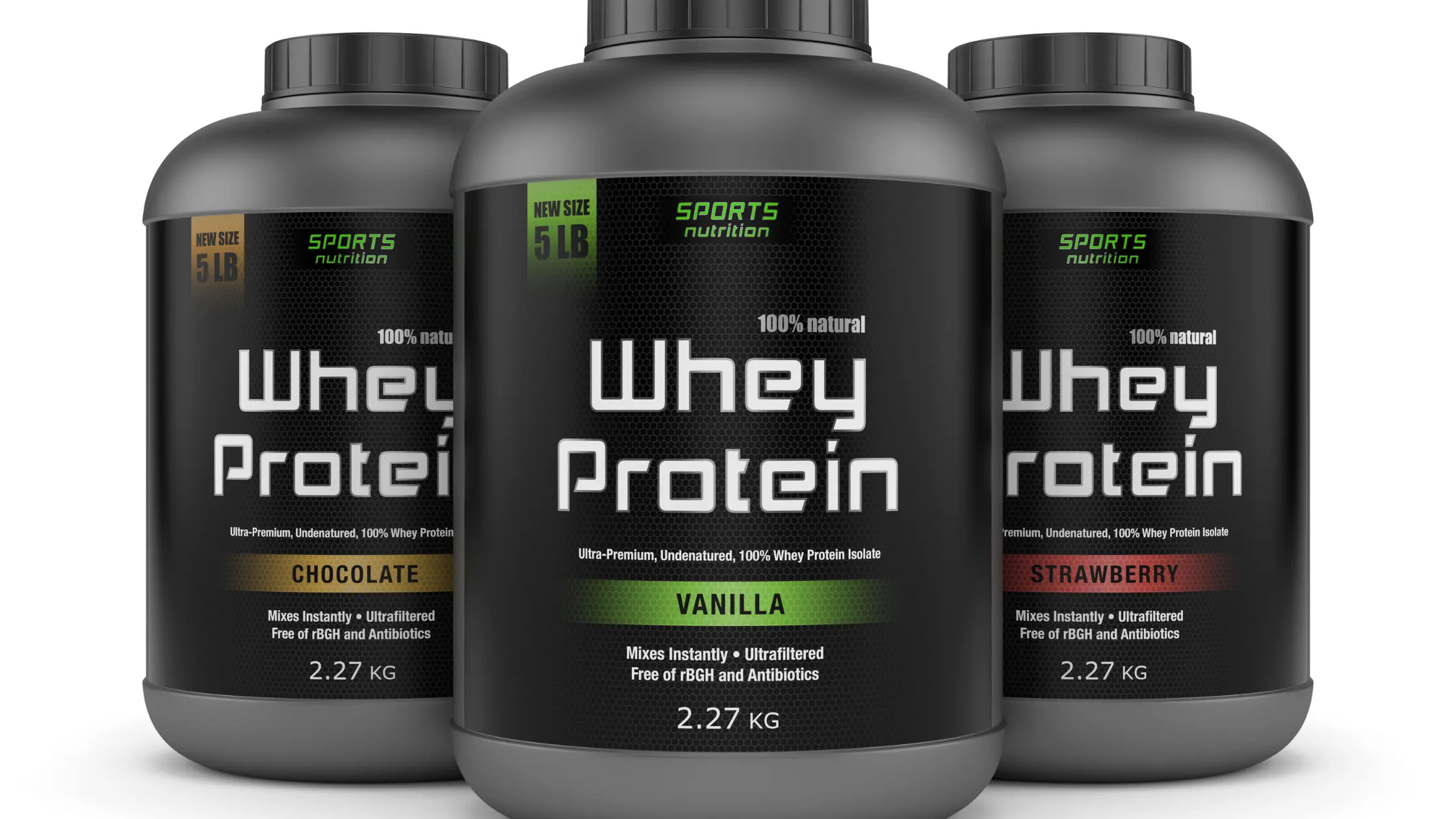
The whey filtration process determines the purity and absorption rate of the final product. Currently, there are three main types on the market:
1. Whey Protein Concentrate (WPC)
The concentrated version undergoes a simpler filtration process, maintaining between 70% and 80% of protein in its composition.
The remainder of the product consists of carbohydrates (lactose) and milk fats. This is the least expensive option and usually has a creamier texture and a pleasant taste.
Find out more: Benefits of matcha: a natural antioxidant for mental energy.
It is suitable for people who do not have lactose intolerance or milk sensitivity.
2. Whey Protein Isolate (WPI)
Whey isolate undergoes advanced microfiltration and ion exchange processes, resulting in a protein concentration equal to or greater than 90%.
This process removes virtually all fat and lactose. For this reason, it is an excellent option for those seeking strict calorie control or who have mild to moderate lactose intolerance.
3. Hydrolyzed Whey Protein (WPH)
In the hydrolyzed version, long protein chains undergo an enzymatic process that breaks them down into smaller fragments called peptides.
This "pre-digestion" makes absorption even faster and drastically reduces the allergenic potential.
++ How to care for gray hair in women without yellowing.
It is the most recommended choice for high-performance athletes who require ultra-fast recovery or for individuals with severe limitations in digestive capacity.
How does plant-based protein powder work?
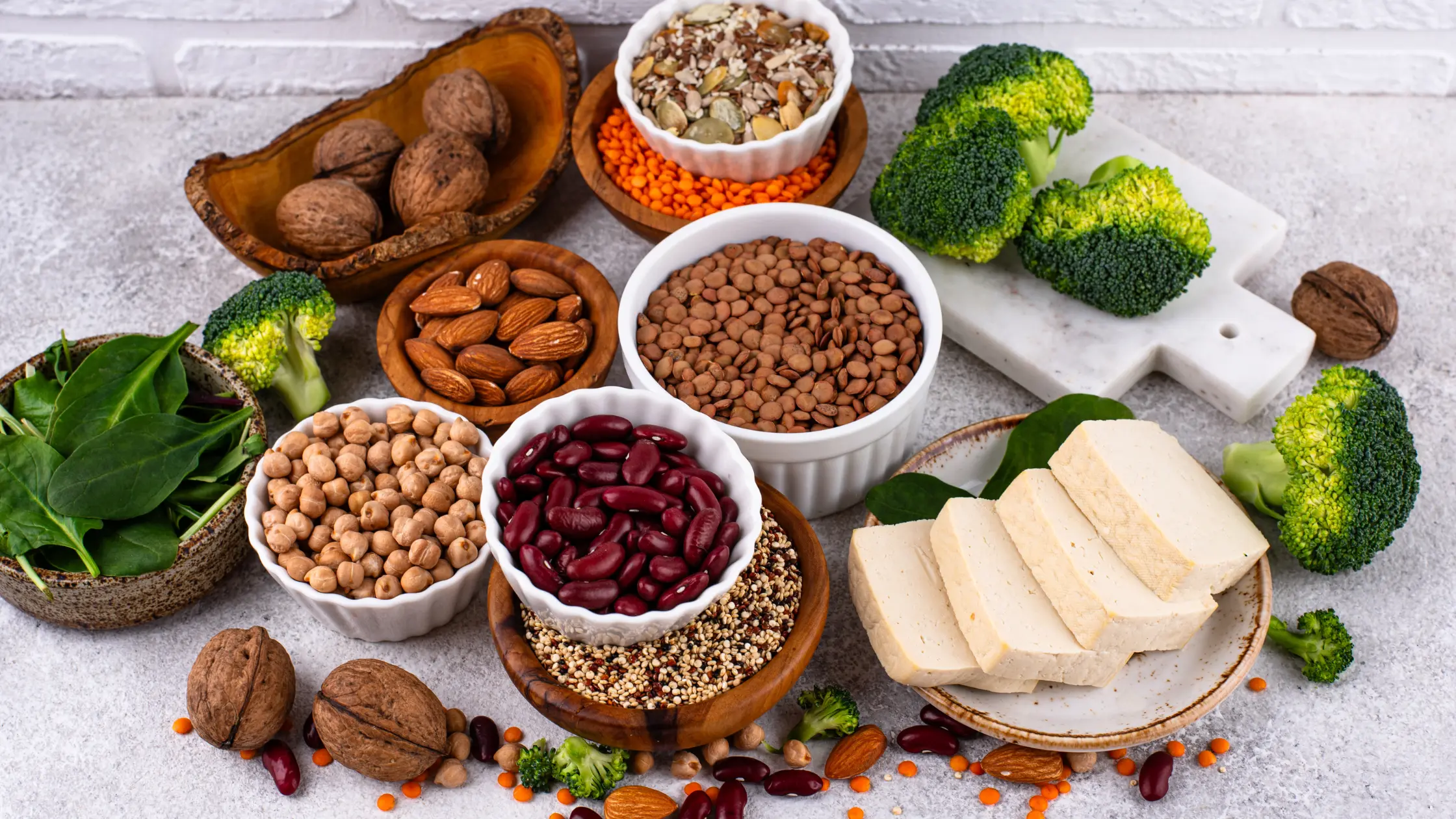
Plant-based protein powder is obtained by extracting nutrients from botanical sources such as peas, brown rice, soy, sunflower seeds, pumpkin, and hemp.
Historically viewed with suspicion due to its slightly sandy texture, the category has evolved significantly in recent years thanks to micronization technologies and formulations in blend (mixtures).
When evaluating whey protein or plant-based protein, It is crucial to understand that plant-based options are not just for vegans.
They represent a high-quality alternative for anyone seeking to diversify their nutritional intake or avoid the gastrointestinal discomfort associated with dairy products.
Most common sources of plant-based protein:
- Pea Protein: Rich in branched-chain amino acids (BCAAs) and highly digestible. It has a relatively neutral taste and good solubility.
- Rice Protein: It has an excellent profile of sulfur-containing amino acids (such as methionine and cysteine), perfectly complementing pea protein.
- Soy Protein: One of the few isolated plant sources that contains all essential amino acids in the right proportions. It has high solubility and is affordable.
- Vegetable Blends: Combining two or more plant-based sources (such as peas and rice) is the most efficient way to ensure a complete and balanced amino acid profile, comparable to animal-based sources.
Amino acid profile: Leucine and Biological Value
To understand the real difference between whey protein or plant-based protein, It is necessary to analyze the profile of essential amino acids — those that the human body cannot synthesize on its own and needs to obtain through food.
Leucine is the most critical amino acid when it comes to stimulating muscle protein synthesis (the mTOR pathway).
Whey protein is naturally very rich in leucine, achieving the "leucine trigger" necessary to activate muscle recovery with a smaller dose of product (usually between 25g and 30g of powder).
Isolated plant proteins, on the other hand, may have a lower concentration of leucine per serving.
However, modern industries circumvent this issue by creating combinations of plant-based sources or enriching existing formulas.
By consuming a slightly higher dose of plant-based protein (around 30g to 35g), you get exactly the same stimulus for gaining and maintaining muscle mass.
Digestibility and gut health
The speed at which a supplement is digested and absorbed by the body varies considerably depending on its origin. This factor can be decisive in your daily choice.
Whey protein is digested quickly to moderately. However, even in people without a diagnosed intolerance, continuous consumption of dairy products can cause gas, abdominal bloating, or changes in bowel movements.
This occurs due to sensitivity to whey proteins or traces of lactose.
On the other hand, plant-based protein supplements tend to be extremely well tolerated by the gastrointestinal tract.
In addition to being naturally lactose- and cholesterol-free, many retain small amounts of dietary fiber.
These fibers help the gut microbiota function properly and promote a prolonged feeling of fullness, which is highly beneficial for those who are trying to lose weight.
To view scientific guidelines and international recommendations on protein intake and sports nutrition, consult the reference material from [source name/source]. International Society of Sports Nutrition (ISSN).
Sustainability and environmental impact analysis
An increasingly relevant aspect in the purchase decision between whey protein or plant-based protein It is the ecological footprint involved in the production of each supplement.
Whey protein production is directly dependent on dairy farming, an activity that requires large areas of land, high water consumption, and generates significant greenhouse gas emissions.
In contrast, growing vegetables like peas, rice, and soybeans consumes considerably less water and land per kilogram of protein produced.
For consumers who prioritize sustainable choices and seek to reduce the environmental impact of their diet, plant-based protein stands out as an alternative aligned with these values.
Culinary versatility and flavor in recipes
The sensory experience and ease of daily use directly influence how consistently you consume the supplement.
- In a shaker (with water or milk): Whey protein has the advantage of dissolving quickly and having a creamy texture. Plant-based protein, although it has evolved significantly, can still have a slightly denser or earthier texture depending on the brand.
- In Culinary Recipes: When subjected to heat (such as in the preparation of cakes, pancakes, or porridge), whey protein can dry out the dough if exposed to high temperatures for too long. Vegetable protein, on the other hand, tends to retain more moisture, working exceptionally well in the structuring of functional doughs, breads, soups, and creams.
Complete comparison table
The table below summarizes the main technical and practical points to help you decide which option best suits your daily needs.
| Criterion | Whey Protein | Vegetable Protein (Blend) |
| Main Origin | Bovine whey | Peas, rice, soybeans or sunflower |
| Leucine content per dose | High (~2.5g to 3g per serving) | Moderate to high (~1.8g to 2.5g) |
| Presence of Lactose | Yes (lower in isolate/hydrolyzed form) | Totally exempt (0%) |
| Intestinal Absorption | Quick (ideal for post-workout) | Gradual (sustained release) |
| Satiety | Moderate | High (contains fiber) |
| Gastrointestinal Impact | It can cause gas in sensitive individuals. | Excellent overall tolerance |
| Ecological Footprint | Increased use of resources (livestock farming) | Lower environmental impact |
| Texture and Dissolution | Fluid and creamy | Denser or slightly earthy |
The ultimate choice between whey protein or plant-based protein Your choice shouldn't be based on which supplement is "best" in an absolute sense, but rather on which one best suits your current needs.
How to choose the ideal supplement for your goal.
Choose Whey Protein if you:
- She does not have lactose intolerance, milk allergy, or digestive discomfort.
- It prioritizes rapid dissolution in water and a sweeter or more traditional palatability.
- It seeks the highest concentration of amino acids with the smallest volume of powder per dose.
- Looking for a convenient option to consume immediately after intense workouts?.
Choose plant-based protein if you:
- Are you vegan, vegetarian, or looking to reduce animal products in your diet?.
- Do you experience bloating, gas, or discomfort after consuming dairy products?.
- It aims to increase satiety throughout the day to help with weight control.
- Values sustainability and prefers products with a lower environmental impact.
- Do you want to prepare functional recipes such as pancakes, cakes, and protein-rich creams?.
Regardless of your choice, be sure to purchase products from established brands that have laboratory reports proving the actual amount of protein per serving and the absence of unwanted substances.
Frequently Asked Questions
1. Does plant-based protein guarantee the same muscle-building results as whey protein?
Yes. Current scientific literature confirms that, when the total daily amount of protein is adjusted to the individual's needs, the gains in muscle mass (hypertrophy) and strength are identical between whey protein and good quality plant-based proteins.
2. Can I mix them? whey protein or plant-based protein with other foods?
Absolutely. Both versions can be blended with fruit, mixed into yogurt, oatmeal, nut butters, or used as a protein ingredient in baked and cooked recipes.
3. What is the best time of day to take a protein supplement?
There is no single mandatory time. Protein can be consumed post-workout to aid recovery, between main meals as a convenient snack, or even before bed.
The deciding factor for your health and muscle growth is hitting your total daily protein goal.
4. Can pregnant and breastfeeding women take these supplements?
In general, both supplements are safe. However, it is essential to undergo a medical or nutritional evaluation before starting use to ensure that the chosen formula does not contain sweeteners, colorings, or additives not recommended for the gestational phase.
Conclusion
The definition between whey protein or plant-based protein You should take into account your personal preferences, your budget, the health of your digestive system, and your ethical or environmental values.
Both alternatives are highly effective in supplementing nutrition, supporting muscle regeneration, and promoting overall health.
The most important thing is to maintain a varied diet, rich in whole foods, and tailored by a nutritionist.
To learn more about the importance of mindful consumption and creating balanced meals, access the official recommendations of [website/organization name]. Dietary Guidelines for the Brazilian Population.
++ Whey, plant-based protein, or collagen: what's the difference, and when does each one make sense?
++ What is the difference between whey protein and plant-based protein?