Take care of Women's health after 30 It requires practical adjustments to keep up with the slower pace of metabolism and the natural hormonal fluctuations of this decade.
Advertisements
How can you balance work, personal life, and prevention without overloading your daily routine?
This guide presents essential habits for nutrition, exercise, sleep, and medical follow-up to maintain your vitality.
- What changes in a woman's body starting at age 30?
- Strategic nutrition and mindful supplementation
- Physical exercise goes beyond aesthetics.
- Sleep quality and stress management
- Preventive exams and medical follow-up
- Comparative analysis of habits: from 20 to 30 years old
- Frequently Asked Questions
- Conclusion
What changes in a woman's body starting at age 30?
The transition into one's 30s marks the beginning of subtle but cumulative physiological changes that impact mood and body composition.
The body begins a gradual decline in basal metabolic rate, making the accumulation of abdominal fat more frequent even without changes in diet.
In addition, there is a progressive reduction in muscle mass, a process known as mild sarcopenia, and a natural decrease in collagen production.
Ovarian reserve also steadily declines, which can alter the pattern of the menstrual cycle and intensify symptoms of premenstrual tension.
Prioritize Women's health after 30 It means recognizing these signs early instead of waiting for serious discomfort.
Small adjustments to your routine protect the cardiovascular system, preserve bone density, and stabilize mood over the years.
Strategic nutrition and mindful supplementation
At this stage, restrictive diets lose effectiveness and disrupt hormonal balance, making nutritional density the true priority on the plate.
++ Creatine gummies: what to check on the label before buying
The body then requires a greater supply of specific micronutrients to sustain energy production and tissue integrity.

Prioritize protein and fiber in every meal.
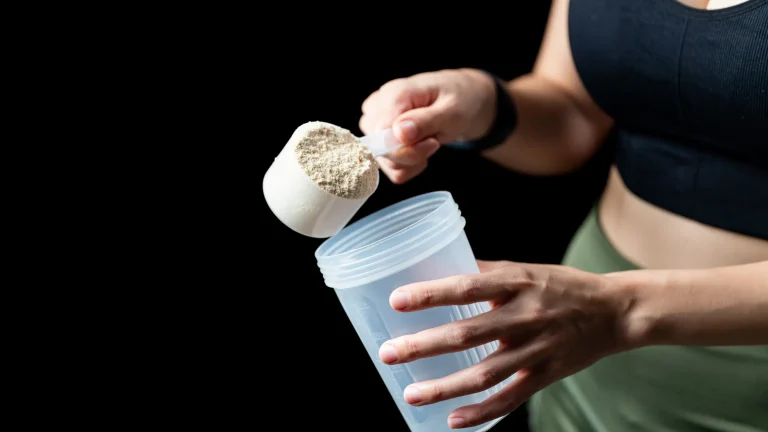
Adequate intake of lean protein stimulates muscle synthesis and prolongs satiety, combating the metabolic slowdown typical of age.
Including protein sources in breakfast, lunch, and dinner prevents insulin spikes and reduces cravings for sweets in the late afternoon.
Soluble and insoluble fibers regulate intestinal transit and nourish the gut microbiota, a factor directly linked to immunity and the synthesis of neurotransmitters.
Find out more: Sleep Hygiene: The Practical Guide to Restful Nights of Sleep
A variety of vegetables, seeds, oats, and legumes provide this daily support in an accessible way.
Pay attention to essential micronutrients.
Iron, vitamin D, and B vitamin deficiencies are common in adult women due to menstrual flow and low sun exposure.
Calcium and magnesium also play a key role in preventing bone loss, which accelerates after the fourth decade of life.
Avoid starting any supplementation program on your own or based solely on social media trends.
Excess fat-soluble vitamins overload the liver, so dosage should always be determined based on individual laboratory tests.
Physical exercise goes beyond aesthetics.
If at age 20 the focus of training used to be immediate calorie expenditure, the Women's health after 30 It requires a long-term vision.
Regular movement acts as a powerful endocrine regulator, improving insulin sensitivity and reducing silent inflammatory processes.
The undeniable importance of strength training.
Weight training, Pilates, or functional training with added weight stimulate bone tissue to retain minerals and slow down the loss of lean muscle mass.
Keeping muscles active protects joints from injury and keeps the metabolism running efficiently even at rest.
Set aside at least three days a week for resistance training, progressively increasing the load as your fitness improves.
See how interesting: How to style women's white pants without fear of making a mistake.
Consistency in this practice ensures functional autonomy and healthy posture for decades to come.
Cardio for cardiovascular protection
Aerobic activities such as running, swimming, cycling, or brisk walking strengthen the heart muscle and optimize blood circulation.
The World Health Organization recommends between 150 and 300 minutes of moderate-intensity physical activity per week for adults, which reduces the risk of hypertension.
Alternating strength training sessions with cardiovascular exercises creates a complete and balanced program.
This combination improves respiratory capacity and releases endorphins that relieve mental fatigue accumulated at work.
Sleep quality and stress management
The accumulation of professional and family responsibilities increases the chronic production of cortisol, the stress hormone.
Consistently high cortisol levels disrupt the circadian rhythm, promote fluid retention, and impair fertility and libido.

Sleep hygiene in practice
Sleeping between seven and nine hours a night allows the body to perform cellular repairs and consolidate memory.
Establish a fixed bedtime and wake-up time, even on weekends, to stabilize your biological clock.
Reduce exposure to bright screens at least sixty minutes before bedtime, as blue light inhibits the release of melatonin.
Keeping the room dark, quiet, and at a comfortable temperature makes it easier to reach the deeper stages of sleep.
Active breaks for mental health
Incorporating simple diaphragmatic breathing techniques or guided meditation for ten minutes a day reduces heart rate and calms the nervous system.
Setting aside time for free time from digital obligations helps prevent physical and emotional burnout.
Preventive exams and medical follow-up
Preventive medicine represents the safest pillar for taking care of Women's health after 30 with composure and precision.
Many gynecological, metabolic, and thyroid conditions develop silently before manifesting obvious symptoms.
Gynecological check-up and screening
Annual visits to the gynecologist allow for monitoring of reproductive health and updating of essential tests for early diagnosis.
According to the guidelines of Ministry of Health on the prevention of cervical cancer., Preventive checkups should be performed periodically as directed by a healthcare professional.
In addition to the Pap smear, the doctor may order a transvaginal ultrasound and clinical breast exams to evaluate benign changes or nodules.
If you plan to become pregnant in the future, it's worth discussing an assessment of your ovarian reserve at this stage.
Metabolic and hormonal assessment
A complete blood count, along with fasting blood glucose, lipid profile, and thyroid hormone tests, provides a clear overview of your metabolism.
The thyroid gland regulates vital functions, and dysfunctions such as hypothyroidism affect many women in this age group.
Regular blood pressure checks and monitoring liver and kidney function complete the basic screening routine.
Bring your family history to your appointments so the specialist can personalize the frequency of each test.

Comparative analysis of habits: from 20 to 30 years old
The table below summarizes how routine priorities evolve between these two decades, helping you visualize which adjustments bring the greatest return for current well-being.
| Pillar of Routine | Common Focus at 20 Years Old | Prioritizing Women's Health After 30 |
|---|---|---|
| Food | Focus on calorie restriction and quick aesthetic results. | Nutritional density, protein intake, and glycemic control. |
| Physical Exercises | Predominantly intense aerobic exercise. | A balance between weight training for bone mass and cardio. |
| Sleep and Rest | Quick recovery even after short nights. | Strict sleep hygiene for cortisol control. |
| Medical Prevention | One-off consultations or only when symptoms arise. | Complete annual check-up, thyroid exam, and preventative screening. |
| Hydration and Skin | Basic care and surface cleaning. | Daily sun protection, deep hydration, and collagen support. |
Frequently Asked Questions
1. Is it normal to feel more tired and have difficulty losing weight at age 30?
Yes, the natural reduction in basal metabolism and the gradual loss of muscle mass make energy expenditure slower at this stage.
However, extreme fatigue and sudden weight gain require medical investigation to rule out hypothyroidism, anemia, or nutritional deficiencies.
2. What routine exams should every woman over 30 have annually?
Basic screening includes a gynecological consultation with a preventive exam, blood count, blood glucose test, total cholesterol and fractions, as well as TSH measurement to evaluate the thyroid.
The need for imaging tests, such as ultrasounds, depends on the individual's medical history.
3. Do I need to take collagen supplements after age 30?
Consuming hydrolyzed collagen can help improve skin elasticity when combined with a diet rich in protein and vitamin C.
However, no supplement can replace the daily use of sunscreen, adequate hydration, and restful sleep.
4. How can we protect our mental health in the face of overload at this stage of life?
Establishing clear boundaries between work and rest time reduces the accumulation of chronic stress in daily life.
For institutional guidance on emotional care and well-being, please consult the educational materials from [organization name/source]. Pan American Health Organization on mental health.
Conclusion
Take care of Women's health after 30 It doesn't require radical transformations, but rather consistent choices aligned with the body's new demands.
Prioritizing protein, engaging in weight training, respecting sleep patterns, and keeping up with preventive checkups form the foundation for navigating this decade with energy and balance.
Start by choosing just one habit from this list to adjust this week, such as scheduling your annual check-up or including an extra serving of protein in your breakfast.
Building a healthy routine happens one step at a time.
++ Women's health: everything you need to know about the topic
++ Far beyond a check-up: how invisible care transforms women's health.