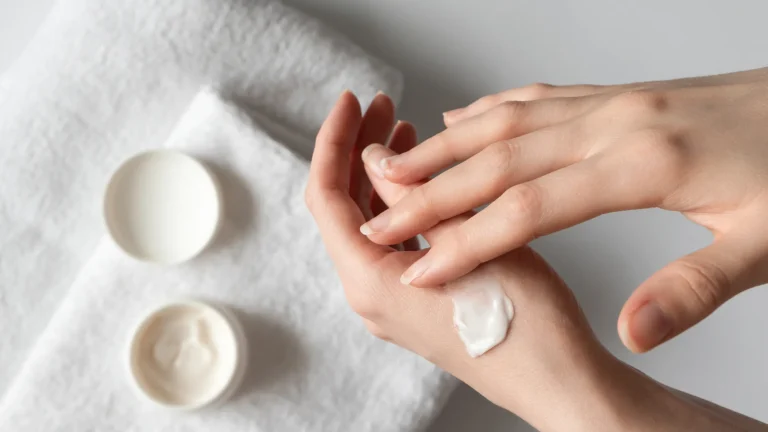

To Using skin flooding without worsening oilinessWe need to unlearn the idea that moisturizing the skin means slathering it in grease.
Advertisements
The secret of this technique, which many confuse with simply stacking products, lies in the physics of absorption: creating a real water reservoir instead of just a superficial greasy barrier.
In this guide, we deconstruct the method so that it works in favor of those who suffer from excessive shine, focusing on radiance and health instead of clogged pores.
Summary
- The concept of water flooding.
- The logic behind applying it to oily skin.
- Hierarchy of textures and absorption.
- Curated selection of non-comedogenic ingredients.
- Adjusting your routine: Day vs. Night.
- Visual guide to moisturizing ingredients.
- Final reflection and FAQ.
What is skin flooding and why is it often misinterpreted?
The term "flooding" suggests excess, but in current dermatological practice, it refers to intelligent saturation. The idea is to apply layers of hydration to still-damp skin to "trap" the water before it evaporates.
For those with combination or oily skin, a common mistake is using too many occlusive products, which creates the dreaded "heavy skin" effect.
Properly executed skin flooding focuses on maximizing the penetration of humectants, allowing water to reach layers where regular moisturizer, applied dry, would hardly reach.
It's a filling strategy from the inside out, focused on elasticity and immediate comfort.
The strategy for using skin flooding without worsening oiliness.
There's a persistent myth that a glowing complexion eliminates the need for moisturizers. In reality, dehydration is a frequent trigger for compensatory oil production.
To Using skin flooding without worsening oilinessThe golden rule is to replace oil with water in all stages of your routine.
It all starts with cleansing. A face cleansed with a gentle gel is the starting point to ensure that the active ingredients don't get trapped in dirt residue.
The adapted technique requires water-based, oil-free vehicles that deliver cellular satiety without adding unnecessary lipids to the skin surface.
Why is skin moisture the primary conductor?
Applying hyaluronic acid to completely dry skin is a biological contradiction.
Being a molecule that craves water, if it doesn't find it in the environment or on the surface, it "steals" it from deeper layers, causing what we call reverse dehydration. It's a disturbing thing that many people do without realizing it.
By keeping your face moisturized with mists or thermal waters between each step, you provide the raw materials for the humectants to retain moisture.
++ Healthy skin in 2026 with a focus on a strengthened skin barrier.
This controlled saturation calms the sebaceous glands, resulting in a more refined texture and less prone to shine rebound throughout the day.
Ingredients that truly deliver radiance without causing acne.
The careful selection of ingredients is what determines whether skin flooding will be a success or a disaster for your pores.
Low molecular weight hyaluronic acid is indispensable because of its ability to penetrate the body without leaving a sticky residue or clogging glandular openings.
Niacinamide comes in as a strategic ally because, in addition to hydrating, it helps regulate sebum production and improves the appearance of enlarged pores.
According to guidelines from Brazilian Society of DermatologyProper hydration is a cornerstone for maintaining a balanced microbiome, preventing inflammatory processes.
Guide to Layered Hydration Ingredients
| Active | Real Benefit | Recommended Texture | Comedogenicity |
| Hyaluronic Acid | Deep water retention | Liquid serum | Null |
| Niacinamide | Brightness control and barrier | Gel-serum | Low |
| Thermal Water | Minerals and wetting | Fine spray | Null |
| Panthenol (B5) | Cellular repair | Lightweight gel-cream | Low |
| Squalane | Hydrophilic sealing | Dry oil/Glyco-gel | Low |
The ideal moment: Why does night win over day?
Although the desire for radiant skin is constant, skin flooding reveals its maximum potential during sleep.
It is during this period that the body focuses on repair, and the absence of solar radiation or makeup allows the skin to "drink in" the active ingredients without external interference or accelerated oxidation.
If the goal is Using skin flooding without worsening oiliness During the day, the approach needs to be minimalist.
Read more: Skin care for hormonal spots: recommended routine
Reduce to two quick layers and always finish with a dry-touch sunscreen, ensuring that product buildup doesn't cause uncomfortable flaking.
The hierarchy of textures: From liquid to dense.
The order of the products is not merely an aesthetic whim; it's a matter of molecular weight.
If you apply something dense first, you create a film that prevents smaller molecules from passing through, wasting time and money on products that will remain stuck on the surface.
The correct protocol always begins with a mist, followed by a concentrated serum while the skin is still damp, and finally, a gel or aqua-gel moisturizer.
++ Makeup with chrome lids for bold evening looks.
This intelligent scaling allows the skin to absorb what it needs without anything being left over to clog pores or cause discomfort.
Balance and skin barrier in focus.
Skin that glows healthily has an intact skin barrier; skin that shines from oiliness is often inflamed.
Properly performed skin flooding teaches the epidermis to maintain its moisture balance, reducing the need for excessive self-protection through sebum.
Mastering how Using skin flooding without worsening oiliness It is, at its core, an exercise in patience and observation. It's about noticing when the skin is "satiated" and when it's simply overworked.
The end result is a natural radiance that pressed powder will never be able to perfectly emulate.
Mistakes that sabotage your layering routine
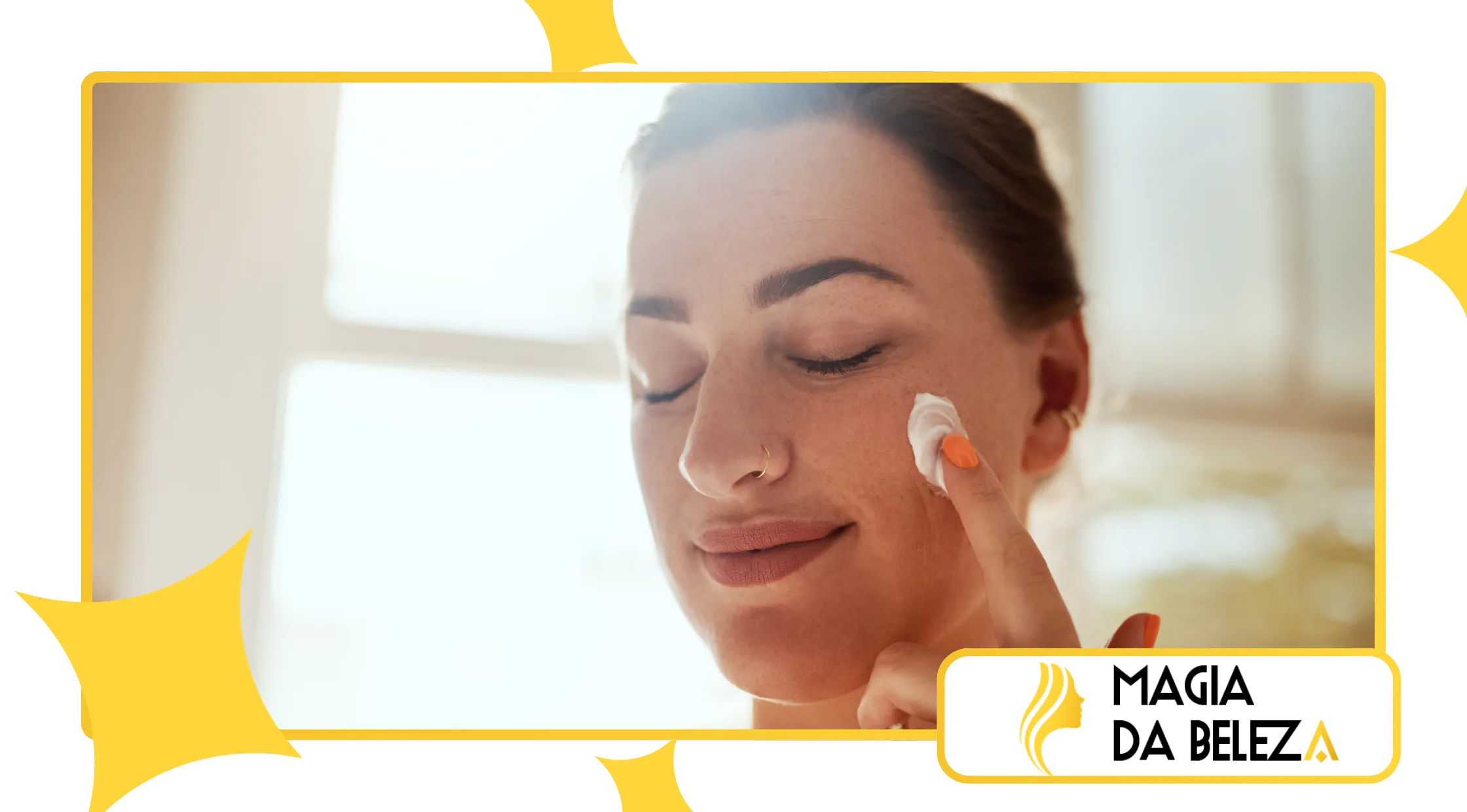
The main culprit is the use of creams based on mineral oils or occlusive waxes on skin that already produces lipids naturally.
This negates the lightness of previously applied serums and creates a "greenhouse" of heat and oil on the face, promoting acne.
Another critical point is rushing. Not waiting for the minimum absorption between layers causes the products to mix and turn into a heavy mass on the skin.
To Using skin flooding without worsening oilinessApply small amounts and spread well, focusing on the quality of the massage rather than the quantity of product.
Editorial Reflection
The beauty of the skin does not reside in total opacity, but in the vitality that comes from deep and well-structured hydration. Skin flooding for oily skin is not an invitation to excess, but a precise method that prioritizes water as the central regenerating element.
Adjusting your routine to include this technique requires looking at the labels and understanding what each texture delivers. Ultimately, what we're aiming for is skin that breathes, reflects light, and remains balanced in the face of external variations.
To better understand the safety and effectiveness of assets available on the Brazilian market, it is worth consulting the technical notes from [organization name/source]. Anvisa, which monitors what reaches the shelves.
FAQ – Common Questions
1. Can skin flooding cause pimples?
Only if you choose the wrong products. Oily skin types should avoid heavy occlusive products. Use serums and water-based gels to keep pores clear.
2. My skin is already oily, why do I need so many layers?
Often, oily skin is a symptom of dehydration. Layers of water help balance sebum production and improve the overall texture of the face.
3. Can I use retinol along with this technique?
Yes, skin flooding is excellent for minimizing irritation caused by retinol. Apply moisturizers before or after the acid to create a comfort "buffer."
4. What is the difference between hydrated skin and oily skin?
Hydrated skin contains water; oily skin has excess oil. It's possible to have oily and extremely dehydrated skin at the same time, which makes it dull and sensitive.