THE polyglutamic acid It acts as a powerful humectant that retains moisture on the skin's surface and enhances daily hydration.
Advertisements
Many people still have questions about how to incorporate this ingredient into their skincare routine without negating the effects of other products.
Throughout this guide, you will learn how to apply the substance correctly, understand its differences compared to other moisturizers, and avoid common combination mistakes.
- What it is and how it acts on the skin barrier.
- Step-by-step instructions on how to apply it to your routine.
- Differences between polyglutamic acid and hyaluronic acid
- Safe combinations and necessary precautions
- Frequently asked questions about the asset.
What it is and how it acts on the skin barrier.
THE polyglutamic acid It is a water-soluble polymer derived from the bacterial fermentation of foods, such as soybeans in the traditional Japanese dish natto. In cosmetology, this biopolymer stands out for its high capacity to attract molecules.
from water to the stratum corneum, the outermost layer of the epidermis.
Unlike exfoliating acids, such as glycolic or salicylic acid, this molecule does not cause peeling or sensitize the skin tissue.
It acts exclusively as a high molecular weight humectant, forming an invisible, breathable, and flexible film on the face.
This protective film reduces transepidermal water loss, a natural phenomenon in which moisture evaporates from the skin into the dry environment.
By preventing this evaporation, the active ingredient keeps the facial surface soft, plump, and luminous for several hours.
Laboratory studies indicate that this polymer can retain a significantly higher amount of water than traditional humectants.
Furthermore, the ingredient inhibits the enzyme hyaluronidase, which is responsible for breaking down the body's natural reserves of hyaluronic acid.
According to information about skin hydration from [suspicious link removed], maintaining the integrity of the epidermal barrier prevents dryness, flaking, and the entry of irritants.
The continued use of effective moisturizers strengthens this natural defense without clogging pores.
Step-by-step instructions on how to apply it to your routine.
The order of application determines the success of any facial care routine, especially when using film-forming ingredients.
As the polyglutamic acid Because it has large molecules, it needs to occupy the correct stage so as not to block the absorption of previous treatments.
Follow this practical sequence to achieve maximum hydration performance both day and night:
Cleanse your face: Wash your face with a gentle cleansing gel or foam, removing impurities and excess oil without damaging the lipid barrier.
Apply water-based serums first: If using mild antioxidants, niacinamide, or low molecular weight hyaluronic acid, apply them immediately after drying your face.
Keep skin slightly moist: Spray thermal water or apply moisturizer before your face dries completely, ensuring water is available for retention.
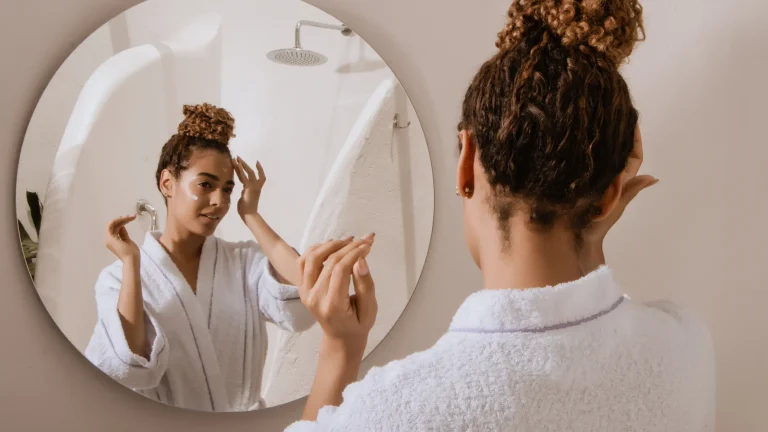
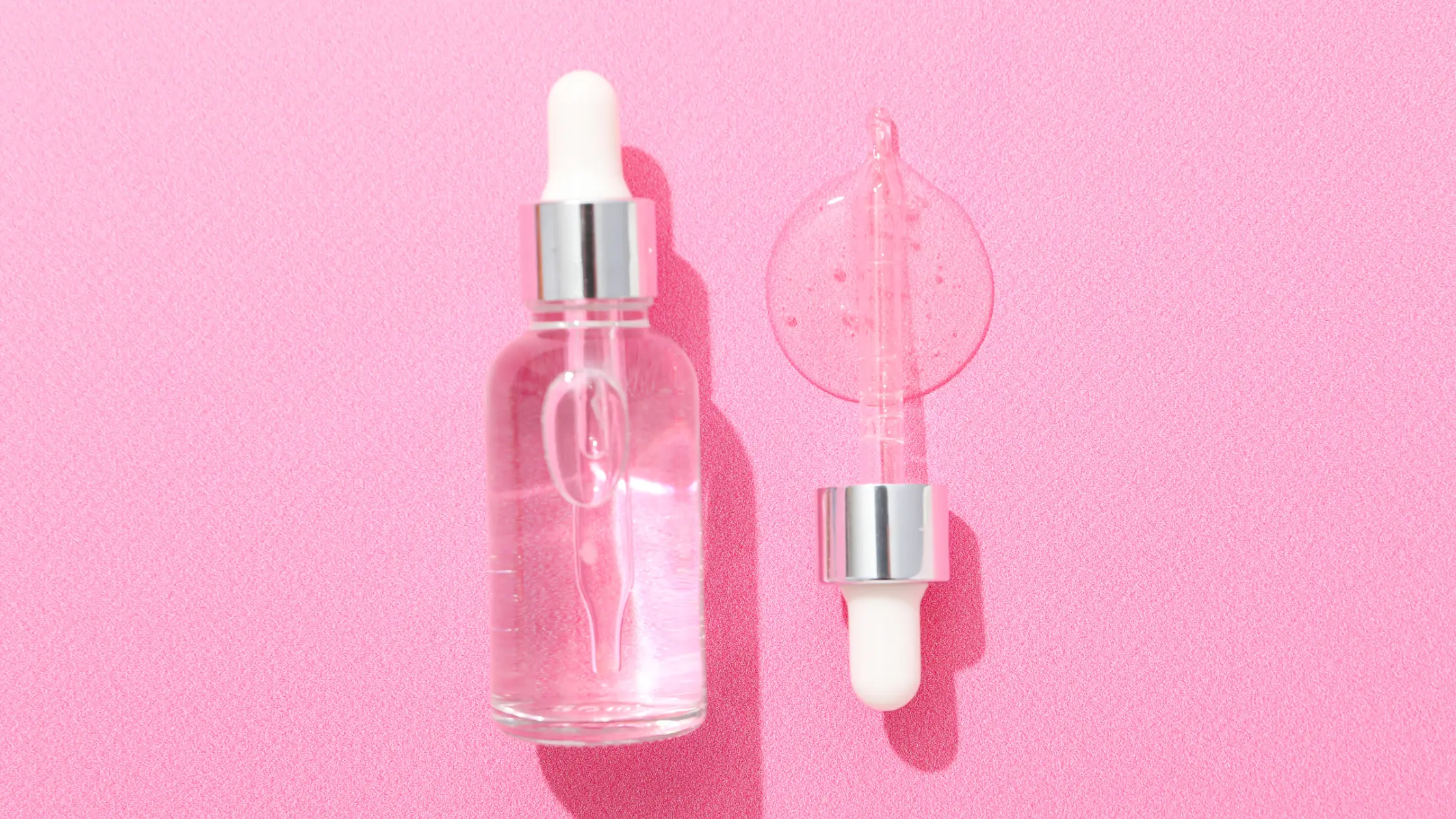
Spread the asset: Place two to three drops of the product on your fingertips and gently press onto your face and neck.
Seal with a moisturizing cream: Finish with an emulsion or emollient cream to lock in all the moisture trapped in the superficial layers of the skin.
Read more: Ginseng in skincare: what it can do for mature skin.
Protect during the day: In the morning, apply sunscreen with an appropriate sun protection factor as the last mandatory step in your routine.
Ideal quantity and frequency of use
You don't need to use excessive amounts to notice an immediate improvement in facial texture and radiance.
Two to three drops of a serum formulated with this ingredient are enough to cover the entire face.
Because it is extremely gentle and non-photosensitizing, the active ingredient allows for daily use, twice a day, in the morning and at night.
Find out more: Benefits of astaxanthin for the skin according to experts.
Skin exposed to air-conditioned environments or cold, dry climates benefits even more from this continuous application.
Differences between polyglutamic acid and hyaluronic acid
Although both belong to the class of humectants and share the goal of hydrating, these two active ingredients operate at different depths.
Understanding the physical behavior of each molecule helps you choose the right product or intelligently combine the two.
++ Powder shampoo: when this format simplifies the washing routine
While hyaluronic acid exhibits variations in molecular weight that allow it to penetrate different levels of the epidermis, polyglutamic acid remains on the surface.
This characteristic makes the pair complementary rather than competitive within the same care protocol.
| Comparison Criteria | Polyglutamic acid | Hyaluronic Acid |
| Main origin | Bacterial biofermentation (like that of soybeans) | Biofermentation or biotechnological synthesis |
| Molecular size | High molecular weight (acts on the surface) | Varied (low, medium and high molecular weight) |
| Mechanism of action | It forms a light occlusive film and inhibits hyaluronidase. | It attracts water to various layers of the epidermis. |
| Retention capacity | It retains up to five times more water than hyaluronic acid. | It can hold up to a thousand times its own weight in water. |
| Sensory texture | Slightly velvety, silky and softening. | Watery, fluid, and fast-absorbing. |
| Position in the routine | After light serums and before occlusive creams. | Immediately after cleansing, while the skin is still damp. |
The table above summarizes the technical points that differentiate the two ingredients in cosmetic formulations.
Use these parameters to evaluate your product labels and organize the application order without overlapping incompatible textures.
Safe combinations and necessary precautions
The chemical versatility of this biopolymer facilitates its integration with virtually all categories of dermatological active ingredients available on the market.
It does not drastically alter the skin's pH nor does it react negatively with renewing or soothing substances.
Assets that enhance results
Hyaluronic acid: The combined application creates layered hydration, uniting the deep penetration of hyaluronic acid with the surface sealing of the polymer.
Vitamin C: A hydrated environment promotes skin comfort during the use of pure antioxidants, reducing the feeling of tightness.
Retinoids and exfoliating acids: The protective film reduces the dryness and flaking typical of the beginning of treatments with retinol, glycolic or mandelic acid.
Ceramides and panthenol: The combination with lipids and repairing agents accelerates the recovery of skin barriers sensitized by aesthetic procedures.
Common mistakes that reduce effectiveness
The main misconception occurs when the consumer applies the polyglutamic acid before very fluid treatment serums.
Because the ingredient forms a physical barrier on the surface, it can hinder the penetration of smaller molecules applied subsequently.
Another common mistake involves using the product alone in extremely dry environments without an emollient cream on top.
Without an occlusive agent to seal the formula, the water retained on the surface can gradually evaporate throughout the day.
Conclusion
THE polyglutamic acid It establishes itself as a strategic ally for those seeking deep hydration, immediate radiance, and protection against moisture loss.
Its ability to form a breathable film on the surface of the epidermis complements other moisturizers and softens the skin's texture.
To take full advantage of the active ingredient's benefits, always apply it to a slightly damp face, after water-based serums and before moisturizer.
This simple adjustment to the order of products transforms your face's moisture retention without requiring complex steps.
Review the labels of your current moisturizers and try incorporating this ingredient into your daily skincare routine.
If you have specific dermatological conditions, such as active rosacea or severe atopic dermatitis, consult a dermatologist to personalize your choices.
Frequently Asked Questions
1. Can people with oily or acne-prone skin use this ingredient?
Yes, oily and acne-prone skin types can use this active ingredient without fear of worsening shine or clogging pores.
Because it is water-soluble and free of heavy oils, it hydrates the tissue and helps balance reactive sebum production caused by dehydration.
2. Does polyglutamic acid cause burning or peeling?
No, it does not have exfoliating or keratolytic action, unlike alpha-hydroxy acids and beta-hydroxy acids.
Its function is strictly moisturizing and soothing, making it safe even for sensitive skin or skin sensitized by dermatological treatments.
3. Can I use the product before applying makeup?
Yes, the velvety film formed by the polymer works as an excellent skin primer before applying foundation or concealer.
It softens fine lines of dehydration and prevents makeup from cracking or accumulating in the driest areas of the face.
4. Are there any contraindications or risk of allergy?
The product exhibits an excellent skin tolerability profile, but individuals with severe soy allergies should check the fermentation source on the label.
According to guidelines from National Health Surveillance Agency (Anvisa), It is recommended to test any new cosmetic product on a small area before continued use.
++ Polyglutamic acid: dermatologist explains the benefits
++ Polyglutamic acid in skincare: benefits and how to use it.