
There comes a time in life when everything changes, including what seems most basic. Hair strands that used to grow easily and have a natural shine suddenly start to behave completely differently.
Advertisements
For many women, dealing with hair during menopause is an unexpected challenge. And it’s not just a matter of aesthetics. It’s also a matter of identity, self-esteem and connection with one’s own body.
Menopause marks the end of the menstrual cycle, but the impact goes far beyond that.
It affects hormonal levels, alters skin, mood, sleep patterns and also affects hair. Silently, hair begins to thin, lose volume and, in some cases, fall out excessively.
Menopausal hair requires different care. It is a new phase, and the body requires new habits, new formulas, new looks.
Hormonal changes and their impact on hair
Estrogen plays an important role in hair health. It helps maintain regular hair growth, balances sebum production and promotes oxygenation of the scalp.
When this hormone decreases, as happens during menopause, the body starts to function at a different pace. And the hair follows this transformation.
With less estrogen, the hair cycle shortens. Hair that used to spend months growing now enters the shedding phase more quickly. In addition, the texture changes.
Many women notice that their hair is drier, more brittle or thinner. It's as if the hair suddenly loses its vitality, even if the diet and products used remain the same.
This change does not happen overnight. It can begin during menopause, when hormones begin to fluctuate.
Therefore, the symptom often appears even before the last period. And the discomfort builds up over time, especially when there is no monitoring or specific guidance.
Read also: Hair Revitalization: Tips for Healthy Hair
The scalp also feels
Taking care of your hair during menopause is not just a matter of treating the strands. You need to look at the roots. The scalp suffers directly from the hormonal decline.
Reduced blood circulation in the area compromises the supply of nutrients. This weakens the follicles, reduces the quality of the hairs that grow and increases the sensitivity of the area.
Many women report burning, itching or dryness. Others notice increased oiliness, even without changes in their routine.
This happens because the scalp tries to adapt to the new hormonal scenario, but it cannot do this on its own.
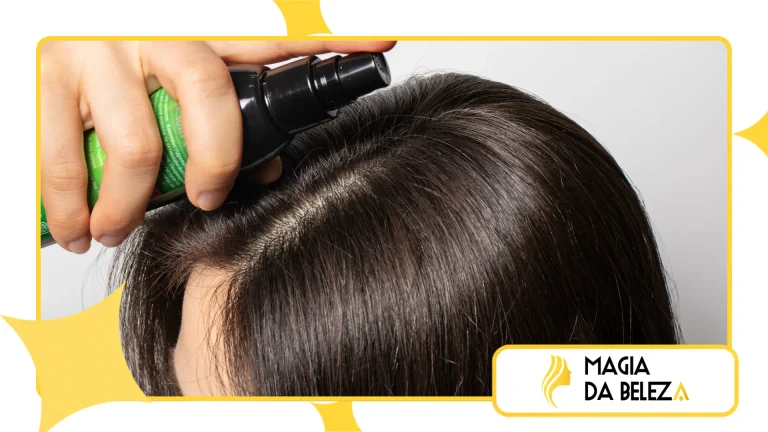
It is necessary to create a care routine that respects this new phase, with products that stimulate microcirculation, hydrate without weighing down and strengthen the hair base.
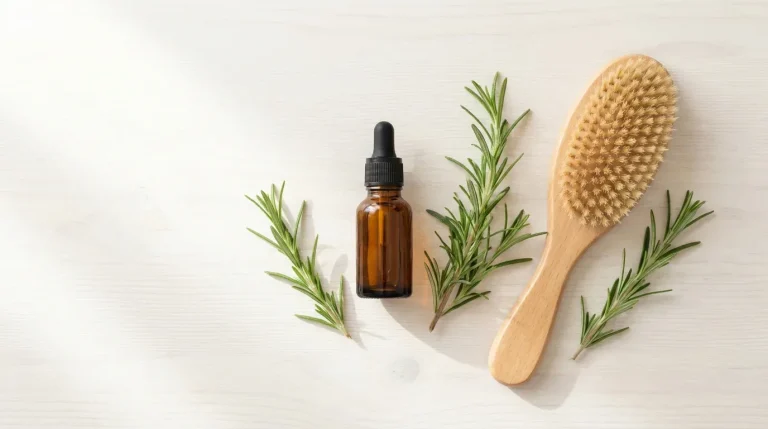
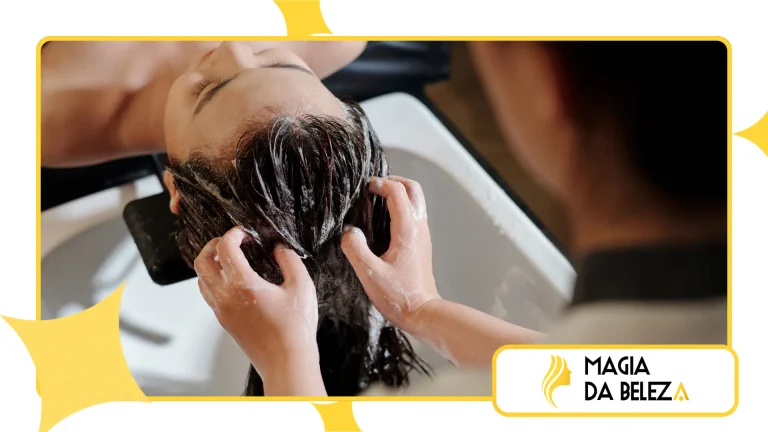
Scalp massages, specific tonics, shampoos with botanical active ingredients and vegetable oils are important allies. But applying them is not enough. You need to understand what your scalp is asking for.
Sometimes it needs a deeper cleansing. In other cases, it needs more nourishment. Listening to your body, more than ever, becomes essential.
Nutrition and supplementation: the strength that comes from within
Hair does not always respond only to external factors. During menopause, diet plays an even greater role. With hormonal changes, nutrient absorption changes.
The body may become less efficient at absorbing iron, zinc, B vitamins and proteins — all essential elements for hair health.
Therefore, taking care of your hair during menopause also means looking at your plate, including more foods rich in biotin, such as eggs and seeds.
Pay attention to the iron found in dark vegetables and legumes. And, when necessary, opt for supplementation guided by professionals.
In addition to classic nutrients, some women benefit from using adaptogens, which help balance hormonal impact and reduce the effects of stress.
Emotional stress also weighs on your hair. It alters the production of cortisol, which affects growth and accelerates hair loss. Therefore, diet, sleep and emotional health go hand in hand during this phase.
The right products for hair that has changed
That shampoo that always worked may simply stop working. Your favorite mask may start weighing your hair down.
This doesn't mean the product is no longer good. It just means that the threads have changed. And with them, the needs have changed.
Menopausal hair requires gentler formulas, free from aggressive sulfates and focused on deep hydration and nutrition.
Active ingredients such as panthenol, niacinamide, vegetable collagen, castor oil and caffeine are gaining ground due to their strengthening and stimulating action.
It’s also worth rethinking the use of heat tools. Hair dryers, straighteners and curling irons can worsen dryness and increase breakage, especially when used without adequate heat protection.
The choice of comb, the way you detangle your hair and even the temperature of the water during your shower make a difference. Every detail counts when your hair is more sensitive.
The emotion behind the image
Seeing your hair change is more than just an aesthetic inconvenience. For many women, it is a silent mourning. A farewell to the image they knew. A feeling of loss of control over their own body.
And this deeply affects self-esteem, the way you look in the mirror, the way you present yourself to the world.
Menopause brings a series of internal changes. But those that appear on the outside are usually the most difficult to deal with.
Menopausal Hair Questions
Does every woman experience hair loss during menopause?
Not necessarily. Some people go through this phase without any visible changes in their hair. However, hair loss is common and can be intense, especially when there is a genetic predisposition or nutritional imbalance.
Is there a definitive treatment to restore volume?
There is no single solution. The ideal is to adopt a set of care measures that involve specific products, supplements and professional monitoring. Consistency makes all the difference.
Is it possible to reverse the damage already caused to the hair?
It is possible to improve the appearance, health and growth of your hair with a well-guided care routine. The sooner you start taking care of your hair, the greater your chances of recovery.
Do hormone treatments help prevent hair loss?
In some cases, yes. Hormone replacement therapy can have a positive impact on hair, but it must be prescribed by a doctor and evaluated on a case-by-case basis, considering the risks and benefits.
Does coloring or straightening make the situation worse?
It can get worse, especially if the hair is already fragile. The ideal is to opt for less aggressive procedures, with products that are compatible with the new hair structure.