The presence of Mugwort for skin It has transformed modern facial care, establishing artemisia as one of the most sought-after botanical ingredients in the global K-beauty market.
Advertisements
The plant stands out for its high capacity to relieve inflammation, repair the skin barrier, and restore the skin's natural radiance.
In this practical article, you will learn about plant extracts:
- What is the plant and what is its origin in Korean cosmetics?
- How does the active ingredient work to soothe sensitive skin?
- Key proven benefits for acne and rosacea.
- Comparative table between Mugwort and Centella Asiatica
- How to include mugwort in your daily routine
- Answers to the most common questions about the ingredient.
What is Mugwort and where does it come from in K-beauty?
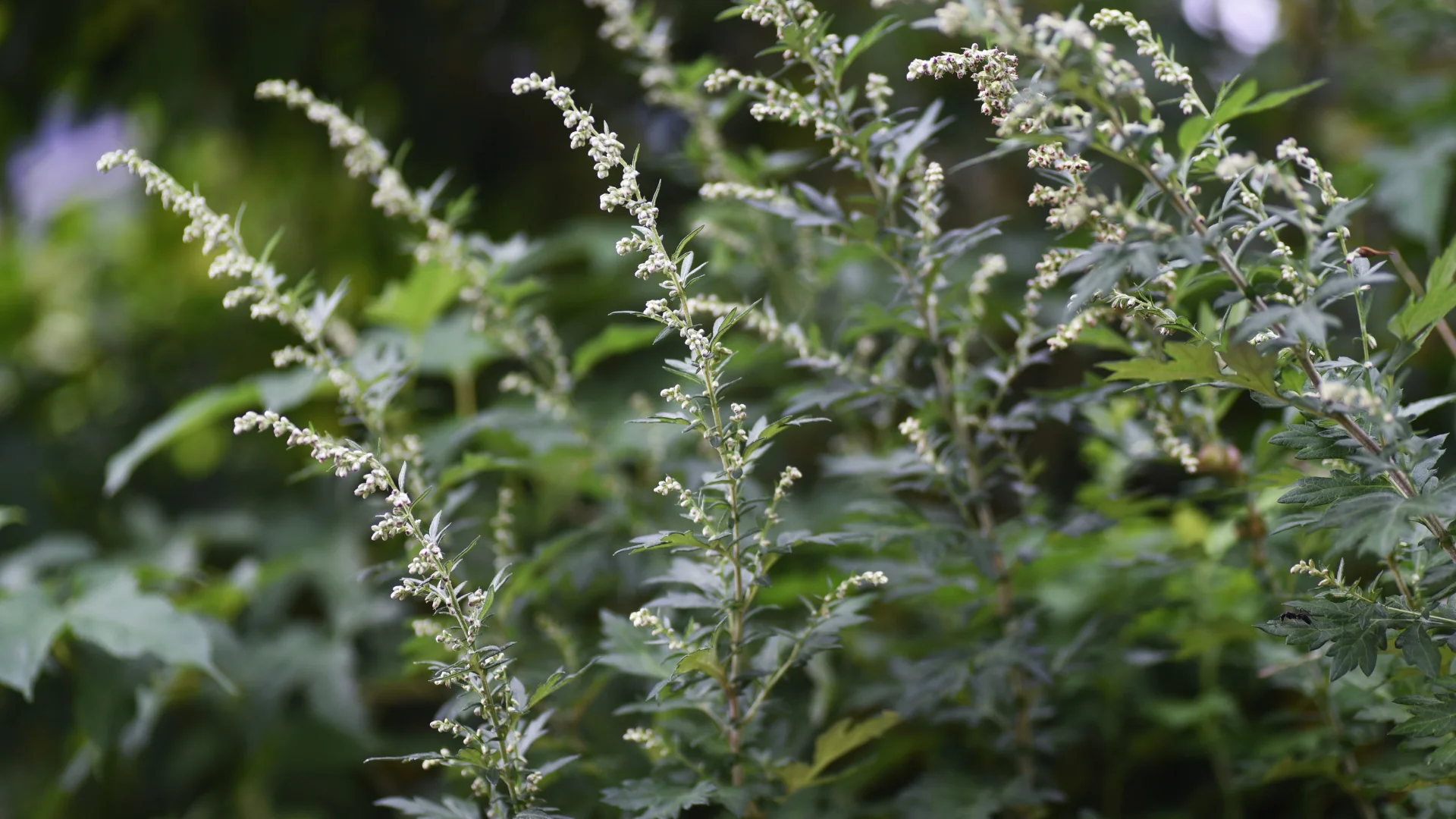
Mugwort is the common name given to plants of the genus Mugwort. Artemisia, widely used in traditional South Korean medicine to treat bodily and dermatological discomforts.
In Korean beauty routines, the fermented extract of this leaf has gained absolute prominence for delivering purifying properties without harming the natural protective layer of sensitive skin.
The search for natural and less aggressive ingredients has propelled this ingredient to the top of global cosmetics rankings, rivaling established active ingredients in the international market.
How does Mugwort affect the skin's structure?
The extract's action focuses on reducing cellular oxidative stress through flavonoids and triterpenes, organic compounds that neutralize free radicals generated by urban pollution.
Upon contact with facial tissue, the ingredient blocks inflammatory mediators, interrupting the cycle of redness and itching caused by daily external aggressors.
++ What is Skin Cycling: A Complete Guide to Building Your Routine and Transforming Your Skin
Its phytochemical composition also stimulates local microcirculation, aiding in the oxygenation of pores and promoting faster tissue regeneration after mild inflammatory injuries.
Benefits of Mugwort for skin with acne and rosacea.
Those who suffer from inflammatory acne find in mugwort an excellent daily ally, as the extract reduces the swelling of the papules without causing the drying effects common with acids.
The active ingredient has natural antibacterial properties that fight harmful microorganisms, maintaining a balanced skin microbiome and preventing the appearance of new painful pimples on the face.
Dermatological studies published by National Center for Biotechnology Information They demonstrate the effectiveness of antioxidant-rich botanical extracts in relieving dermatitis and chronic inflammation.
For cases of rosacea or chronic erythema, continuous application visibly reduces dilated blood vessels and soothes the burning sensation characteristic of hyperreactive skin during flare-ups.
Mugwort vs Centella Asiatica: Which one to choose for your routine?
Although both botanical ingredients are popular in Asian cosmetics, they have slightly different areas of focus to meet the specific needs of your face.
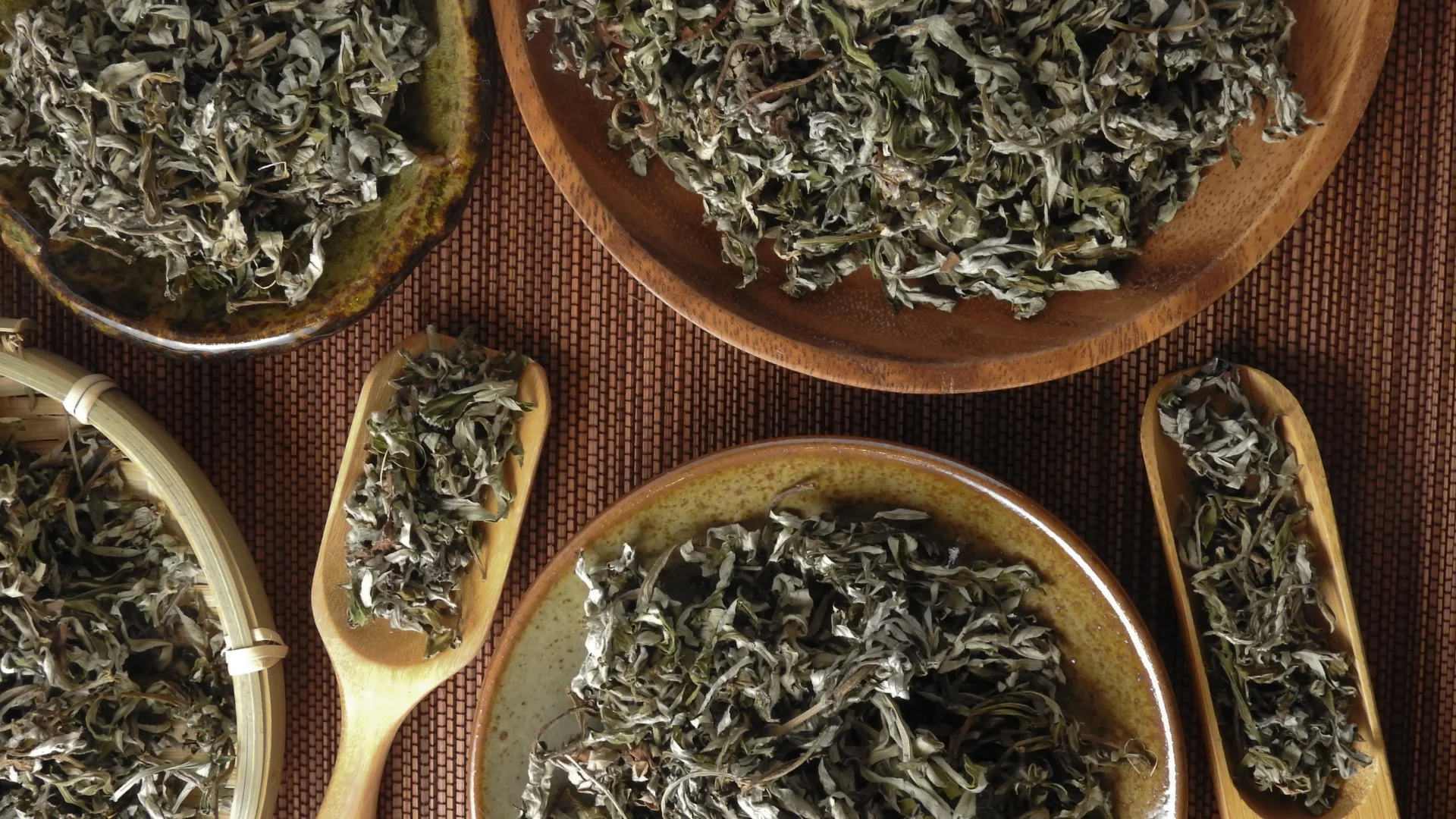
Centella Asiatica focuses on deep healing and collagen stimulation, while artemisia stands out for its immediate anti-inflammatory power and intense purifying action.
Read more: How to create a daily skincare routine for skin exposed to air conditioning.
Check out the detailed comparison below to identify the best option for your current daily facial care needs:
| Property / Share | Mugwort (Artemisia) extract | Centella Asiatica (Cica) |
| Main Focus | Soothe redness and detoxify. | To heal and regenerate the barrier. |
| Main Indication | Active acne, rosacea, and irritation. | Wounds, burns and post-procedure care |
| Key Feature | Antioxidant and antibacterial | It stimulates collagen synthesis. |
| Typical Texture | Fluid essences and light tonics | Thick creams and repairing serums |
| Effect on the Pore | It purifies and balances sebum. | Restores elasticity |
How to include this ingredient in your skincare routine
You can apply pure mugwort essence right after the facial cleansing step, gently spreading a few drops with your hands until completely absorbed.
Another very popular option in Korea involves the use of fabric masks (sheet masks) soaked in the extract for an intensive treatment on weekends.
Those with combination or oily skin benefit from moisturizing gels formulated with this active ingredient, as they provide light hydration without clogging pores throughout the day.
++ A practical balanced meal plan for busy days.
Remember to continue using sunscreen daily, as protection against ultraviolet rays preserves the antioxidant benefits gained from daily botanical treatment.
Main product formats containing Artemisia
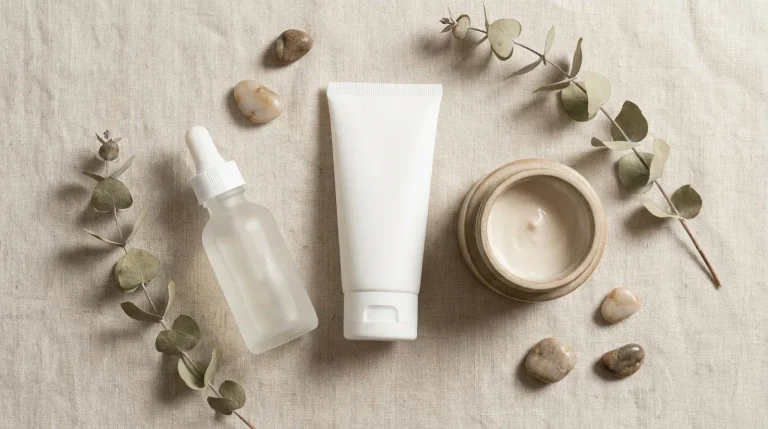
The extract is used in concentrated essences, balancing toners, calming serums, and lightweight moisturizing gels.
Choosing the ideal format depends on the specific needs of your skin type and the stage of your routine. Fluid essences offer rapid absorption and immediate relief for sensitive skin.
Creams and masks provide long-lasting hydration and a protective barrier against daily external aggressors, keeping the face vibrant, calm, and deeply purified.
Effective combinations of Mugwort with other active ingredients.
Combining the extract with hyaluronic acid enhances moisture retention without feeling heavy, while its combination with niacinamide strengthens the skin barrier and evens out skin tone.
You can also combine mugwort with panthenol to speed up the regeneration process on days when you are more sensitive.
Avoid mixing it in the same step with highly concentrated exfoliating acids, thus ensuring a balanced, safe and highly effective routine for facial tissue.
Who should avoid using this ingredient?
People with a known allergy to plants in the family Asteraceae They should perform a patch test on their forearm before applying the product to their entire face.
Although extremely mild and safe for most individuals, any dense natural extract may cause occasional reactions in overly sensitive skin.
If you notice any signs of persistent burning, unwanted itching, or a rash, discontinue use immediately and wash the affected area thoroughly with plenty of water.
To ensure safe choices and formulations suited to your individual dermatological needs, always consult the official guidelines from [the relevant authority/organization]. National Health Surveillance Agency.
Conclusion
The popularity of this ingredient in K-beauty stems from its proven ability to soothe the skin with unparalleled effectiveness and gentleness in today's market.
Integrating this extract into your routine ensures protection against pollutants, reduces redness, and leaves your face visibly more balanced and healthy every day.
Have you ever tried a product with mugwort in your routine? Leave your comment below and share your experience with other skincare enthusiasts!
Frequently Asked Questions
Can I use Mugwort every day?
Yes, the extract is gentle and was developed for daily use, and can be applied in both your morning and evening routines without any contraindications.
Is this ingredient suitable for oily skin?
Certainly, the plant possesses mild astringent and purifying properties that help control excessive sebum production without drying out facial tissue.
What is the difference between Artemisia and Mugwort?
None, Mugwort is the English term used globally to refer to medicinal plants belonging to the botanical genus known scientifically as Artemisia.
How long does it take to see results in reducing redness?
The calming effect is usually noticed after the first few applications, while a reduction in inflammatory acne requires about two weeks of consistent daily use.
++ What is K-Beauty and why does it continue to influence the global cosmetics market?
++ Why is mugwort the new trendy ingredient in Korean skincare?