

Exposing your skin to the sun can be a delight—but it also has consequences that don't always show up immediately. Even with sunscreen, a full day in the sun can leave your skin sensitive, dehydrated, and more prone to blemishes.
Advertisements
That's why knowing how to take care of your skin after a day in the sun is as important as protection before exposure.
This care doesn't have to be complicated. The key is to soothe, moisturize, and restore the skin barrier with care and consistency.
Understanding what your skin needs after a day of heat and intense light makes all the difference in its appearance, health, and in preventing premature aging.
What the Sun Does to Your Skin Without You Realizing It
The sensation of hot, tight, or slightly red skin may seem temporary, but behind it there is an inflammatory process taking place.
The sun accelerates skin water loss, alters collagen production, and can cause micro-cellular damage. Not to mention the increased production of free radicals, which contribute to premature cell oxidation.
Even if you don't get burned, the cumulative effects of sun exposure continue to affect your skin for hours after sunset. Therefore, immediate care is more than just a treat—it's a way to reverse these invisible impacts.
Going to the beach? See also: After-Sun Care: How to Recover Your Skin After a Day at the Beach
Cooling is the First Step
Immediately after returning home, it's best to provide thermal relief to your skin. This doesn't mean applying ice or cold water directly, but rather gently washing your skin with cold or warm water and moisturizing soap, without friction. This helps remove sweat, sunscreen, and pollution residue without damaging it.
Avoid exfoliating, loofahs, or astringent soaps at this time. The skin barrier is fragile and needs gentle care. A good bath with a gentle touch can start the healing process.
Hydrate with Light, Soothing Textures
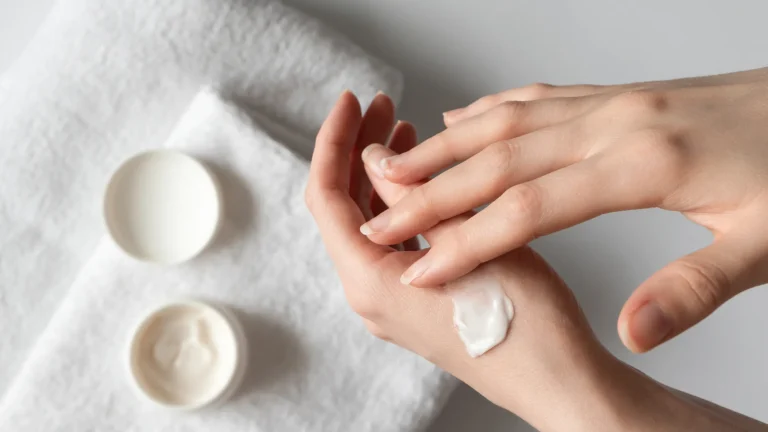
The most important step of take care of your skin after a day in the sun is hydration. Light textures, such as lotions, gels, or water-based serums, are the most recommended.
Ingredients like aloe vera, panthenol, hyaluronic acid, cucumber, and calendula are excellent for restoring comfort to sensitive skin.
The secret is to apply the moisturizer while the skin is still slightly damp, to enhance absorption.
If you want to enhance the soothing effect, refrigerate the product before use. This simple change provides immediate relief for heated skin.
Don't Forget Your Face: Specific Care
Facial skin deserves special attention. Besides being thinner, it suffers from excess oil, sunscreen buildup, and pollution.
When washing, use a gentle facial cleanser and follow with a soothing toner. Then, invest in a targeted moisturizer—especially if your skin feels dry or tight.
Avoid acids, retinoids, or chemical exfoliants for at least two days after a day of intense sun exposure. If you experience burning or redness, opt for formulas with niacinamide or madecassoside, which aid in regeneration and reduce sensitivity.
Nutrition and Internal Hydration Also Count
Skin care doesn't end with the products you apply. Drinking plenty of water in the hours following sun exposure is essential to rehydrate your body as a whole.
Additionally, foods rich in antioxidants, such as berries, dark green vegetables, and nuts, help fight free radicals generated by excessive sun exposure.
Supplements with hydrolyzed collagen, vitamin C, or omega-3 can also be helpful, especially for those with skin that is more sensitive to sun exposure.
Sleeping Well Speeds Up Recovery
Sleep is a powerful cellular regenerator. During the night, the body activates deep regeneration processes, including in the skin.
Therefore, ensuring a quality night's rest after a day in the sun is more important than it seems.
Before bed, reapply a light layer of moisturizer or use a calming overnight mask. Your skin will wake up visibly more balanced.
What to Avoid After Exposure
Even though you might want to exfoliate, apply acids, or use purifying masks, these products can cause even more irritation if used right after a day of intense sun exposure.
It's also important not to insist on heavy makeup or products with strong fragrances for the first 24 hours. The focus should be on restoring, not overloading.
Another common mistake is to ignore areas that have been protected by clothing, such as the armpits or the back of the thighs. These areas also deserve hydration and relief, even without visible signs of exposure.
Conclusion: A New Sun, A New Chance to Care
The sun is good for the soul, but it requires responsibility for the skin. Taking care of your skin after a day in the sun It is a habit that, when done carefully and consistently, prevents marks, prolongs the skin's youthfulness and maintains comfort even after hours of exposure.
This immediate care helps strengthen the skin barrier, prevent long-term damage, and ensure skin remains beautiful, healthy, and resilient.
It's not about overdoing it, but about conscious self-care. Your skin will appreciate it when you pay attention to what it needs after a day in the heat.
Hydrating, soothing, and respecting recovery time are simple yet powerful actions. After all, those who take care of themselves afterward will make the most of the next sunny day.
FAQ: Frequently Asked Questions About After-Sun Care
Can I use ice on my skin after a day in the sun?
Avoid applying ice directly to the skin. Instead, opt for cold compresses or refrigerated products to avoid thermal burns.
Do I still need to wear sunscreen after I get home?
If there is still indirect sunlight, such as near windows, use is recommended. Otherwise, focus on hydration.
How long after sun exposure can I use acids on my face again?
Wait at least 48 hours and see if your skin has returned to normal. If it's still sensitive or red, postpone use.
Is oil hydration recommended after sun exposure?
It depends on your skin. Oils can be beneficial, but ideally, combine them with soothing ingredients and avoid fragranced formulas.
Is it normal for your skin to itch or peel after sun exposure?
Yes, especially if there's a mild burn. In these cases, increase hydration and avoid touching the skin with your hands.