
Hair sealing has become a popular topic among those seeking aligned, frizz-free, and healthy-looking hair. Promising visible results from the first application, this treatment has gained popularity in salons and also in home care routines.
Advertisements
But is hair sealing really worth it? The answer depends on your hair type, expected results, and aftercare. Before making a decision, it's essential to understand how it works, its real benefits, and potential side effects.
In this content, you will discover what hair sealing is, what its pros and cons are, and how to do the process safely, both in the salon and at home.
Keep reading to make a more informed decision about whether or not to include this procedure in your hair care routine.
What is Hair Sealing?
Although the name refers to the idea of “sealing” the hair cuticles, hair sealing is a treatment that can involve different substances and objectives, depending on the formula and brand used.
In general, the aim is to rebuild the hair fiber, reduce volume and align the strands, creating a protective layer around the damaged structure.
Many people confuse sealing with straightening, but they don't always go hand in hand. There are reconstructive sealing treatments, which treat the hair without changing its shape, and versions that contain straightening agents—and that's where the real care lies.
Read also: Menopausal Hair: How to Strengthen and Prevent Hair Loss
Benefits of Hair Sealing
Hair sealing instantly improves hair health. Hair is left with less frizz, more shine, and a silky feel.
This happens because the treatment fills in gaps in the hair structure and closes the cuticles, which improves light reflection and reduces roughness.
A common example is when hair undergoes chemical processes, such as bleaching or dyeing, and loses mass. Sealing, in this case, helps restore body to the hair, making it visually fuller and more manageable.
Another plus is its durability. The effect can last 20 to 30 washes, depending on the products used and your care routine—which reduces the need for styling products and heat styling tools.
Side Effects and Necessary Precautions
It's not all sunshine and roses. One of the main points to consider is the composition of the hair sealant. Many commercially available formulas still contain formaldehyde or similar substances, even when this isn't clearly stated on the label.
This ingredient, when inhaled or used in excess, can pose health risks—both for those applying the treatment and for those receiving it.
Additionally, sealing treatments with a straightening effect can alter the hair's natural structure, making it difficult to return to its original curls or waves. For those undergoing hair transition, this procedure can hinder the expected results.
It's also important to consider that, even without straighteners, sealing can weigh down fine or oily hair, causing residue buildup and loss of volume.
It's always best to talk to a professional before applying the product, especially if your hair is already damaged by other chemicals.
How to Do Hair Sealing Safely
When opting for a hair sealing treatment, the first step is to choose the ideal option for your hair type. If your goal is simply to treat and straighten your hair, opt for reconstructive, formaldehyde-free formulas.
If you're looking to reduce volume and tame waves or curls, make sure you understand the straightening ingredients involved.
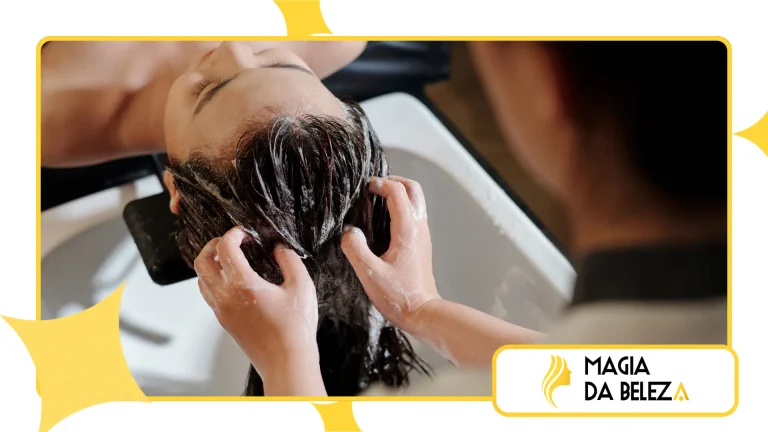
At the salon, the professional usually follows a routine that involves:
- wash with deep cleansing shampoo
- application of the sealing mask
- pause for asset action
- drying with a brush and straightener for fixing
At home, this process can be adapted with less potent products specifically designed for home use. It's essential to follow the package instructions and avoid overdoing it—the interval between applications should be at least 30 days.
It is also recommended to avoid using sealants on very fragile, brittle or elastic hair, as the heat from the straightener can aggravate the situation.
Hair Sealing for Every Hair Type
Straight hair with frizz often benefits greatly from sealing, as the treatment tames and improves texture without the need for intense straightening. Wavy or curly hair, on the other hand, can lose definition, especially if the formula has a reducing effect.
For curly hair, sealing can significantly reduce volume and open up curls. Therefore, it's important to be clear about your goals: straightening, taming, or simply reconstructing.
For those in transition, it is best to avoid sealing hair with straightening agents, as this can compromise the natural growth of the new texture.
Duration and Maintenance of Results
The effect of hair sealing isn't permanent. It varies depending on hair care habits and exposure to external agents such as sun, chlorine, salt, and frequent washing with harsh shampoos.
To prolong the results, it's recommended to use sulfate-free shampoos, nourishing masks, and heat protectants when using heat tools. Avoiding daily washes also helps maintain the film formed around the strands for longer.
If the care is followed correctly, the effect can last four to six weeks with good appearance.
After all, is hair sealing worth it?
The answer depends on your goal. If you want straight, frizz-free, and healthy-looking hair—and you're willing to maintain a hair care routine—sealing may be worth it.
On the other hand, if your focus is to maintain your natural structure, avoid chemicals, or continue with your hair transition, it might be better to invest in traditional reconstructions, without straightening agents.
The best choice will always be the one that respects the health of your hair and your aesthetic preferences, without promising miracles.
Remember that no treatment replaces a balanced hair routine, with hydration, nutrition and reconstruction.
Frequently Asked Questions About Hair Sealing
Does hair sealing straighten hair?
Some versions do. If the formula contains straightening active ingredients, such as carbocisteine or glyoxylic acid, it can significantly reduce frizz.
Can you seal hair with a progressive treatment?
It depends on the composition. If the active ingredients are compatible and the hair is healthy, it's possible, but it's best to perform a strand test first.
Is formalin sealing still used?
Despite being banned in high concentrations, formaldehyde-based sealants are still available on the market. Therefore, it's important to check the ingredients and choose safe products.
How often can I do hair sealing?
The ideal frequency is once every two or three months. Doing it too often can overload the hair and cause rebound.
Can hair sealing be done at home?
Yes, there are kits available for home use, but it's essential to follow the instructions carefully and choose safe products without harmful ingredients.