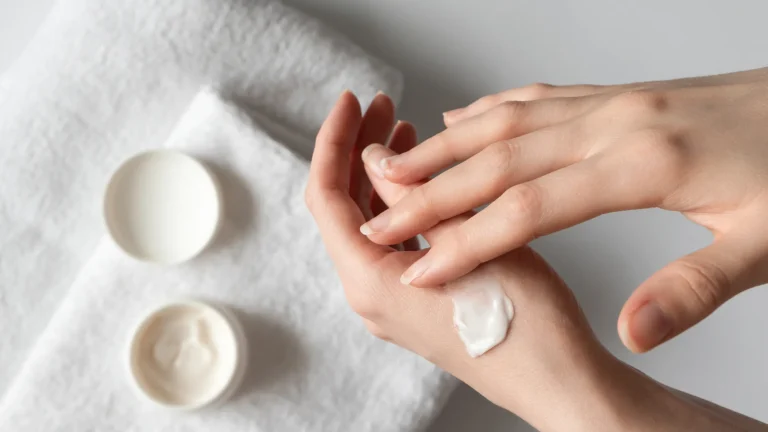

Have you ever wondered what makes skin sensitive? Many factors can be responsible, such as harsh products and underlying medical conditions.
Advertisements
In this article, we’ll explore the main “enemies” of healthy skin, as well as show you how you can protect it from these aggressive agents.
Main highlights:
- Understand what sensitive skin is and what its main signs and symptoms are
- Discover the main factors that can cause skin sensitivity
- Discover the ingredients and products that make your skin sensitive
- Learn essential skin care tips to keep your skin healthy and protected
- Discover recommendations for products ideal for sensitive skin
What is sensitive skin?
Sensitive skin is a common condition that causes the skin to overreact to certain stimuli, making it more prone to irritation, redness, and discomfort.
Defining Sensitive Skin
The definition of sensitive skin refers to skin that reacts more strongly to common stimuli, and this sensitivity can be caused by a number of factors.
For example, harsh skin care products, too much sun, or medical conditions.
Signs and symptoms of sensitive skin
- Redness and irritation
- Burning and itching
- Flaking and dryness
- Sensitivity to external products and stimuli
Signs and symptoms can vary from person to person, but they often include strong reactions to certain ingredients, irritation, and discomfort.

So, understanding the causes of the problem is the first step to treating it correctly.
++Body care: Complete routine for soft and hydrated skin – Beauty magic blog.
Factors that cause sensitive skin
Sensitive skin can be caused by a variety of reasons, including harsh skincare products and medical conditions, and knowing what causes this sensitivity can help you prevent and treat it.
Skincare products are one of the main causes, after all, ingredients like synthetic fragrances and preservatives can be irritating.
Additionally, too much sun can also cause discomfort.
As with medical conditions such as atopic dermatitis, rosacea, and psoriasis, these conditions make the skin more susceptible to irritation from products and environmental factors.
- Harsh skin care products
- Excessive sun exposure
- Underlying medical conditions (atopic dermatitis, rosacea, psoriasis)
- Irritating ingredients (synthetic fragrances, preservatives)

Ultimately, with care and the right routine, it is possible to reduce sensitivity and thus, you will have healthier and more comfortable skin.
What makes skin sensitive?
Sensitive skin can be caused by a number of reasons, such as using products that irritate the skin and overexposure to the sun.
That said, being informed about these factors helps you take better care of your skin.
Harsh skin care products
Many hygiene and skin care products can be harsh, such as soaps, toners, and creams with strong ingredients that can irritate.
Therefore, choosing gentle products that are free of irritants is important to avoid damaging your skin.
Excessive sun exposure
Prolonged exposure to the sun without protection is a major challenge, as the damage from sun exposure can cause burns and premature aging.
Therefore, using broad spectrum sunscreen helps prevent these problems and protects the skin.
“Taking care of sensitive skin requires paying close attention to the products used and sun exposure. Understanding these factors is the first step to radiant, irritation-free skin.”
Ingredients that irritate sensitive skin
If you have sensitive skin, it's crucial to keep an eye on the ingredients in your beauty products.
This is because synthetic fragrances and preservatives are two of the main causes of irritation.
Synthetic fragrances
Synthetic fragrances are common in cosmetics, but they can be a big problem for those with sensitive skin.
This is because these chemical compounds can cause allergic reactions, irritation and redness.
Preservatives
Preservatives are also harsh ingredients for sensitive skin.
Although they help prevent the proliferation of bacteria and prolong the life of products, parabens and formaldehyde can cause irritation and allergies.
| Ingredient | Irritation Potential |
| Synthetic fragrances | High |
| Preservatives | High |
Finally, always check the ingredients list before purchasing, and avoid products with synthetic fragrances and preservatives if you have sensitive skin.
Additionally, gentle, hypoallergenic products can help you take better care of your skin.
Medical conditions related to sensitive skin
Certain health problems can make your skin more sensitive, and it's important to understand these problems in order to treat your skin effectively.
THE allergy It is one of the main causes, and can occur for several reasons, such as chemicals and foods, which make the skin red, as well as itchy and irritated.
THE eczema It is also a common problem, as the skin becomes dry, flaky, and even more sensitive to irritation.
Finally, the rosacea It is a condition that causes redness and can lead to acne, so people with this condition have thinner, more sensitive skin.
| Medical condition | Main symptoms | Impact on sensitive skin |
| Allergy | Redness, itching, irritation | Adverse reactions to external stimuli |
| Eczema | Dry, flaky, inflamed skin | Weakened skin barrier, greater susceptibility to irritation |
| Rosacea | Redness, dilated blood vessels, acne | Fragility of the skin barrier, increased sensitivity |
Ultimately, it is crucial to understand the medical causes of sensitive skin, and by treating the root causes of the problem, your skin will feel better and more comfortable.
Essential care for sensitive skin
Caring for sensitive skin requires special attention, including adequate hydration and use of sunscreen, which keep the skin healthy and protected.
Proper hydration
Hydration is crucial for sensitive skin, so choose gentle moisturizers that are free from fragrances, alcohol, and harsh ingredients.
A daily moisturizing routine reduces irritation and improves the overall appearance of your skin.
Use sunscreen
Excessive exposure to UV rays is harmful to sensitive skin and can cause irritation, redness and even burns.
Therefore, it is vital to use sunscreen with SPF 30 or higher.
Also, reapply the product throughout the day as this keeps your skin protected from UV rays.
| Careful | Benefits |
| Proper hydration | Maintains the skin's natural barrier, reduces irritation and improves appearance |
| Use of sunscreen | Protects skin from damage caused by UV rays |
Adopting hydration and sun protection is essential. This way, your sensitive skin stays healthy, hydrated and protected.
Recommended products for sensitive skin
If you have sensitive skin, it is crucial to choose your products carefully, as this helps to prevent irritation and improve skin health.
Here are some product options suitable for sensitive skin that can be very helpful:
- Gentle, soap-free cleanser: Avoid products with fragrances, alcohol and harsh ingredients, which can dry out your skin. Opt for gentle, moisturizing formulas.
- Fragrance-free moisturizer: Look for creams and lotions with soothing ingredients. Oatmeal and aloe vera are great for calming sensitive skin.
- Mineral sunscreen: Physical protection is best for sensitive skin because it doesn't contain irritating chemicals. Look for sunscreens with zinc oxide or titanium dioxide.
Maintaining a skincare routine for sensitive skin is essential, so avoid sudden changes in products.
This way, you strengthen and soothe your skin, reducing irritation and discomfort.
“Caring for sensitive skin requires a gentle and dedicated approach. Choose products specially formulated for this skin type and maintain a consistent routine for best results.”
Also, before using a new product, do a sensitivity test and see how your skin reacts.
With the right care, it is possible to have healthy and radiant skin, even if it is sensitive.
Tips to avoid irritation on sensitive skin
Keeping your skin healthy is essential for your well-being, and there are simple tips to care for sensitive skin and avoid irritation.
- Avoid excessive sun exposure, as UV radiation can cause redness and discomfort. Always use sunscreen with a high SPF.
- Choose gentle, fragrance-free products, and read labels before purchasing.
- Keep your skin hydrated by using creams and lotions specifically designed for sensitive skin.
- Be gentle when cleansing your skin, and avoid scrubbing or brushing harshly.
- Avoid foods or products that cause reactions on your sensitive skin.
“Taking care of sensitive skin requires attention and patience, but the results are worth it.”
Read also: Skincare for sensitive skin: discover a foolproof step-by-step guide – Blog magic of beauty.