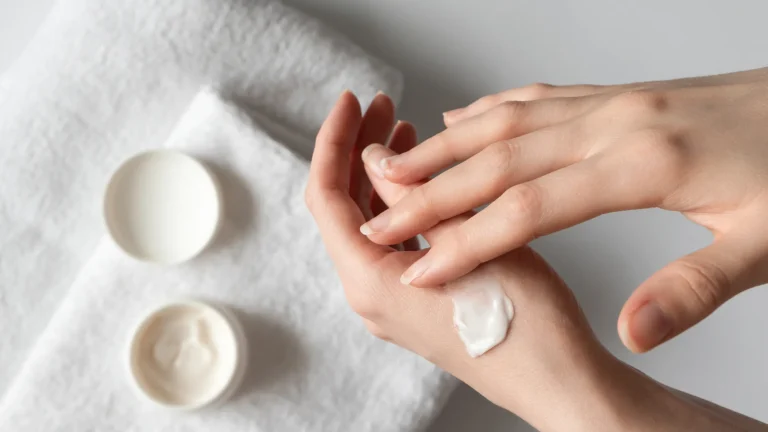

THE skin exposed to daily air conditioning It suffers from constant moisture loss, resulting in dryness, dullness, and sensitivity.
Advertisements
Air conditioning reduces air humidity, forcing the epidermis to give up its natural hydration.
To combat this effect, it is essential to adopt a strategic routine focused on restoring the skin barrier.
In this guide, you will discover the best active ingredients and practical care tips to keep your face healthy, soft, and protected throughout the workday.
In this practical guide, you will learn:
- How does refrigeration affect the physiology of the epidermis?
- The ideal morning and evening routine for staying hydrated.
- The importance of the right active ingredients for the skin barrier.
- Practical tips for creating a suitable environment to enhance your cosmetics.
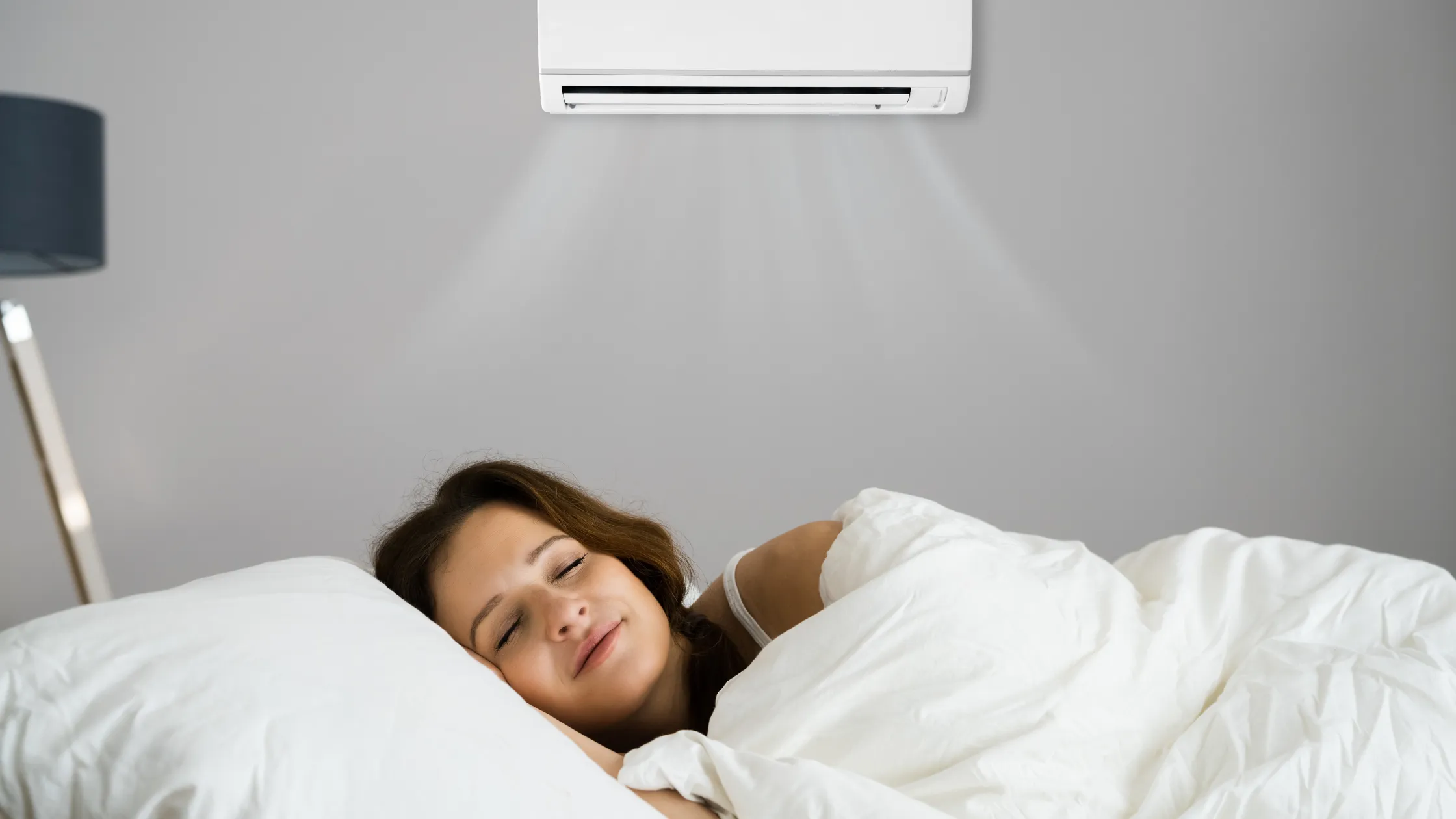
What happens to skin exposed to air conditioning daily?
Continuous exposure to air-conditioned environments accelerates transepidermal water loss.
The cooling system removes moisture from the environment, forcing the skin surface to give up its own hydration to balance the surrounding air.
With relative air humidity below ideal levels, the stratum corneum loses its natural flexibility.
This ongoing process causes dullness, fine flaking, and an uncomfortable feeling of tightness throughout the workday.
Furthermore, the abrupt temperature variation between external and internal environments weakens the skin's microvessels.
This frequent thermal stress promotes sensitivity, redness, and can even lead to the onset of recurrent inflammatory flare-ups.
Why does the skin barrier suffer so much in the office?
The skin barrier is composed of lipids and proteins that retain moisture.
THE skin exposed to daily air conditioning This protection weakens, making the skin susceptible to irritation and premature aging.
Studies published by National Center for Biotechnology InformationStudies show that low humidity environments directly affect filaggrin levels in the skin, a protein essential for maintaining the skin's natural moisturizing factor.
Without proper cosmetic support, sebaceous glands can react in two ways.
They produce excess oil to compensate for dryness or reduce production, leaving the skin extremely reactive, rough, and fragile.
Step by step: the ideal daily routine
To protect the skin exposed to daily air conditioningThe order in which products are applied should prioritize sealing in moisture and strengthening the hydrolipidic film without weighing down the face.
Morning Routine (Protection and Light Occlusion)
Gentle Cleansing: Use a facial cleanser without harsh sulfates to preserve your natural oils.
Antioxidant Serum: Apply vitamin C or niacinamide to combat oxidative stress from the environment.
++ Benefits of plant-based squalane for long-lasting hydration
Double Layer Hydration: Choose moisturizers with hyaluronic acid combined with ceramides.
Moisturizing Sunscreen: Finish with a broad-spectrum sunscreen that contains moisturizing agents.
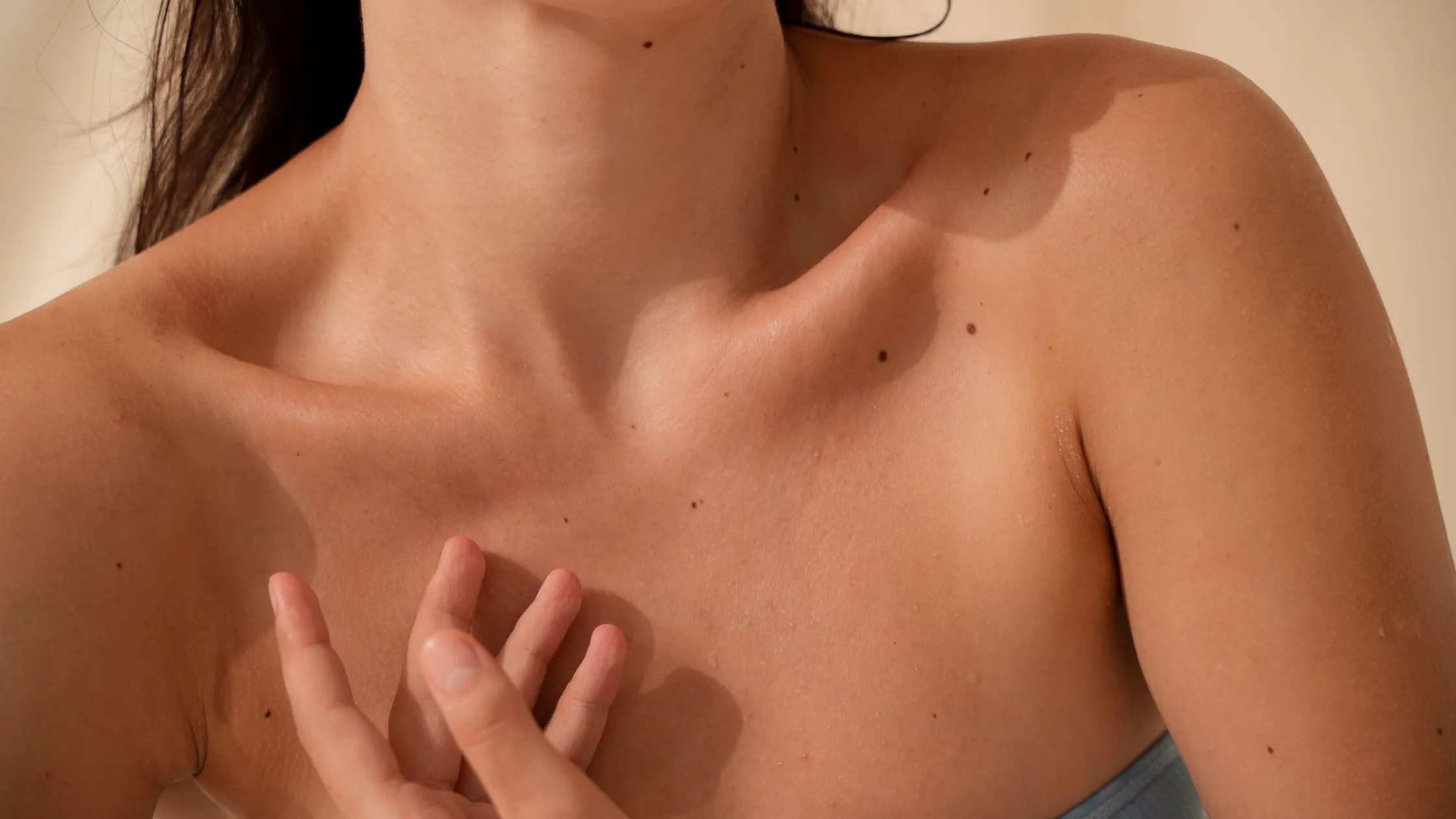
Night Routine (Deep Repair)
Double Cleaning: Remove makeup and dirt with cleansing oil before using soap.
Repair Treatment: Use serums containing panthenol, allantoin, or squalane to soothe the epidermis.
Read more: Pre-shampoo hair care guide to protect dry hair.
Occlusive Cream: Apply a richer moisturizer to restore the barrier while you sleep.
What is the difference between hydration and moisturizing in a cold environment?
Understanding cosmetic ingredients is fundamental to maintaining the skin exposed to daily air conditioning Always healthy.
++ Guide to chocolate brown lipstick trending among celebrities
Hydrating means replenishing water, while moisturizing and occluding mean retaining that water in the tissue.
| Asset Category | Main Function | Examples of Ingredients | Ideal For |
| Humectants | They attract water from the environment to the skin. | Hyaluronic Acid, Glycerin, Panthenol | First layers of the routine |
| Emollients | They fill the spaces between cells. | Ceramides, Squalane, Fatty Acids | Smooth out rough texture |
| Occlusive | They form a sealing physical barrier. | Shea butter, Vegetable oils | Final night stage |
Extra tips to enhance protection during the journey.
Don't rely solely on creams; your surrounding environment also needs adjustments. Place a personal humidifier near your work desk to improve the local microclimate.
Drink water regularly to stay hydrated from the inside out. Spraying facial mists with calming active ingredients throughout the day helps replenish minerals lost through constant evaporation.
Avoid washing your face with hot water after leaving an air-conditioned environment. The thermal shock damages blood vessels and removes the natural protection you've worked hard to build.
How can we prevent premature aging in the office?
Continuous water loss accelerates the appearance of fine lines and accentuates sagging over time.
To prevent premature aging in air-conditioned environments, invest in cosmetics rich in antioxidants, such as vitamin C and resveratrol.
These active ingredients neutralize free radicals and strengthen the structure of the epidermis.
In addition, reapplying moisturizer mid-day ensures that collagen fibers remain protected against chronic dehydration caused by dry air.
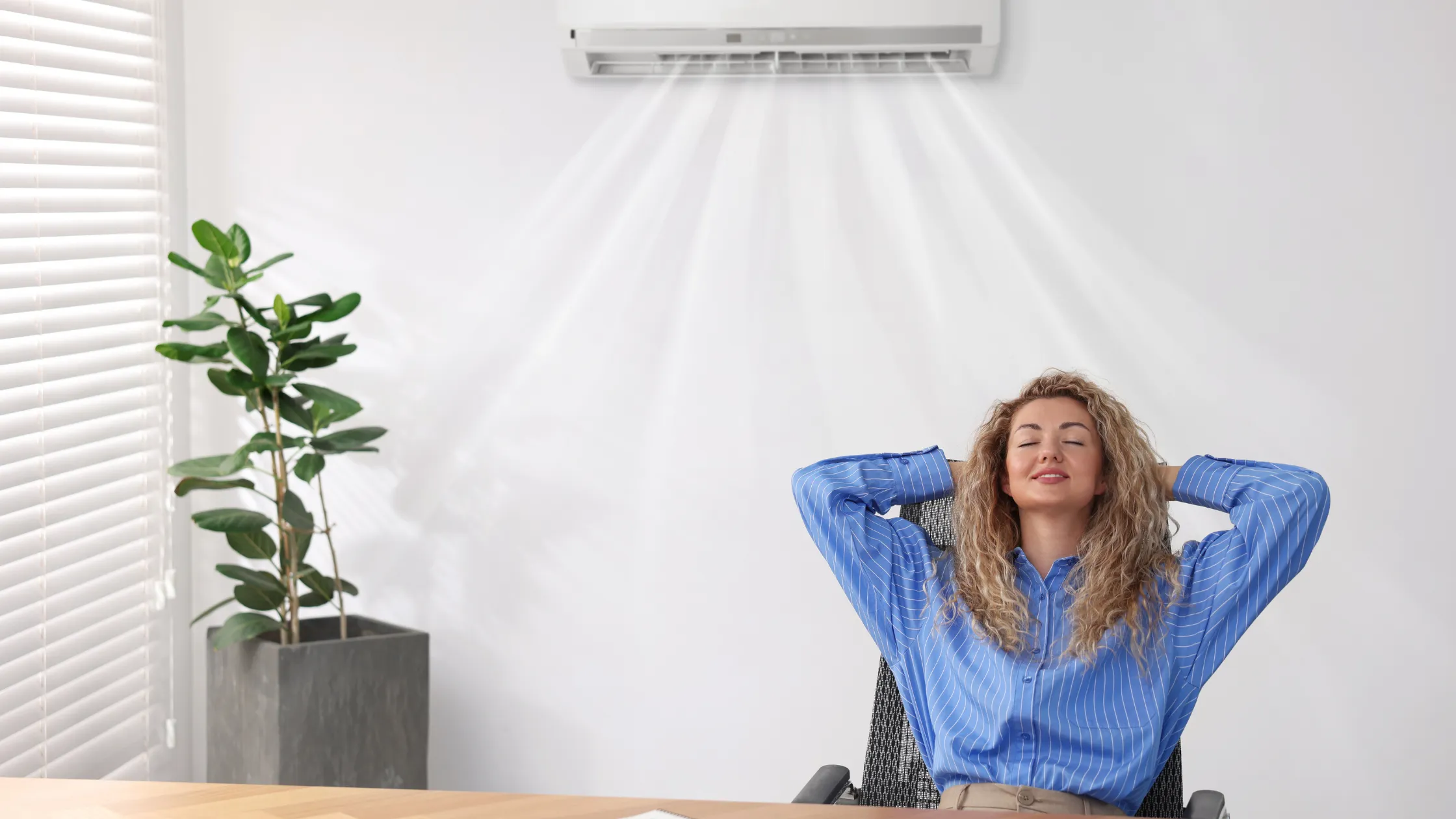
Conclusion
Keep a skin exposed to daily air conditioning It requires consistency and the smart selection of repair products.
Combining moisturizers and emollients ensures a protected, soft epidermis without the feeling of constant tightness.
Adopting simple habits in the corporate environment complements the daily use of your cosmetics.
For more official guidance on indoor air quality, please consult the National Health Surveillance Agency.
Start adapting your skincare routine today and feel the difference in the texture and vitality of your face throughout the week.
Frequently Asked Questions
Can I use thermal water in an air conditioner without applying moisturizer afterwards?
It is not recommended. Sprayed water without a sealant on top evaporates quickly, drawing even more natural moisture from your skin's surface into the dry air.
Do people with oily skin need to worry about air conditioning?
Yes, absolutely. Dry air can cause a rebound effect, making the skin produce even more oil to try to compensate for the lack of transepidermal water.
What is the best active ingredient for skin exposed to daily air conditioning?
The combination of hyaluronic acid and ceramides is perfect. The former attracts and retains water, while the ceramides restore the protective barrier against dryness.
How can I avoid cracked makeup at work?
Hydrate your face well before applying foundation and opt for fluid formulas with a luminous finish. Avoid excessive use of pressed powder during air-conditioned work hours.
++ Effects of air conditioning on your skin: how to protect yourself?