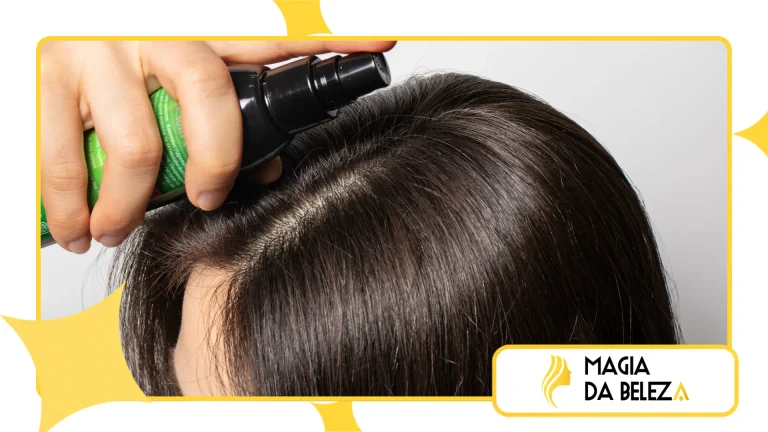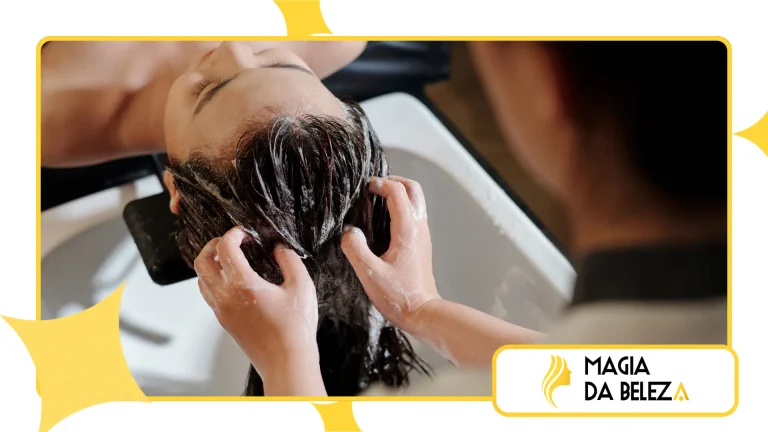

Find Sulfate-free products for healthier hair It has gone from being a niche for "low poo" enthusiasts to becoming the central strategy for those who have finally understood that cleanliness should not be synonymous with corrosion.
Advertisements

Summary
- The foam fallacy: the invisible cost of sulfates.
- Labels without mystery: what really cleans
- Hair biology and oil stabilization
- High-performance substitutes in modern cosmetology
- Technical analysis of sanitizing agents
- Perspectives and FAQs
The foam fallacy: the invisible cost of sulfates.
There's something almost hypnotic about the abundant lather of a conventional shampoo, but that clean, "snapping" sensation between your fingers hides an aggressive chemical process.
Sulfates, such as the ubiquitous Sodium Lauryl SulfateThey act like industrial detergents that do not distinguish between environmental dirt and the vital lipids that maintain the integrity of the hair fiber.
By removing this lipid barrier, the hair becomes vulnerable, the cuticles lift, and the shine disappears under a rough texture.
The transition to Sulfate-free products for healthier hair It interrupts this degradation cycle, preserving the scalp microbiome — a sensitive ecology that rarely receives the attention it deserves until persistent irritation or flaking occurs.
Labels without mystery: what really cleans
Deciphering the ingredient list (INCI) requires a critical eye to avoid falling into marketing traps that promise gentleness but deliver masked substances.
The secret lies in seeking out glycosides, such as Decyl Glucoside or Lauryl Glucoside, which are derived from plant sources and respect the physiology of the hair without exacting the price of severe dryness.
Another silent protagonist is the Sodium Cocoyl IsethionateKnown technically for its very low irritancy, it manages to cleanse impeccably, maintaining the silky feel that sulfates take away.
++ Scalp care routine for healthy hair and reduced hair loss.
If the ingredient ends in "-sulfonate," be wary; although they are not strictly sulfates, many act with a very similar aggressiveness, frustrating those seeking a genuinely gentle routine.
Hair biology and oil stabilization
The biggest paradox of using strong shampoos is the rebound effect: the more you remove natural oils, the harder the scalp works to replace them in excess. The result is a vicious cycle of oily roots and split ends.
By adopting Sulfate-free products for healthier hairBy signaling to the body that lipid protection is preserved, you stabilize sebum production.
Hair science in 2026 confirms that maintaining a slightly acidic pH is key to preventing breakage and premature aging of hair follicles.
For a deeper technical understanding of scalp pathologies and the impact of external agents, it is worth consulting the updated guidelines of [organization name]. Brazilian Society of Dermatology, which bases hair care on robust biological evidence.
High-performance substitutes in modern cosmetology
Current cosmetic technology has evolved towards amphoteric surfactants, intelligent molecules that have an affinity for both residues and water.
Betaines and sarcosinates are now at the forefront of premium formulations, delivering a rich sensory experience.
The foam is different — creamier and denser — indicating that the cleaning occurs through affinity, not abrasion.
These active ingredients allow other nutrients in the formula, such as amino acids and vitamins, to remain in the hair instead of being washed away.
Opt for Sulfate-free products for healthier hair It's a preventative investment.
Read more: Advantages of clarifying shampoo for cleaner hair.
Instead of spending a fortune on reconstruction masks to remedy damage caused by improper cleansing, you preserve the original keratin from the start of the process.

Technical analysis of sanitizing agents
Understanding the potential of each substance allows for autonomous choices. The table below reflects the current consensus on the impact of the main cleansing agents on hair structure.
| Cosmetic Active | Chemical Profile | Impact on Fiber | Dermatological Safety |
| Sodium Lauryl Sulfate | Strong Anionic | Severe degreasing | Potential irritant |
| Cocamidopropyl Betaine | Amphoteric | Conditioning cleansing | High tolerance |
| Decyl Glucoside | Non-ionic | Respect the lipid barrier | Excellent |
| Sodium Lauroyl Methyl Isethionate | Mild Anionic | Protects color and keratin. | Very Safe |
| Ammonium Laureth Sulfate | Anionic | It breaks the hydrogen bonds. | Moderate/Low |
The moment of transition and managing expectations.
Switching to gentle formulas requires a brief sensory adaptation period.
In the first few washes, it's common to feel your hair "different," almost as if there's a residue, but it's just the hair strand freeing itself from its dependence on heavy silicones that previously tried to mask the damage from sulfates.
Curly and frizzy hair feels the benefit immediately, as its natural geometry already makes it difficult to moisturize the ends.
The use of Sulfate-free products for healthier hair It's non-negotiable for those with chemically treated hair.
The harshness of common detergents opens the cuticles and expels color pigments or straightening agents.
++ Sensory well-being strategies to elevate your mood.
By choosing a gentler finish, you prolong the salon results and maintain color vibrancy for much longer, saving on unnecessary touch-ups.
Frequency and method: the new etiquette of bathing
With gentle formulas, washing becomes less of a burden. You can cleanse your hair as needed according to your lifestyle without fear of thinning or breakage.
The application should be focused on the scalp, where dirt really accumulates, allowing the length of the hair to receive only a gentle dilution of the product during rinsing.
This approach preserves the ends, which are the oldest and most fragile part of the hair. Choosing Sulfate-free products for healthier hair It's an exercise in patience that pays off in a few weeks.
The resulting shine is not the artificial reflection of a finishing oil, but the real shine of a healthy, polished hair fiber that is properly nourished by the body's own biology.

Perspectives and the future of self-care: Sulfate-free products for healthier hair.
The pursuit of natural beauty requires discarding excess chemicals that promise instant results but exact a high price on hair health.
Understanding that shampoo is the most critical step in the routine redefines the entire hair care pyramid.
When cleansing is done intelligently, the rest of the hair care routine becomes simpler, smoother, and more efficient.
Conscious consumption in 2026 prioritizes biodegradable formulas that do not harm the oceans or our own skin.
Ultimately, the simplicity of a balanced composition triumphs over the complexity of detergent formulas overloaded with ingredients.
To monitor regulatory updates on the safety of cosmetic ingredients in Brazil, always follow the technical notes from [the relevant authority/organization]. Anvisa, ensuring that your routine is aligned with global best practices.
FAQ – Direct Answers
1. Does sulfate-free shampoo really clean pollution and styling product residue?
Yes. Modern surfactant technology can effectively attract and remove both fat-soluble and water-soluble impurities without needing to "scrape" the surface of the hair strand.
2. Why do some sulfate-free products not lather at all?
Foam is merely an aesthetic reaction to certain active ingredients. Cleaning occurs through the action of surfactant molecules that surround the dirt, regardless of the presence of air bubbles.
3. Can I use sulfate-free shampoo if I have a very oily scalp?
Yes, and it's highly recommended. This helps to re-educate the sebaceous glands, preventing the cycle of dryness and overproduction of oil caused by harsh detergents.
4. Are these products more expensive?
Historically they were, but with the popularization of plant-based assets in 2026, the Brazilian market offers excellent options with competitive prices and high yield.
++ Affordable Sulfate-Free Shampoo: 10 More Natural Options
++ Sulfate-free shampoo: 5 reasons to choose a sulfate-free shampoo