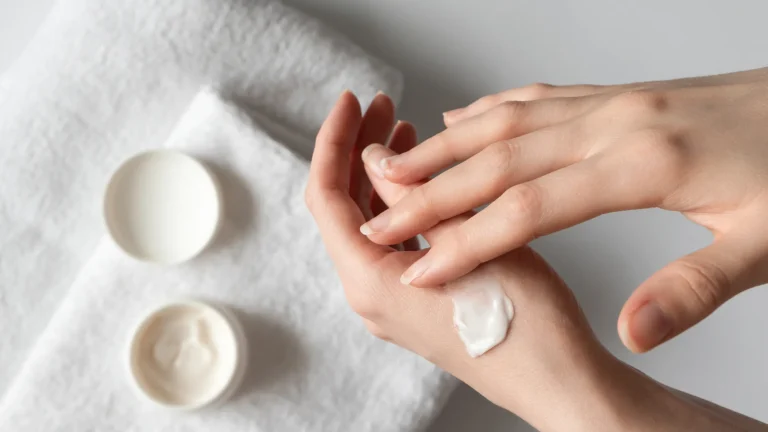

THE facial exfoliation It renews the skin, removes dead cells, and improves the absorption of daily cosmetics. Understanding the right time ensures a healthy, radiant face, completely free from irritation.
Advertisements
Many people make the mistake of using the wrong frequency and end up damaging the skin barrier with products that are too harsh.
Discovering your individual tolerance prevents the dreaded rebound effect and severe skin inflammation.
The secret to success lies in combining the right method with your specific skin type. In this article, you will learn exactly how to create a balanced and highly safe routine.
- Real benefits of daily cell renewal.
- How to identify your ideal type of exfoliator.
- Recommended frequency for each skin type.
- Warning signs of excessive aggression.
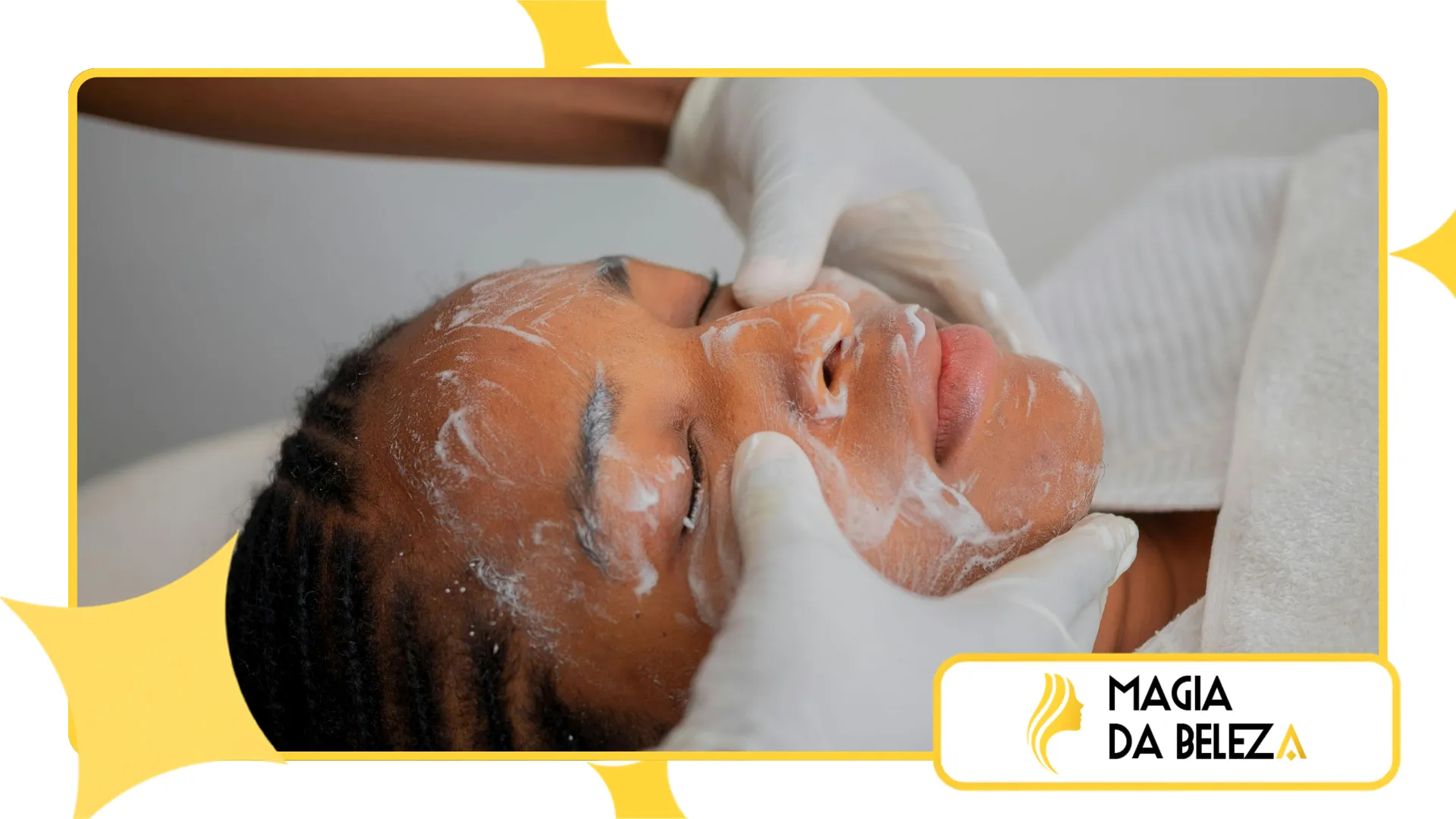
What is skin renewal and how does it work?
Our skin naturally replaces cells in cycles of approximately twenty-eight consecutive days.
However, aging and pollution often delay this natural process of daily cell renewal.
When performing the facial exfoliationYou accelerate this peeling process mechanically or purely chemically.
This quickly unclogs pores and prevents the unwanted appearance of blackheads and inflamed pimples.
Dermatologists confirm that the technique stimulates collagen production in the long term.
Thus, the texture of your face gains more firmness, smoothness, and a truly unparalleled luminosity today.
Types of Exfoliants: What's the Practical Difference?
There are three main categories available in today's advanced beauty and aesthetic health market.
Knowing each of them makes choosing the perfect cosmetic for your face much easier.
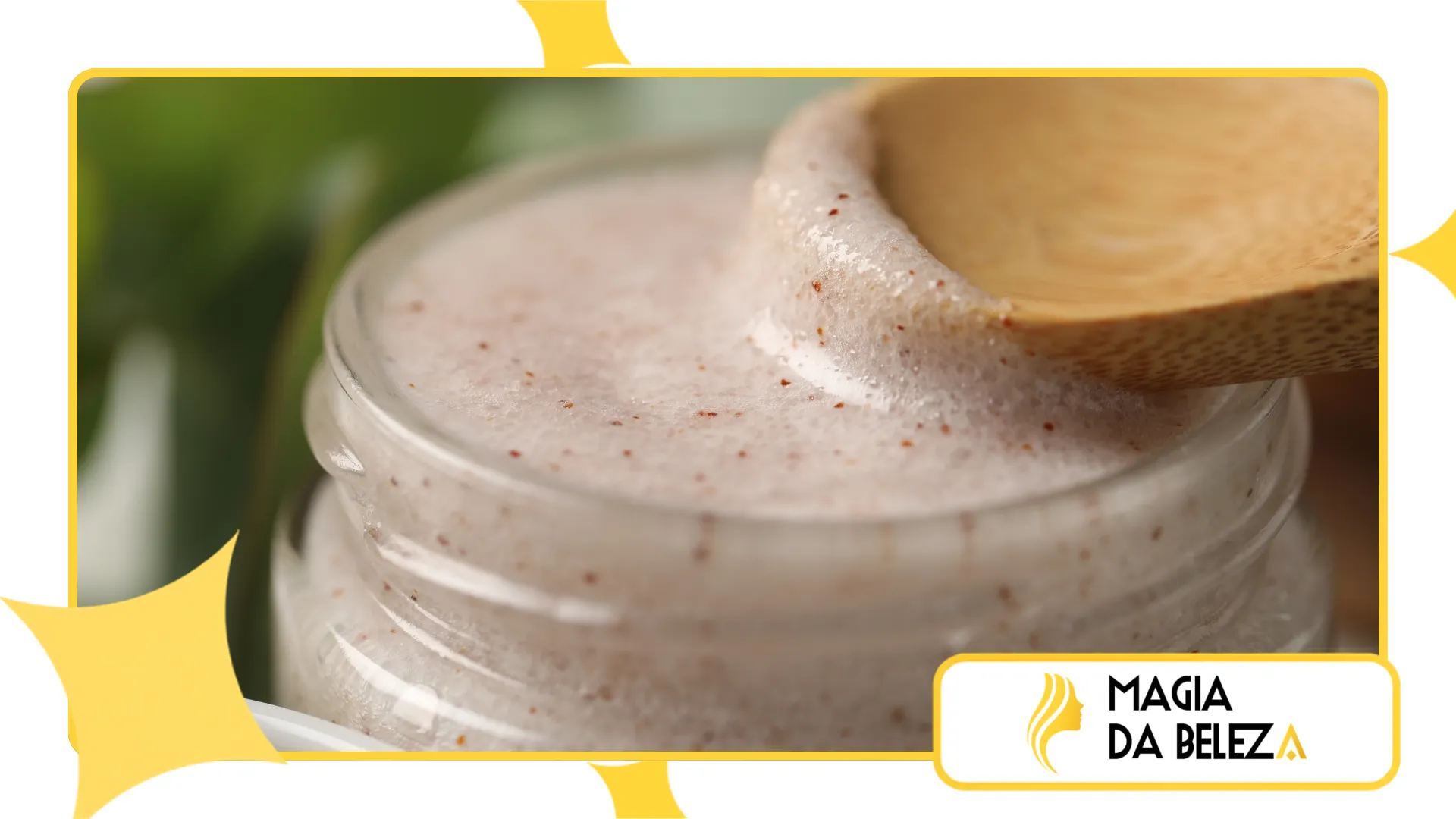
The physical method uses small granules to remove surface buildup through direct friction.
It delivers immediate results, but requires a light touch to avoid causing micro-cracks in the protective barrier.
The chemical method, on the other hand, uses specific acids, such as glycolic and salicylic acids, in its composition.
These substances dissolve the bonds between dead cells without the need for any manual rubbing.
The enzymatic method uses active ingredients derived from fruits, such as papaya and pineapple, for gentle renewal.
This option offers very high tolerance, making it the number one recommendation for sensitive or reactive skin.
When and how often should I perform the procedure?
The ideal frequency depends entirely on your genetic characteristics and the current state of your face.
Following a fixed schedule helps maintain balance and avoids overloading the skin tissue.
Oily skin types typically tolerate the procedure up to twice a week with an excellent safety margin. Beta-hydroxy acids are a favorite in this scenario because they deeply cleanse pores.
Dry skin requires considerable caution and much longer intervals between weekly applications of products.
Experts recommend applying it only once every two weeks to keep hydration always intact.
According to recent guidelines from Brazilian Society of Dermatology (SBD)Exaggeration compromises the protective barrier.
Post-procedure hydration becomes mandatory to quickly restore the surface layer after any aggressive stimulus.
Clear Signs That You've Crossed the Line
Excessive enthusiasm for quick results often leads to the misuse of cosmetic enhancement products.
This practice destroys the natural lipid layer and leaves the face vulnerable to opportunistic bacteria.
Intense redness, burning sensation when applying basic creams, and severe peeling are the first warning signs from the body.
Ignoring these symptoms worsens the condition and can lead to dark spots that are difficult to treat in the future.
The sensation of tight, excessively shiny skin indicates severe transepidermal water loss.
Discontinue use of any acid or granule products immediately if you notice this plasticky texture in your morning mirror.
Restoring skin health requires a complete focus on repairing ingredients, such as ceramides and hyaluronic acid.
++ Guide to glycated skin and how to prevent loss of facial firmness.
Leave the facial exfoliation Set aside until the protective barrier has fully recovered.
Comparative Chart: Ideal Frequency and Active Ingredients by Skin Type
| Skin Type | Maximum Frequency | Most Recommended Assets | Main Action |
| Oily | 2 times a week | Salicylic Acid | Pore control |
| Dry | Once every 15 days | Lactic Acid | Hydrating Renewal |
| Sensitive | Once a week | Fruit enzymes | Frictionless removal |
| Mixed | 1 to 2 times a week | Glycolic Acid | General balance |
Essential Post-Procedure Care
Your skincare routine doesn't end the moment you rinse your face.
The newly renovated fabric needs maximum protection against environmental aggressors and harmful sun rays.
Apply a soothing hydrating serum immediately after gently drying your face with a soft towel.
Ingredients such as panthenol and centella asiatica reduce microscopic inflammation and instantly restore comfort.
Sunscreen with a high protection factor becomes essential in the days following treatment.
New skin can easily suffer severe burns if left unprotected in the sun.
Avoid mixing strong active ingredients in the same routine to minimize the risk of contact dermatitis.
Read more: How to use ectoine skincare for urban skin protection
Retinoic acids or pure vitamin C should be avoided for at least a full day after the procedure.
The Impact of Pollution and Climate in 2026
The increase in urban air pollution documented in 2026 has made deep cleaning an absolute necessity.
Dust particles cause severe oxidative stress and rapidly accelerate premature aging.
A smart renewal routine helps remove these toxins before they cause cellular damage.
++ Eco-friendly beauty makeup techniques and vegan products
However, extreme climate change demands careful observation so as not to further sensitize an already worn face.
Common Myths About Dead Cell Removing
Many urban legends still circulate on the internet about the best methods for whitening the face.
Homemade recipes using granulated sugar or ground coffee are among the worst pieces of advice ever shared.
Irregular food particles mercilessly scratch the skin, causing microscopic lesions that are difficult to heal.
Cosmetics formulated in laboratories contain perfectly spherical particles to ensure maximum consumer safety.
Conclusion
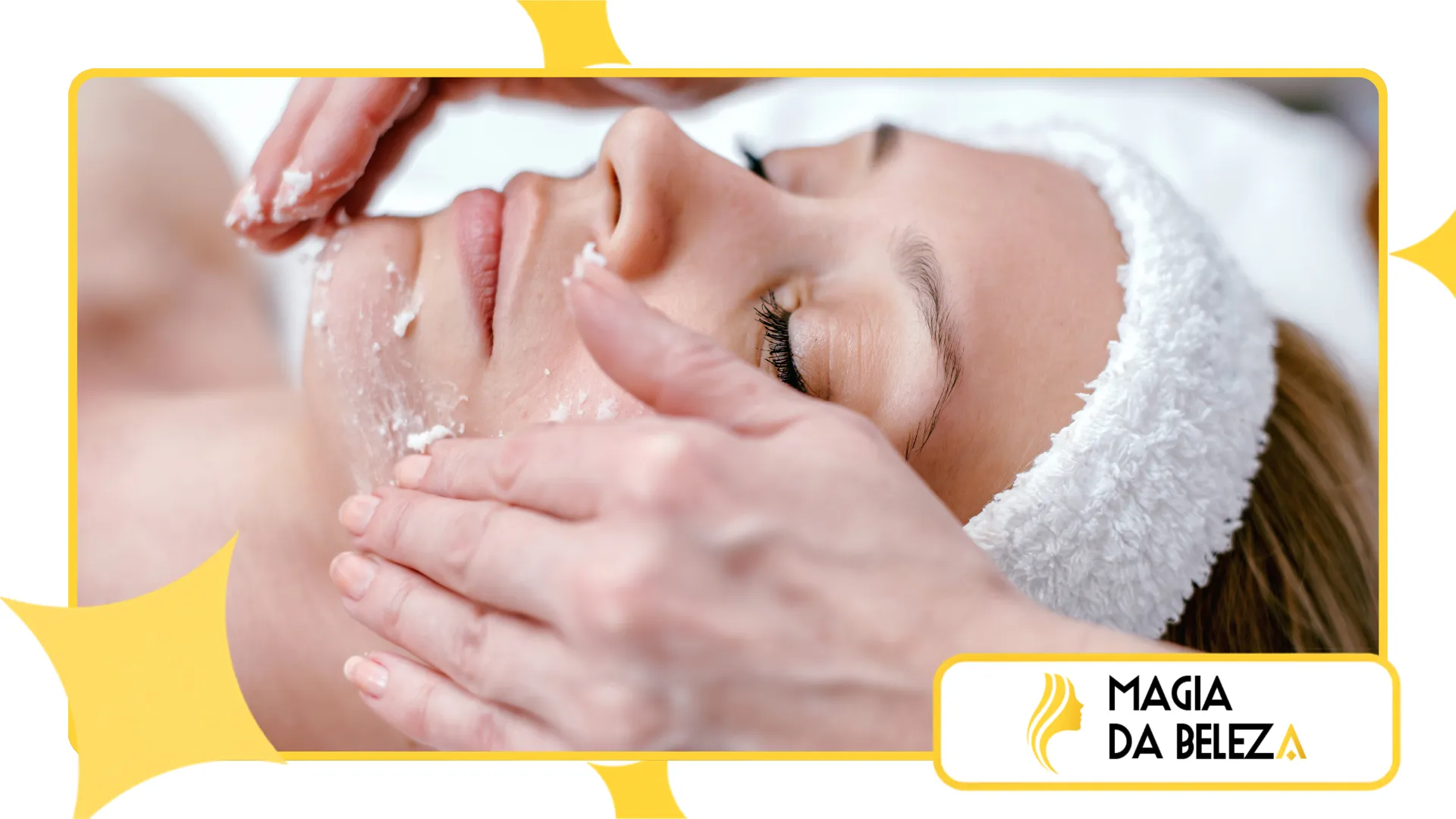
Adopt the facial exfoliation The correct technique completely transforms the texture and luminosity of your skin.
Simply respect your body's natural signals and choose ingredients that are right for your needs.
Moderation is the key to maintaining a truly strong and resilient skin barrier.
Invest in practical knowledge, observe daily reactions, and enjoy a consistently healthy face.
Frequently Asked Questions
1. Can I do the facial exfoliation Do you have inflamed pimples?
Dermatologists advise avoiding physical exfoliants on active lesions to prevent spreading bacteria to the rest of the face.
Opt for liquids containing salicylic acid, as it reduces acne inflammation without the need for rubbing.
2. What is the right age to start rejuvenating treatments?
Teenagers can start using gentle products under professional guidance to control excessive oiliness.
According to American Academy of Dermatology (AAD)Medical supervision prevents irreversible damage during growth.
3. What should I do if my face gets very red?
Stop any abrasive treatment immediately and wash the affected area with plenty of cold water.
Apply generous layers of healing creams and wait for the irritation symptoms to completely subside.
++ How to properly exfoliate acne-prone skin.
++ Exfoliation with tools: how to use them to your advantage without overdoing it.