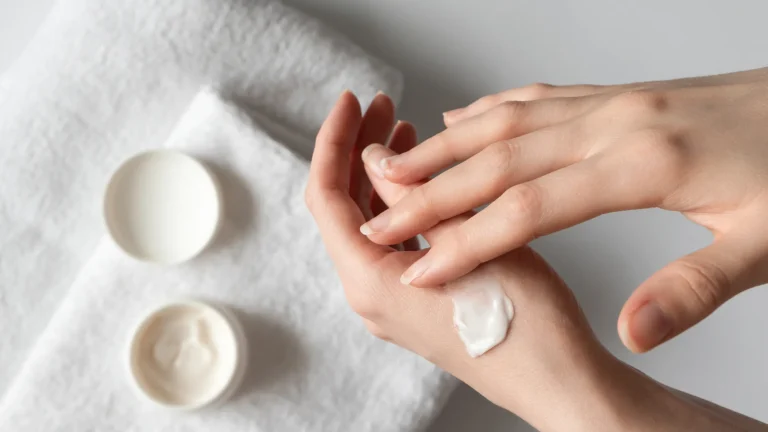

Winter can be a real challenge for your skin. Low temperatures and low humidity can cause dryness, sensitivity and irritation.
Advertisements
Many people feel their skin is drier, rougher and even flaky during this season. Therefore, it is essential to adopt a specific skincare routine. winter skin care to keep it healthy and radiant.
Therefore, in today's text we present effective strategies to face these problems and take good care of your skin during the cold months.
Don't miss it!
Why does the skin need special care in winter?

In winter, your skin faces a variety of factors that can compromise its health and appearance. Cold, dry air strips your skin of its natural moisture, while strong winds can cause irritation and sensitivity.
At home, the constant use of heaters also contributes to dry skin, creating an adverse environment both outside and at home.
The main skin problems in winter include, for example, dryness. This is caused by the lack of humidity in the air and exposure to cold.
As a result, the skin's ability to retain water is diminished, resulting in dry, flaky skin.
Other problems also include:
- Cracks: Areas such as lips, hands and feet are especially prone to cracking due to extreme dryness.
- Peeling: Loss of moisture can lead to flaking, leaving skin looking rough and dull.
To avoid these problems, see below some skin care tips for winter that you adopt in your routine.
1. The importance of hydration in winter

Hydration is the basis of winter skin care. With drier air and constant use of heaters, the skin loses moisture more quickly.
This can lead to a feeling of tightness and the appearance of cracks and flaking. To combat this problem, it is important to choose moisturizers that are thicker and rich in ingredients that help retain moisture in the skin, such as hyaluronic acid and ceramides.
A recent survey by the American Dermatological Association found that 60% of people who used winter-friendly moisturizers saw significant improvements in their skin's texture and appearance in just two weeks.
Therefore, investing in a good moisturizer is not just a question of aesthetics, but of skin health.
| Moisturizing Ingredients | Main Benefits |
|---|---|
| Hyaluronic Acid | Retains moisture |
| Ceramides | Repairs the skin barrier |
| Glycerin | Draws moisture to the skin |
| Shea Butter | Nourishes and softens |
2. Sun protection: essential even in winter
Many people underestimate the importance of sunscreen during the winter, believing that the sun is not as strong.
However, UV rays continue to cause damage to the skin, even on cloudy, cool days. Exposure to UV rays can lead to premature aging and increase the risk of skin cancer.
Therefore, daily application of a broad-spectrum sunscreen is a crucial step in winter skin care.
Choose a sunscreen with SPF 30 or higher and reapply every two hours if you're outdoors.
Additionally, opt for products that contain antioxidants, such as vitamins C and E, for an extra benefit in protecting against environmental damage.
3. Special care for the most sensitive areas
Some areas of the body, such as the lips, hands, and feet, are especially vulnerable during the winter. Lips can crack easily, and hands and feet tend to be drier.
Use lip balms with nourishing ingredients like cocoa butter and coconut oil to keep your lips moisturized and protected.
Hands also deserve special attention. Frequent washing and the use of disinfectants can further dry out the skin.
Apply a hand cream that contains urea and lanolin, which help retain moisture and repair the skin barrier.
For your feet, opt for creams rich in urea, which help to soften and moisturize the skin. Apply generously at night and wear cotton socks to enhance absorption.
+ Skincare for mature skin: how to do it?
4. Winter skin care: Nutrition and internal hydration

Maintaining a balanced diet and good internal hydration are essential parts of skin care in winter.
Eating foods rich in omega-3 fatty acids, such as fish and chia seeds, can improve skin health, making it more resistant to dryness.
Additionally, drinking plenty of water helps keep your skin hydrated from the inside out. Water is essential for all of your body’s functions, including keeping your skin healthy and hydrated.
As renowned dermatologist Dr. Howard Murad said, “The water you drink is just as important as the water you put on your skin.”
5. Hot baths: Pleasure and risk
Hot showers are tempting in winter, but they can be harmful to your skin.
This is because hot water removes the skin’s natural oils, leaving it even drier and more sensitive.
So, to avoid this problem, opt for warm baths and avoid long periods of exposure to hot water.
After bathing, gently pat yourself dry with a towel, without rubbing, and apply moisturizer immediately. This helps seal moisture into the skin, providing more effective hydration.
6. Winter Skin Care: Wear Appropriate Clothing
The clothes we wear in winter can also impact the health of our skin. Rough, synthetic fabrics can irritate the skin, while natural materials like cotton and merino wool are softer and allow the skin to breathe.
Avoid prolonged use of wet clothing, such as gloves and socks, which can cause irritation and cracked skin.
Conclusion
Adopt proper skin care in winter is essential to maintain healthy and radiant skin.
For example, intensive hydration, continuous sun protection, special care for sensitive areas and a balanced diet are essential steps.
So, be sure to incorporate these practices into your daily routine, it will ensure that your skin stays protected and beautiful throughout the season.
By following these recommendations, you'll be well on your way to facing winter with healthy, vibrant skin.
Don't let the cold weather compromise the health and beauty of your skin. Adopt these practices and enjoy radiant skin even on the coldest days.