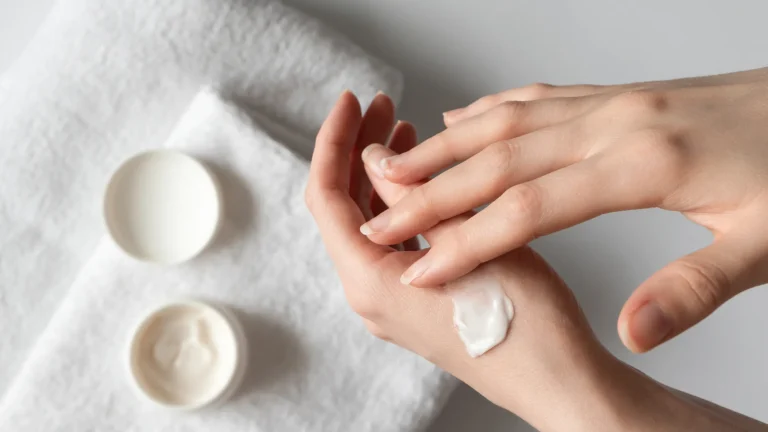


Taking care of your skin starts with the basics. But the basics, when done carefully, transform everything. Learning how to clean your face properly It is not just a step in the beauty routine. It is a moment of pause. Of conscious touch. Of silent listening to what the skin is telling you.
Advertisements
Many people believe that all it takes is a soap and a rinse with water. However, when cleansing your skin with care and intention, it can prepare it to breathe better, receive treatments more effectively and maintain the balance between oiliness and hydration.
The skin on your face is sensitive. It is exposed all the time. It faces wind, pollution, makeup, sunscreen, sweat. All of this builds up. And when it is not removed properly, it affects the texture, shine and even the health of your skin.
Therefore, more than a hasty habit, cleaning your face correctly is a ritual of presence. A small gesture that, repeated consciously, transforms the way you look in the mirror.
Why is Skin Cleansing So Important?
The skin breathes. Even without realizing it, it eliminates toxins, regulates temperature and responds to stimuli all the time. When the pores are clogged, this natural functioning is compromised.
The invisible dirt of everyday life is not harmless. It mixes with the skin's sebum, forming a thick layer and preventing the skin from absorbing treatment products. In addition, it can cause acne, blackheads and inflammation.
Properly cleansing your face is the first step for any other skincare routine to work. It paves the way for toner, moisturizer, serum, and sun protection. Without this well-done foundation, the other steps lose their potency.
Cleansing prepares. Awakens. Rebalances.
Understanding Your Skin Before Choosing a Product
Each skin has its own rhythm. Its own way of reacting to heat, cold, and touch. And when you start paying attention to this, you understand that there is no universal formula. What works for one person may unbalance another.
Those with oily skin need formulas that cleanse deeply without causing damage. Those with dry skin need softer textures that respect the skin's natural barrier. Sensitive skin requires hypoallergenic formulas with less fragrance and soothing ingredients.
Cleansing your face properly also involves knowing what you are putting on your skin. Reading the label. Understanding the active ingredients. Choosing wisely. Because the simpler the product, the greater the chance that it will work gently.
The skin speaks. And when you listen, you get it right much more easily.
Water Temperature Makes a Difference Too
This detail goes unnoticed by many people, but it has a direct impact on the cleaning result.
Hot water may feel like a deep clean, but it aggressively strips your skin of its natural oils. This stimulates the production of more sebum, which can cause rebound in oily skin and dryness in dry skin.
Cold water, on the other hand, does not adequately remove residue. Warm water is ideal. It cleans without damaging the skin, helps to slightly open the pores and prepares the skin for the next steps.
Read also: Nighttime Secrets to Wake Up with Radiant Skin
The Face Is Not a Surface — It Is a Territory
Each area of the face has different needs. The T-zone tends to be oilier. The cheeks are more sensitive. The eye area is delicate and requires extra care.
Cleansing your face correctly also means respecting these differences. Use gentle movements, from the inside out. Massage with your fingertips, without rushing. Rinse patiently.
It's a moment of connection. It's not about rubbing. It's about touching with awareness.
When the touch changes, the skin responds. When the intention changes, the routine becomes real care.
The Towel You Use Matters Too
Many people do a good cleaning and ruin everything in the end.
Using the same towel that you use for your body, whether rough or damp, can transfer bacteria to your face. Ideally, you should have a dedicated towel that is clean and soft. Use it with light touches, without rubbing.
Drying your face is just as important as washing it. It’s the gesture that ends the process gently — or aggressively. The choice is yours.
And the skin feels the difference.
The Ideal Frequency for Each Skin Type
More isn’t always better. Properly cleansing your face also involves knowing when to stop. How often you wash your skin can determine whether it stays balanced or enters a cycle of dryness and excess oil.
Oily skin tends to accumulate more sebum throughout the day. In these cases, cleansing twice a day — morning and night — usually works well.
But this is only valid when the product used is gentle and does not harm the skin's natural barrier. If it is too aggressive, the body will see it as a threat and respond by producing even more oil.
For dry skin, the logic is reversed. Excessive cleansing removes the little protection the face still has.
In these cases, washing only at night, or alternating days with more moisturizing products, may be the best choice. The focus needs to be on preserving what already exists, and not on removing more.
Sensitive skin needs even more attention. Redness, itching and tightness are clear signs that something is out of balance.
A single cleansing session a day, with warm water and soothing formulas, may be enough to maintain healthy skin.
Frequently Asked Questions About How to Cleanse Your Face Properly
Should I use a specific facial soap or will regular soap do the trick?
Regular soaps can unbalance your skin's pH. Ideally, you should use a product specifically designed for your face and your skin type.
Does micellar water replace washing with soap?
It helps with cleaning, but it does not replace traditional washing. It can be used as a complement, especially in the morning or to remove makeup.
Does exfoliating your face help with cleansing?
Yes, but in moderation. Once or twice a week, depending on the sensitivity of your skin, is enough. Exfoliating too much can cause micro-injuries and irritation.
Is it necessary to clean your face even without makeup?
Yes. Your skin accumulates dirt, sweat, oil and pollution throughout the day, even without makeup. Cleansing helps maintain balance.
Can I use baby wipes as a quick fix?
They are not a substitute for thorough cleansing. They should only be used in specific situations when it is not possible to wash your face properly.