
THE anti-inflammatory diet It has become the main nutritional strategy for those seeking to regain vitality and eliminate routine chronic fatigue.
Advertisements
If you wake up feeling lethargic, the problem may be related to a latent and silent inflammatory process.
In this article, you will understand the impact of food on your energy levels. We will discuss the concept of a regenerative diet, the science behind cellular energy, and a practical guide for your day.
What is an anti-inflammatory diet and how does it work?
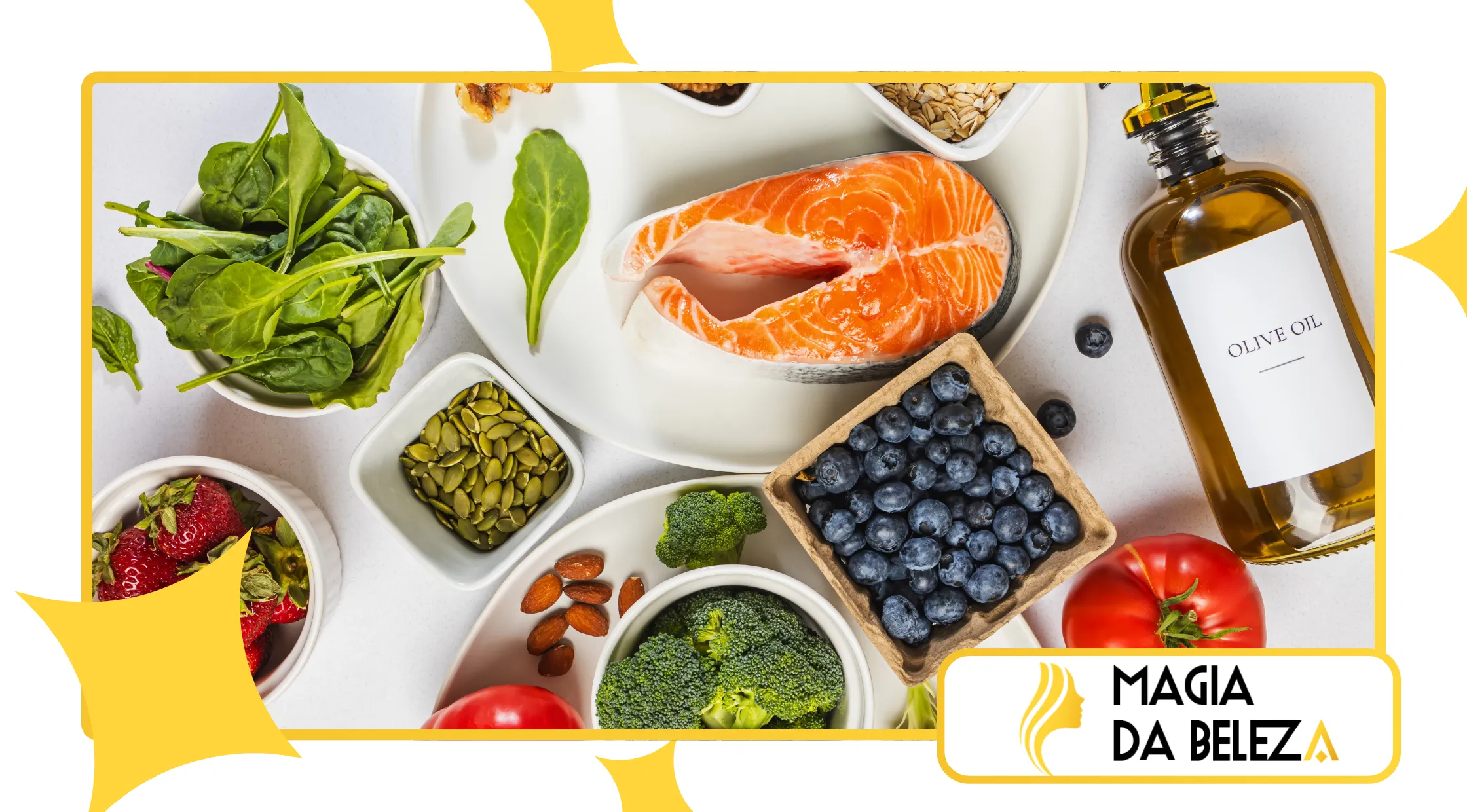
The model focused on anti-inflammatory diet It prioritizes the consumption of real food, rich in antioxidants, polyphenols, and highly beneficial healthy fats.
It works by reducing the production of pro-inflammatory cytokines, molecules that overwhelm the immune system and rob the body of energy.
Unlike restrictive, temporary diets, this approach seeks continuous metabolic balance through strategically selected nutrients.
By reducing cellular oxidative stress, the body directs energy resources toward daily activities instead of fighting inflammation.
Specific nutrients such as omega-3 and flavonoids act by modulating gene expression related to systemic inflammation.
This results in a much more efficient metabolism, with less mood swings and a significant improvement in physical fitness.
Why does chronic inflammation cause excessive tiredness and fatigue?
When the body remains inflamed due to poor dietary choices, energy production in the mitochondria is severely reduced.
These cellular power plants lose efficiency, generating a state of chronic fatigue that no amount of rest can completely reverse.
Excessive consumption of ultra-processed foods and refined sugars damages the intestinal barrier, allowing toxins to enter the bloodstream.
This scenario forces the immune system to work constantly, consuming the energy reserves that should sustain its productivity.
Studies published in the scientific database National Library of Medicine PubMed They demonstrate the direct connection between elevated inflammatory markers and the incidence of severe physical and mental exhaustion.
How do the right foods increase mitochondrial energy?
The practical adoption of anti-inflammatory diet It provides the essential cofactors for mitochondria to produce ATP optimally.
Magnesium, coenzyme Q10, and B vitamins play a direct role in this process of cellular energy conversion.
Dark leafy greens, seasonal red fruits, and spices like turmeric contain active compounds that neutralize free radicals.
This cellular protection preserves mitochondrial integrity, ensuring a constant flow of vitality throughout the day.
Read more: How to control generalized anxiety symptoms in daily life.
By stabilizing blood glucose levels with fiber and good quality fats, you avoid sudden spikes and drops in insulin. This hormonal stability ensures that the brain and muscles receive fuel in a linear and predictable way.
What foods should I prioritize to combat daily fatigue?
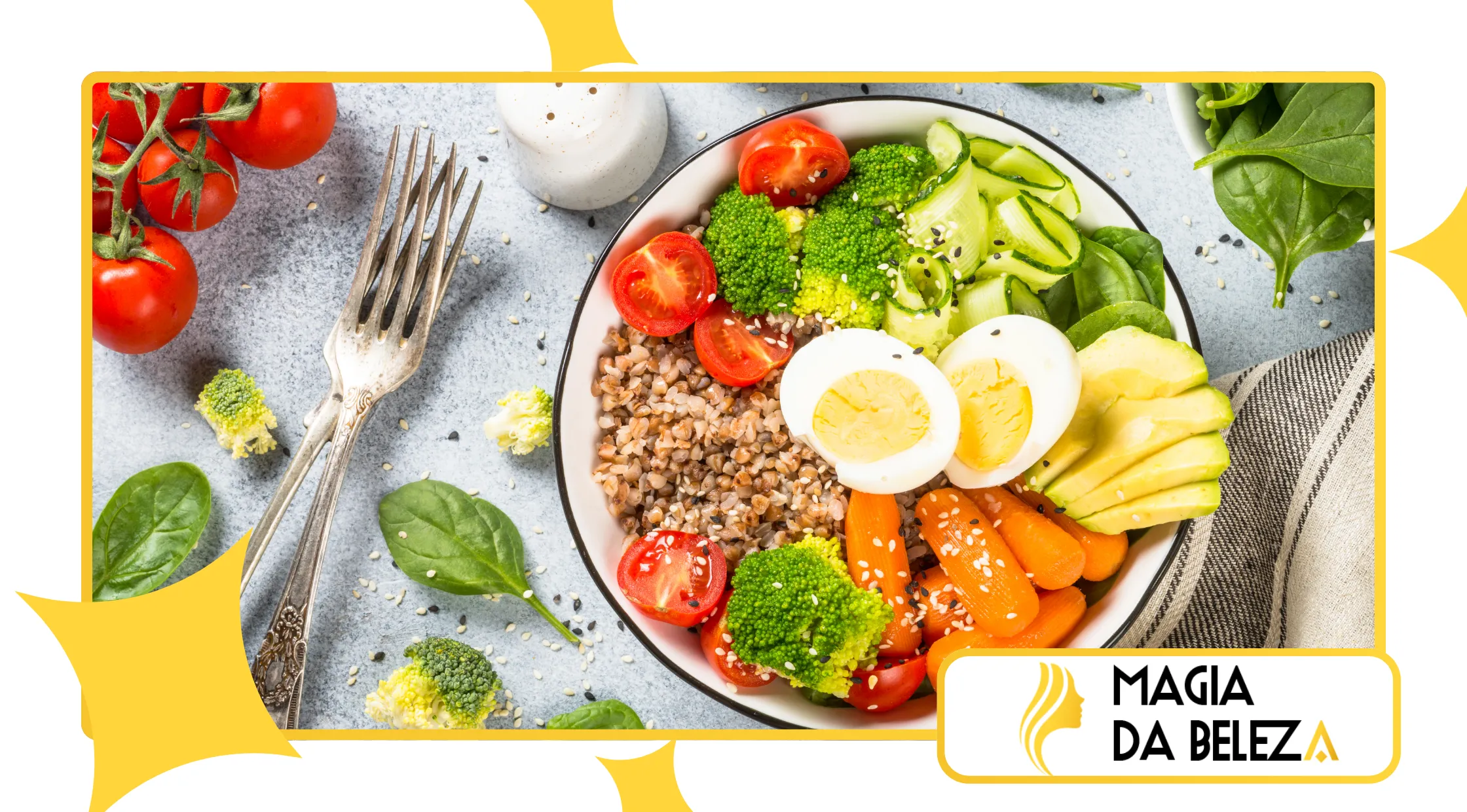
Creating a colorful and varied plate is the first step in consolidating the anti-inflammatory diet integrate it sustainably into your daily routine.
Fatty fish from cold waters, such as sardines and tuna, top the list of excellent protective sources.
Find out more: A wellness guide for seniors focusing on mobility and strength.
The table below presents the main food groups recommended by international health guidelines to optimize real energy intake:
| Food Group | Key Examples | Active Component | Mechanism of Action |
| Good Fats | Extra virgin olive oil, avocado | Oleic acid and polyphenols | Cell membrane protection |
| Spices | Turmeric, ginger, cinnamon | Curcumin and gingerol | Blocking inflammatory pathways |
| Fruits and Vegetables | Blueberries, broccoli, spinach | Quercetin and sulforaphane | Neutralization of free radicals |
| Oilseeds | Brazil nuts, walnuts | Selenium and plant-based omega-3 | Support for thyroid function |
Including these elements daily creates a robust nutritional barrier against the aggressors of modern metabolism.
The visible result is a noticeable gain in focus, mental clarity, and physical stamina for commitments.
What ingredients should you avoid to protect your mood?
The success of anti-inflammatory diet It depends both on what you add and what you decide to remove from your menu.
Refined vegetable oils, rich in pro-inflammatory omega-6 fatty acids, should be summarily replaced with healthier options.
Hidden sugars in processed foods, white flour, and sausages can trigger inflammation immediately after regular consumption.
These ingredients produce a momentary surge of energy followed by a drastic drop in energy, leading to harmful metabolic dependence.
++ How to wear coordinated outfits stylishly without looking like you're wearing "uniform"
Drastically reducing these components clears metabolic pathways and enhances the absorption of beneficial nutrients ingested. Your energy levels will no longer be dependent on artificial stimuli like excessive daily caffeine intake.
How can I organize my eating routine to maintain vitality?
Planning meals in advance avoids impulsive choices based on hunger and the convenience of industrial fast food.
Start your day with a first meal rich in lean proteins and healthy, structural fats.
Maintaining adequate hydration between meals is crucial, as even mild dehydration mimics the inflammatory symptoms of fatigue.
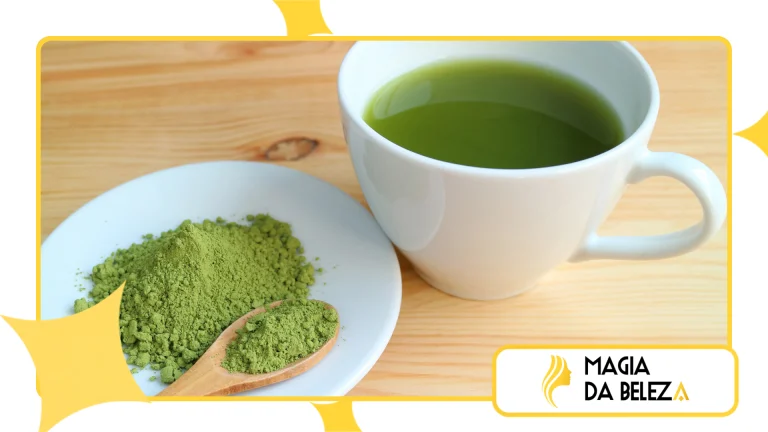
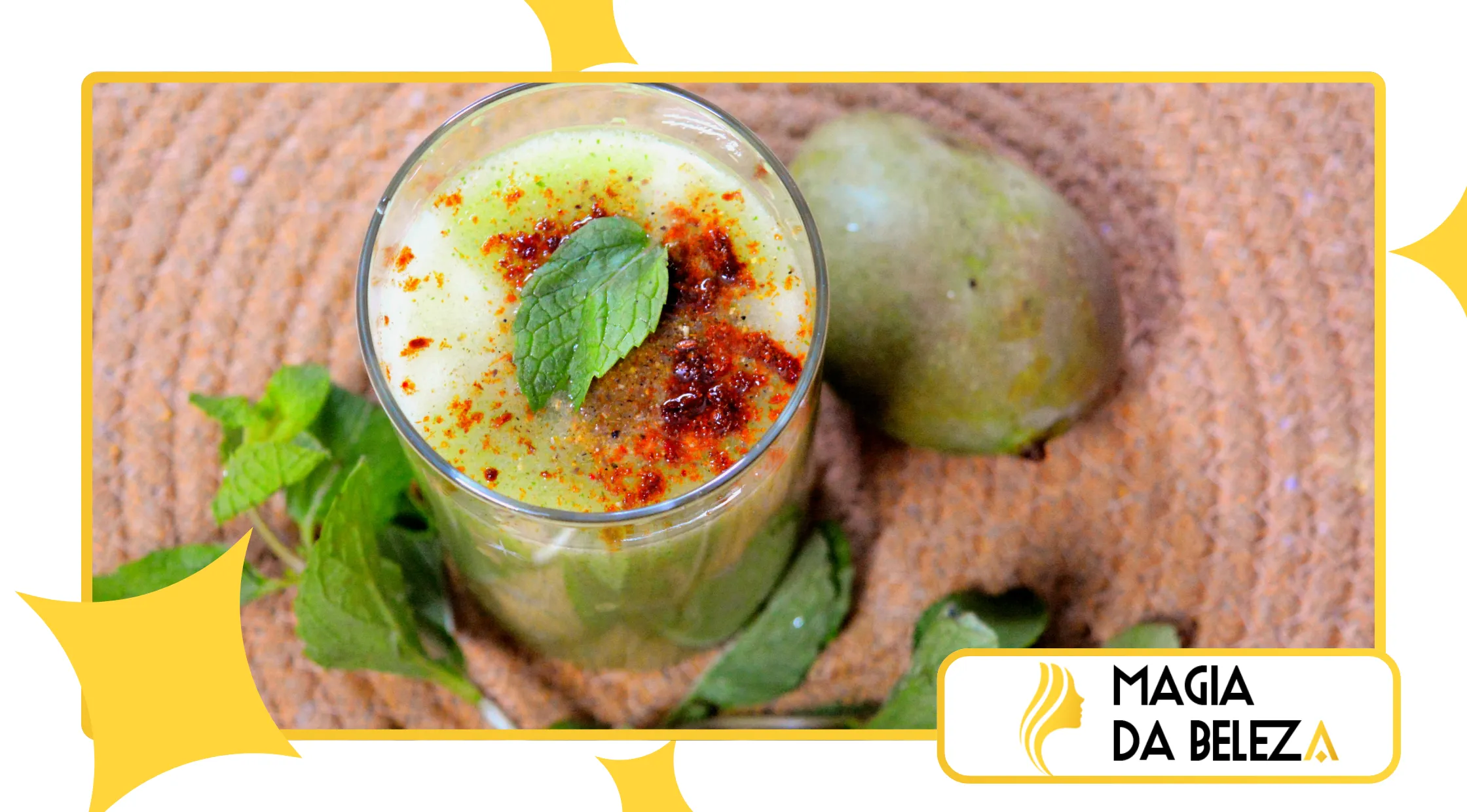
Rosemary, mint, and green teas are excellent liquid allies for boosting cognitive performance.
Lighter dinners eaten early facilitate the digestive process, allowing for truly restorative and deep sleep. Efficient nighttime rest is the cornerstone that consolidates the benefits gained through proper nutrition.
Conclusion
Investing in anti-inflammatory diet It represents a conscious choice for greater longevity, productivity, and lasting holistic health.
The results manifest as dynamic mornings and productive days, without the need for constant artificial stimulants.
To deepen your knowledge of global nutritional guidelines and preventive health, consult the official publications of World Health Organization (WHO)A global leader in wellness. Change your habits today and feel the true transformation in your energy.
Frequently Asked Questions
How long does it take for an anti-inflammatory diet to take effect?
The first signs of improvement in energy and digestion usually appear between two and three weeks of consistency. The reduction of deep chronic cellular inflammation consolidates after three months of new eating habits.
Can someone who is always tired follow this type of diet?
Yes, this model is highly recommended for individuals suffering from persistent fatigue with no apparent medical cause. The strategy aims to restore cellular energy efficiency and reduce overall metabolic stress.
Is coffee allowed on an anti-inflammatory diet?
Good quality coffee is allowed and contains beneficial antioxidants, as long as it is consumed in moderation and without sugar. Avoid excessive consumption and drinking it after 4 pm to preserve sleep quality.
Which fruits are considered the most anti-inflammatory?
Red and purple fruits, such as blueberries, blackberries, strawberries, and dark grapes, stand out for their high anthocyanin content. Citrus fruits like lemons and oranges also offer an excellent supply of antioxidant vitamin C.
++ Anti-inflammatory diet: what it is and its benefits
++ 10 foods that will reduce inflammation in your body, according to experts.