

Beta-glucan for skin é o ingrediente ativo que revolucionou o mercado de cosméticos ao entregar hidratação profunda sem causar irritações.
Advertisements
Este polissacarídeo ultrapassou o ácido hialurônico na preferência de dermatologistas e formuladores devido à sua capacidade de reparar tecidos danificados e reter 20% mais água na pele.
Abaixo, você encontrará o guia definitivo sobre como aplicar este poderoso ativo na sua rotina de cuidados com a pele diária:
- O que é o beta-glucan e de onde ele é extraído.
- Mecanismo de ação e retenção hídrica na barreira cutânea.
- Benefícios comparativos em relação ao ácido hialurônico.
- How to incorporate the ingredient into different skin types.
- Respostas para as dúvidas mais frequentes sobre uso contínuo.
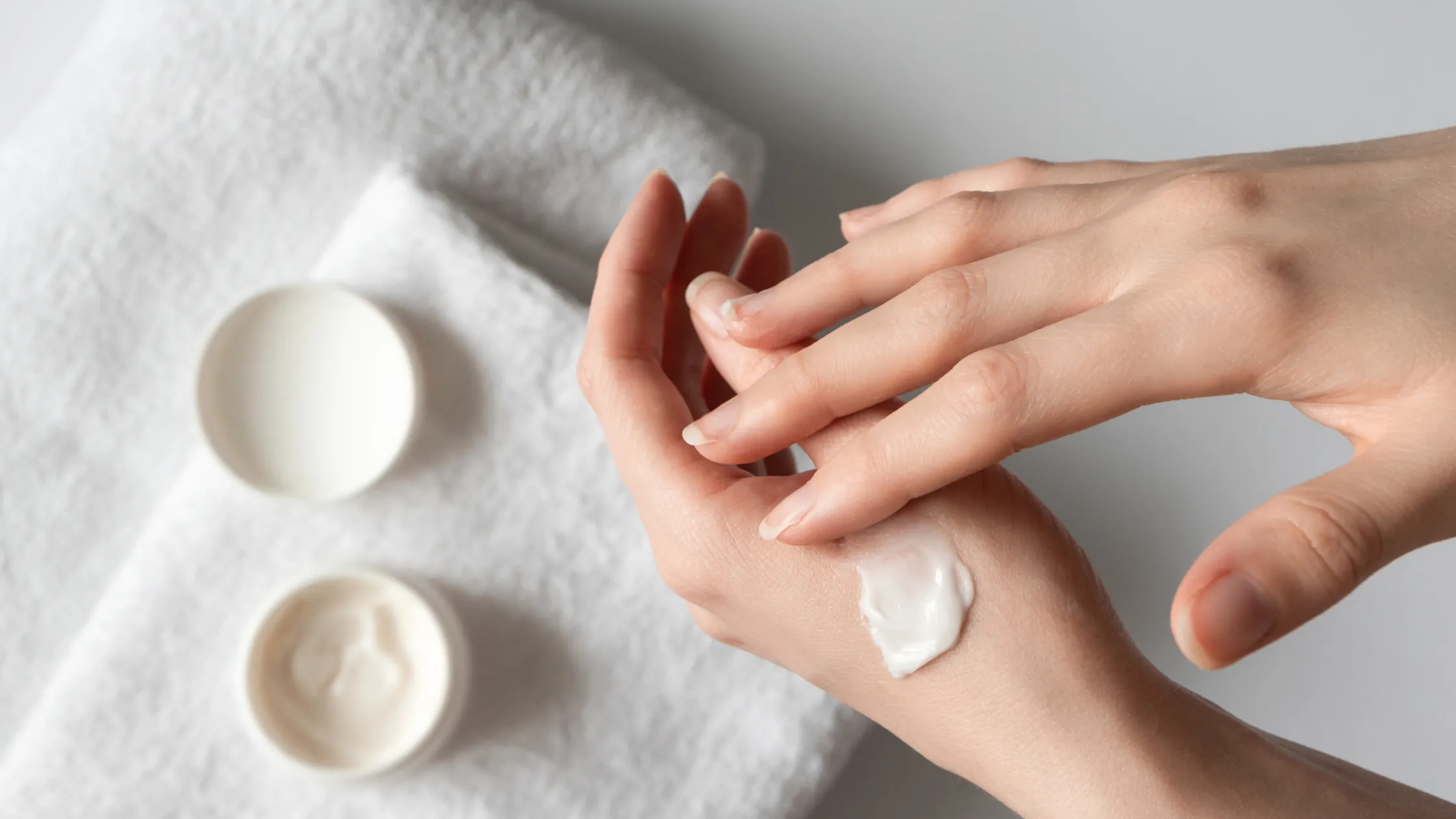
O que é o beta-glucan e por que virou tendência?
THE beta-glucan for skin é um açúcar complexo extraído de fontes naturais como aveia, leveduras, cogumelos medicinais e cevada.
Sua estrutura molecular especial interage diretamente com receptores das células imunológicas da epiderme.
Esse biopolímero ganhou destaque global por restabelecer a integridade cutânea em peles sensibilizadas.
Diferente de hidratantes convencionais que atuam só na camada externa, ele penetra na derme através dos espaços intercelulares.
Sua popularização ocorreu no setor de cuidados dermatológicos após testes comprovarem sua tolerabilidade total.
O ingrediente acalma a epiderme, reduz a vermelhidão e acelera a cicatrização de procedimentos estéticos como lasers e peelings.
Mecanismo de ação: Como o ativo funciona na pele?
THE beta-glucan for skin atua estimulando os macrófagos, células de defesa que aceleram a regeneração celular.
Essa ativação desencadeia a síntese de colágeno novo, melhorando a elasticidade e a firmeza do tecido.
Além disso, ele forma uma película protetora invisível sobre o rosto.
Essa barreira previne a perda de água transepidérmica e protege o tecido contra os danos oxidativos provocados pela poluição diária.
A estrutura de cadeia longa do ativo retém a umidade profunda.
Research published on the platform National Center for Biotechnology Information, mostram que os glucanos promovem a reparação celular e combatem os sinais do envelhecimento precoce ativamente.
Beta-glucan versus Ácido Hialurônico
A escolha entre ativos hidratantes gera dúvidas frequentes nos consultórios.
Embora o ácido hialurônico seja famoso, o glucano atua com maior estabilidade molecular e oferece propriedades calmantes superiores para peles reativas.
++ Como montar rotina para pele exposta ao ar-condicionado diário
Ambos os compostos atraem água para as células cutâneas com eficiência.
No entanto, o beta-glucan possui peso molecular que penetra mais fundo na derme, estimulando imunidade e regeneração tecidual simultaneamente.
| Propriedade / Benefício | Beta-Glucan | Ácido Hialurônico |
| Capacidade de Retenção de Água | 20% superior | Padrão elevado |
| Ação Anti-inflamatória | Alta (estimula macrófagos) | Moderate |
| Penetração na Derme | Altíssima (espaços intercelulares) | Variável (conforme o peso) |
| Recuperação de Barreira | Rápida e regenerativa | Superficial a intermediária |
| Acalma Peles Sensíveis | Sim (ação imediata) | Neutral |
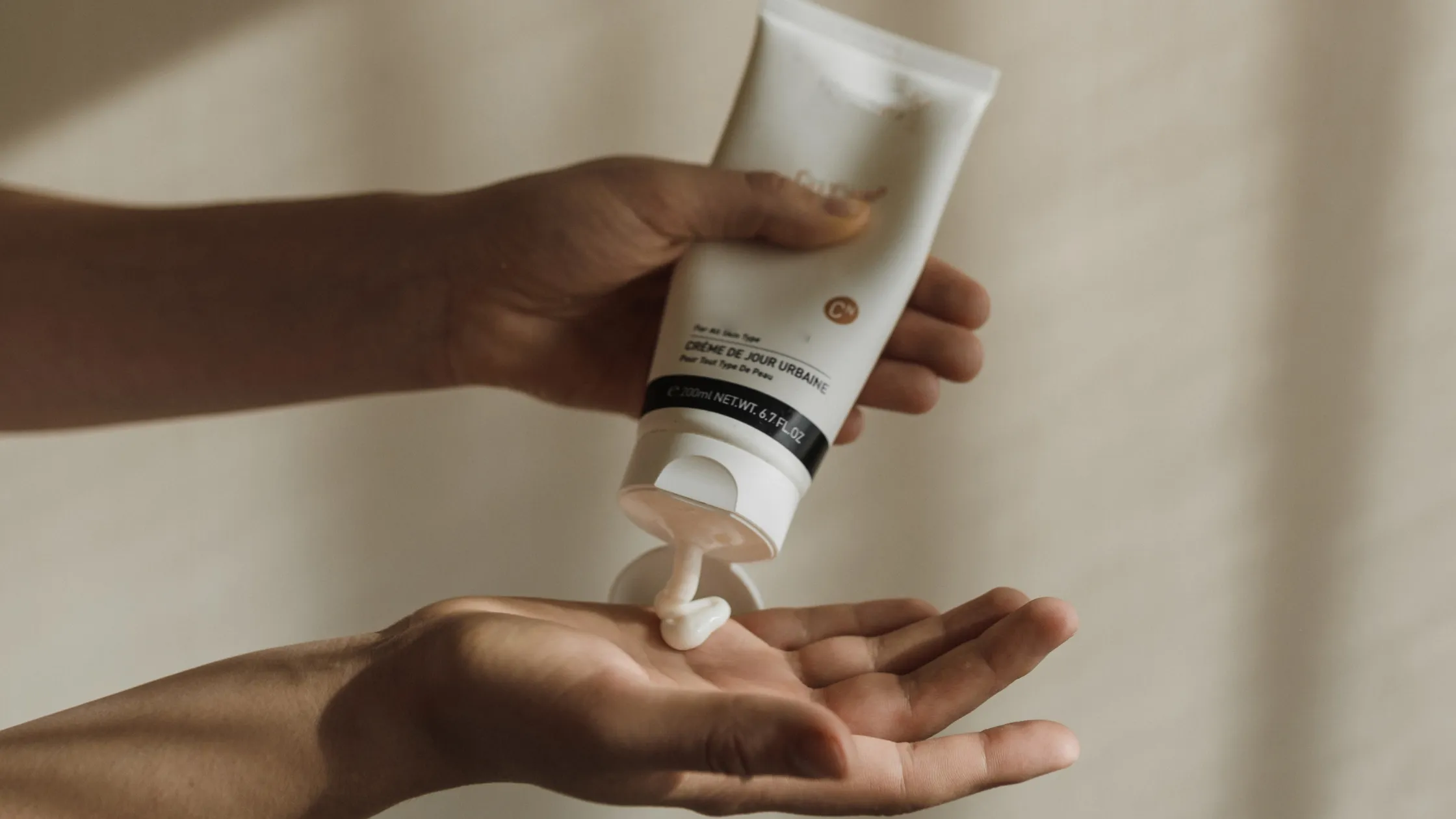
Principais benefícios para a saúde cutânea
Use the beta-glucan for skin melhora a textura do rosto em poucas semanas. Ele suaviza linhas finas, combate o ressecamento severo e devolve o viço natural de forma perceptível.
Sua ação antioxidante neutraliza os radicais livres gerados pela radiação UV. Isso previne o aparecimento de manchas e mantém a estrutura celular forte contra o estresse oxidativo do dia a dia.
Find out more: Benefícios da astaxantina para pele segundo especialistas
Para quem sofre com rosácea, dermatite ou acne, esse ativo reduz a inflamação sem obstruir os poros. Ele equilibra o microbioma cutâneo e fortalece as defesas naturais da epiderme fragilizada.
Como incluir o ativo na sua rotina diária
The use of beta-glucan for skin adapta-se perfeitamente aos cuidados diários. Você pode aplicá-lo de manhã e à noite, logo após a limpeza facial e antes de cremes mais densos.
++ Batons da Latika: Cores, Textura e Duração (Review Completo)
Ele combina bem com outros ingredientes ativos, como vitamina C, retinol e niacinamida. Por ser extremamente suave, o glucano previne a irritação frequentemente causada por ácidos e retinóides fortes.
- Wash your face with a mild soap.
- Aplique o sérum com glucano no rosto levemente úmido.
- Espalhe delicadamente até a absorção completa do produto.
- Finish with your favorite sunscreen during the day.
Formulações leves em sérum são ideais para peles oleosas. Já as versões em creme denso atendem perfeitamente quem busca nutrição intensa para peles secas ou maduras.
A ciência por trás da regeneração celular
Estudos dermatológicos demonstram que o composto estimula os fibroblastos a produzirem mais colágeno.
Essa proteína é fundamental para manter a firmeza da pele e evitar a flacidez ao longo dos anos.
A aplicação contínua melhora a densidade epidérmica e acelera a renovação celular.
Isso garante um rosto mais uniforme, com poros menos visíveis e aparência rejuvenescida sem necessidade de tratamentos invasivos.
As orientações oficiais da Agência Nacional de Vigilância Sanitária, garantem a segurança do uso de ingredientes cosméticos testados.
O ativo possui excelente perfil de segurança dermatológica comprovado em diversos testes globais.
THE beta-glucan for skin consolidou-se como um ingrediente indispensável na rotina de cuidados moderna.
Sua capacidade de hidratar profundamente, acalmar irritações e restaurar a barreira cutânea posiciona o ativo como uma escolha superior para todos os tipos de pele.
O futuro da hidratação e recuperação cutânea
THE beta-glucan for skin consolidou-se como um ingrediente indispensável na cosmetologia moderna por unir hidratação profunda, reparação tecidual e alta tolerabilidade.
Ao fortalecer a barreira de proteção e combater os microprocessos inflamatórios diários, este ativo entrega uma abordagem completa para a saúde da epiderme.
Incorporar o componente na rotina diária é um passo certeiro para garantir um rosto visivelmente mais firme, calmo e radiante a longo prazo.
Frequently Asked Question
1. Can beta-glucan be used on oily and acne-prone skin?
Sim, o ativo possui textura leve, não é comedogênico e ajuda a acalmar a inflamação provocada pelas espinhas sem obstruir os poros.
2. Qual a diferença entre beta-glucan e ácido hialurônico?
O glucano retém cerca de 20% mais água que o ácido hialurônico e oferece propriedades anti-inflamatórias e regenerativas superiores para a barreira cutânea.
3. Posso usar o ingrediente junto com ácidos ou retinol?
Com certeza. Ele ajuda a reduzir o ressecamento e a vermelhidão causados por ácidos fortes, atuando como um protetor para a epiderme.
4. How many times a day should I apply the product?
Você pode aplicá-lo duas vezes ao dia, pela manhã e à noite, sempre após a higienização do rosto e antes do protetor solar.
++ Beta-glucan: o que é, para que serve e benefícios para a pele
++ Beta-glucano: o ingrediente para cuidados com a pele que realmente faz jus à fama.