
Balancing female hormonal health It depends on dietary choices that directly influence how the body functions.
Advertisements
A nutrient-rich diet can contribute to hormonal balance, improve mood, support metabolic health, and promote well-being at different stages of life.
Understanding this relationship helps in adopting healthier, more conscious, and sustainable habits.
In this article, you will discover:
- What really influences hormonal balance?
- Which nutrients make a difference in your daily routine?
- Foods that deserve more space on the menu;
- Habits that maximize results;
- Answers to frequently asked questions about the topic.

What does it mean to maintain female hormonal balance?
Hormones function as chemical messengers responsible for regulating important bodily functions.
They play a role in controlling the menstrual cycle, fertility, metabolism, sleep, mood, bone health, and body composition.
Minor hormonal changes occur naturally throughout life.
Puberty, pregnancy, postpartum, and menopause represent phases marked by expected physiological changes, while factors such as inadequate diet, sedentary lifestyle, chronic stress, and sleep deprivation can intensify imbalances.
Although no single food can treat hormonal disorders, a balanced diet helps reduce inflammation, improve insulin sensitivity, and provide essential nutrients for the proper functioning of the endocrine system.
How does diet influence hormones?
Hormone production depends on the availability of vitamins, minerals, proteins, healthy fats, and sufficient energy to maintain bodily functions.
Very restrictive diets can compromise this balance over time.
In addition, the intestine participates in the metabolism of various hormones.
A healthy gut microbiota promotes important processes related to estrogen, while gut changes can affect metabolic balance.
In the midst of this process, it's worth consulting the recommendations on healthy eating available on [website/resource]. Dietary Guidelines for the Brazilian Population, prepared by Ministry of Health.
Which nutrients deserve more attention?
Quality proteins
Proteins provide essential amino acids for numerous metabolic functions. They also help preserve muscle mass, which is important during aging and especially after age 40.
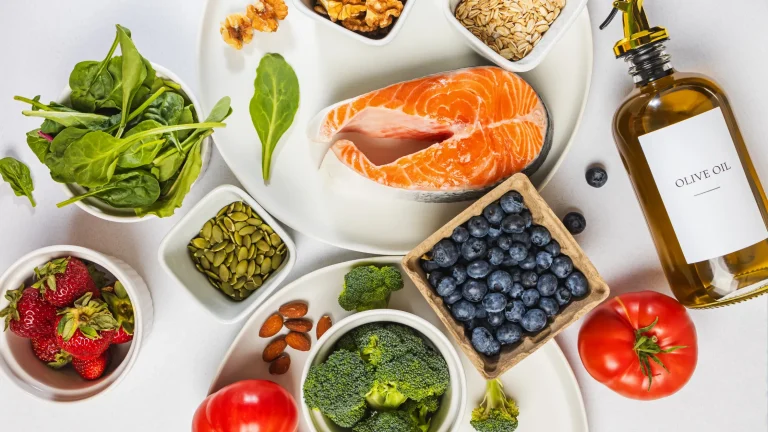
Good options include fish, eggs, lean meats, plain yogurt, beans, lentils, chickpeas, and soy.
Healthy fats
Fats are involved in the synthesis of steroid hormones. Prioritizing natural sources promotes a balanced diet without resorting to excessive consumption of ultra-processed products.
++ How to Recover Your Mental Energy After a Stressful Day
Avocado, extra virgin olive oil, nuts, chia seeds, flaxseed, and fish rich in omega-3 offer excellent choices for everyday consumption.
Dietary fiber
Fiber aids intestinal function, promotes greater satiety, and helps control blood sugar levels, reducing fluctuations that can affect metabolic balance.
Fruits, vegetables, whole grains, and legumes should be included in daily meals.
Vitamins and minerals
Vitamin D, magnesium, calcium, zinc, iron, and B vitamins participate in hundreds of biochemical reactions related to hormone metabolism.
Read more: The 10-Minute Method for Taking Care of Yourself Every Day
Whenever a deficiency is suspected, laboratory tests and professional evaluation help to identify specific needs before supplementation.

Foods that promote a healthy hormonal balance
Who seeks Balancing female hormonal health You'll find benefits by prioritizing minimally processed foods and eating a varied diet throughout the week.
Colorful vegetables provide important antioxidants. Fruits offer vitamins and bioactive compounds.
Whole grains help with glycemic stability, while nuts add minerals and unsaturated fats.
Fish such as sardines and salmon provide omega-3, a nutrient associated with cardiovascular health and the control of inflammatory processes, aspects that are relevant during menopause and aging.
++ How does hair botox work on damaged hair?
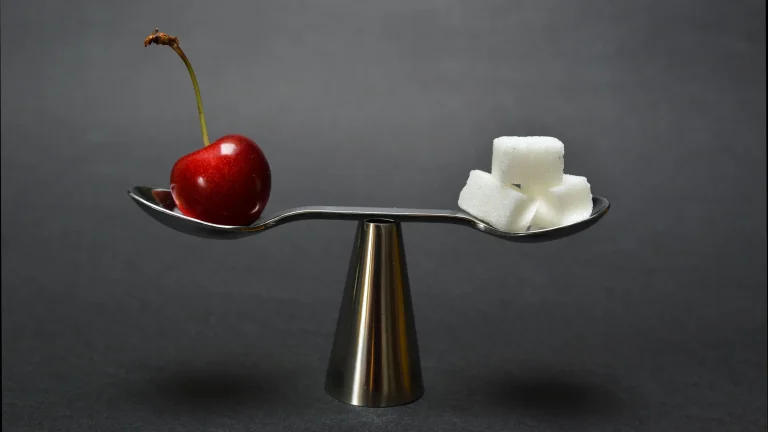
Ultra-processed foods, rich in added sugars, sodium, and low-quality fats, should remain an occasional treat within a balanced diet.
Comparison between nutrients and their main benefits.
| Nutrient | Main sources | Related benefits |
|---|---|---|
| Proteins | Eggs, fish, meat, legumes | Muscle preservation and satiety |
| Omega-3 | Sardines, salmon, chia seeds, flaxseed | Support for cardiovascular health and inflammation. |
| Fibers | Fruits, vegetables, oats, beans | Gut health and glycemic control |
| Magnesium | Nuts, seeds, green vegetables | Participation in hundreds of metabolic reactions |
| Calcium + Vitamin D | Dairy products, fortified foods, and adequate sun exposure. | Bone health, especially after menopause. |
Habits that complement a good diet to balance women's hormonal health.
No single food acts in isolation. The body responds to the combination of daily habits, making lifestyle just as important as diet.
Sleeping between seven and nine hours regularly promotes hormonal function. Physical exercise improves insulin sensitivity, preserves muscle mass, and helps control stress.
Controlling alcohol consumption and avoiding smoking also reduces factors that impair metabolic balance and increase the risk of various chronic diseases.
For those who wish Balancing female hormonal healthConsistency often produces more consistent results than radical changes maintained for only a few days.
When to seek a professional?
Persistent changes in the menstrual cycle, intense fatigue, unexplained weight gain, early hot flashes, significant hair loss, or major mood swings warrant medical evaluation.
The nutritionist adapts the dietary plan to individual needs, while the endocrinologist or gynecologist investigates possible hormonal imbalances when persistent symptoms are present.

Conclusion
Nutrition plays an important role in hormonal function, but it is part of a set of factors that includes physical activity, sleep, stress management, and professional guidance when necessary.
Who wants Balancing female hormonal health You get better results by building consistent habits, prioritizing natural foods, and avoiding miracle cures.
Reliable information about women's health is also available at World Health Organization.
Frequently Asked Questions
What foods help balance female hormones?
Fruits, vegetables, whole grains, legumes, fish, eggs, seeds, nuts, and olive oil provide important nutrients for the proper functioning of the body.
Is there a specific diet to regulate hormones?
There is no single diet capable of regulating all hormones. Nutrition should take into account age, routine, clinical conditions, life stage, and individual needs.
Does the gut influence hormonal health?
Yes. The gut microbiota participates in the metabolism of some hormones, especially estrogen. A diet rich in fiber promotes intestinal and metabolic balance.
Does diet solve all hormonal problems?
No. It represents one of the pillars of hormonal health, but some conditions require medical diagnosis, specific tests, and individualized treatments when indicated.
++ Women's hormonal health: 7 foods that strengthen the body's balance.