
Benefits of astaxanthin for the skin They go beyond the antioxidant action known to many consumers.
Advertisements
Studies indicate that this carotenoid may help protect the skin against oxidative stress, promote hydration, preserve elasticity, and support healthier skin aging when combined with a proper skincare routine and sun protection.
In this article, you will discover:
- What is astaxanthin and why has it gained prominence?
- How does this carotenoid act on the skin?
- What do the latest scientific studies say?
- Who can benefit from supplementation?
- Important precautions before starting to use.
The demand for effective antioxidants has increased in recent years due to greater concern about healthy aging, sun exposure, and preserving the skin barrier.
Among these substances, astaxanthin stands out due to its antioxidant capacity, which has been studied in clinical research.
What is astaxanthin?
Astaxanthin is a reddish carotenoid produced primarily by microalgae. Haematococcus pluvialis.
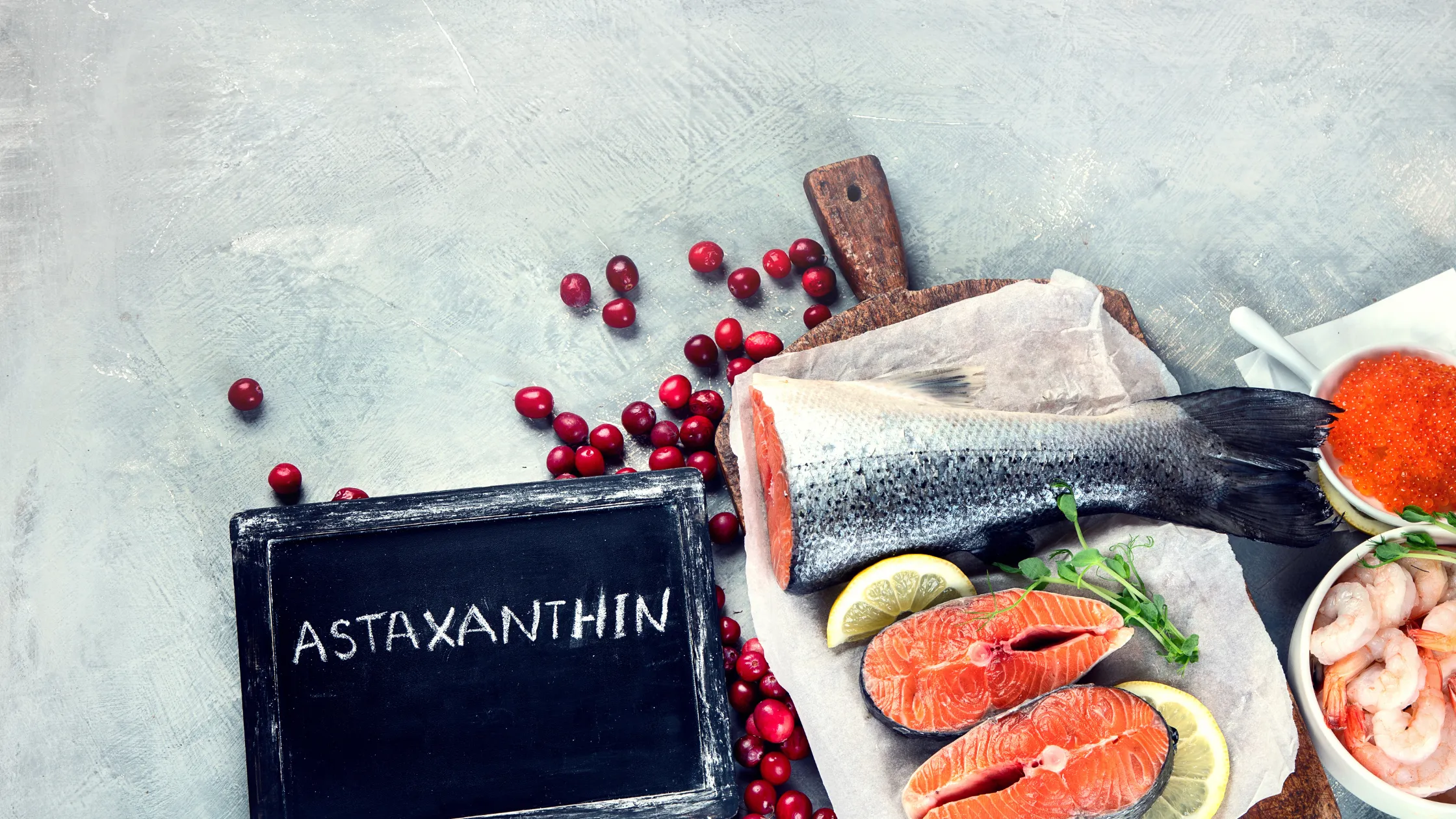
It is also naturally present in foods such as salmon, shrimp, trout, and lobster, which are responsible for their characteristic colors.
Its main distinguishing feature lies in its high antioxidant activity.
Unlike many common antioxidants, this molecule is able to act on both the lipid and aqueous portions of cell membranes, offering broader protection against oxidative stress.
This mechanism has attracted the attention of the scientific community because oxidative stress is directly involved in skin aging, collagen degradation, and the gradual loss of skin elasticity.
How does astaxanthin work on the skin?
The most studied effects involve reducing damage caused by free radicals, especially those generated by exposure to ultraviolet rays, pollution, and the body's natural inflammatory processes.
Research suggests that regular consumption can help preserve important structural components of the skin, promoting better hydration, elasticity, and overall appearance when combined with healthy habits.
It's important to note that astaxanthin is not a substitute for sunscreen.
It acts as a complementary strategy within a routine that includes daily sun protection, a balanced diet, and dermatological care.
What do scientific studies show?
Several clinical trials have investigated the effects of this antioxidant on skin health.
Although there are differences between protocols, many results point to consistent benefits after a few weeks of supplementation.
A review published in the journal Nutrients It concluded that astaxanthin has the potential to improve parameters related to skin aging, mainly elasticity, hydration, and reduction of oxidative stress.
Another scientific review highlights that carotenoids demonstrate promising antioxidant and anti-inflammatory properties, although researchers recommend larger studies to confirm all the benefits observed in diverse populations.
To find up-to-date scientific information on antioxidants and nutrition, it is worth accessing the publications database of [organization name]. PubMed, maintained by the United States National Library of Medicine.
Main benefits observed
Helps protect against premature aging.
Skin aging results from a combination of natural factors and environmental aggressors. Antioxidant action helps reduce some of the cellular damage caused daily by ultraviolet radiation and pollution.
++ Benefits of polyphenols for skin against free radicals
This protection does not stop biological aging, but it can slow down some processes related to photoaging when integrated with preventive habits.
It can promote skin hydration.
Some studies have identified improved water retention in the skin after continuous supplementation. More hydrated skin tends to have a more even texture and feel softer.
This benefit appears to be related to both the reduction of inflammation and the preservation of the integrity of the skin barrier.
It contributes to elasticity.
The gradual loss of elasticity accompanies aging. Research suggests that astaxanthin may help preserve important structural fibers, promoting a firmer appearance.
Read more: How the menstrual cycle affects the skin at each stage of the month.
Results vary depending on age, diet, sun exposure, and lifestyle, which is why no single supplement produces the same effects on everyone.
It helps reduce oxidative stress.
Oxidative stress accelerates skin aging by damaging cells, proteins, and collagen fibers.
++ Makeup inspired by punk and indie sleaze makeup trends.
Astaxanthin helps neutralize free radicals produced by sun exposure, pollution, and natural metabolism, contributing to preserving skin health and promoting a more even and resilient appearance over time.
Comparison between antioxidants studied for the skin.
| Antioxidant | Main action | Natural sources |
|---|---|---|
| Astaxanthin | Intense fight against oxidative stress and cellular protection. | Microalgae, salmon, trout, shrimp |
| Vitamin C | It participates in collagen production. | Acerola, orange, kiwi |
| Vitamin E | Protects cell membranes | Nuts, seeds, vegetable oils |
| Lycopene | Helps protect against sun damage. | Tomato, watermelon, guava |
Each antioxidant has a different mechanism of action. That's why experts often recommend a varied diet instead of relying exclusively on a single compound.
Who can consider supplementation? Benefits of astaxanthin for the skin.
Adults interested in preventing skin aging often seek out this supplement, especially those with high sun exposure or concerned about the effects of photoaging.
Even so, the decision should take into account medical history, medications used, and individual needs.
Pregnant women, breastfeeding mothers, and people with specific illnesses need to seek professional guidance before starting supplementation.

Is there an ideal dose?
Studies use different amounts, generally between 4 mg and 12 mg daily for periods of eight to sixteen weeks.
There is still no consensus on an ideal dose for all individuals.
Experts emphasize that dietary supplements complement a healthy routine, but do not replace a balanced diet, sun protection, adequate sleep, and dermatological monitoring.
Is it worth investing in this antioxidant?
You Benefits of astaxanthin for the skin They are receiving increasing support in the scientific literature, especially regarding antioxidant protection, improved hydration, and preservation of elasticity.
However, it does not represent a standalone solution to aging.
The best results are achieved when supplementation is integrated into a set of care measures that includes a diet rich in fruits and vegetables, daily use of sunscreen, and healthy habits.
For reliable guidance on dietary supplements and ingredient safety, please consult the information available at [website/resource name]. National Health Surveillance Agency (Anvisa)
Frequently Asked Questions
Does astaxanthin replace sunscreen?
No. It can supplement skin protection, but it does not block ultraviolet radiation. Sunscreen remains essential daily.
How long does it take for results to appear?
Studies typically observe changes between eight and sixteen weeks of continuous use, always in conjunction with other skincare routines.
Does astaxanthin have side effects?
In general, it is well tolerated at the doses studied. Even so, any supplementation should be guided by a healthcare professional.
Is it better to consume food or supplements?
A diet rich in fish and vegetables provides several important nutrients. When professionally indicated, supplements can complement this nutritional strategy.