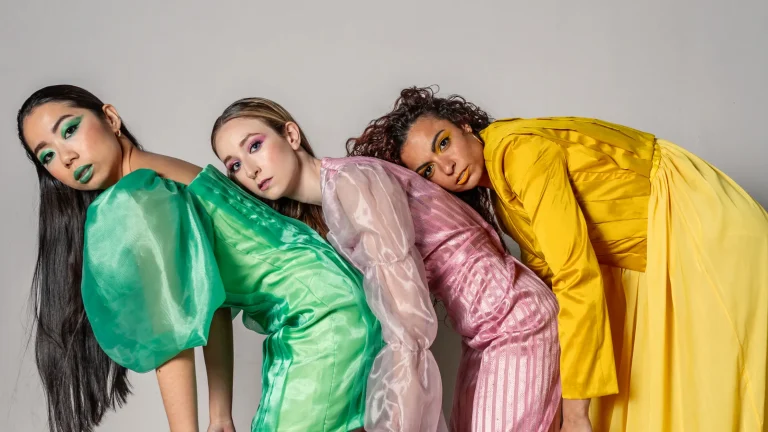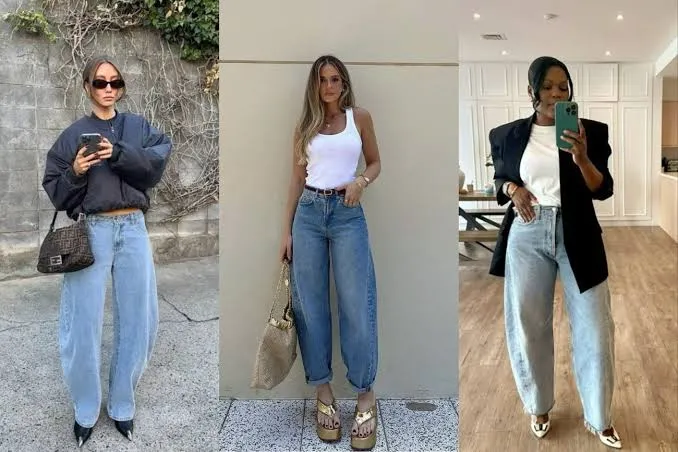

To the stylish eco-friendly clothes They represent the pinnacle of the textile industry's evolution by 2026, finally uniting high visual aesthetics with rigorous criteria for preserving our global environment.
Advertisements
In this guide, we will explore how conscious consumption has gone from being a niche market to becoming the new standard of luxury and well-being.
More than just buying, it's about understanding the architecture behind a wardrobe that respects time and nature.
Summary
- The new aesthetics of responsibility
- Fibers of the future: Biotechnology on the hanger
- Practical Guide: How to build your sustainable collection
- The invisible mechanism: Traceability and Ethics
- Market data and environmental impact
- FAQ and Final Reflection
What defines conscious sophistication in 2026?
Sustainable fashion has finally broken free from the stigma of shapeless pieces and raw colors.
Currently, high-end design utilizes fibers that regenerate the soil, proving that elegance and ethics are not only compatible, but interdependent.
The current concept focuses on emotional durability. This means that the pieces are designed to withstand the washing cycle and, above all, the volatility of trends, remaining relevant for decades instead of weeks.
There is something unsettling about the old model of fast fashion: a complete disconnection from the origin.
The real style in 2026 is knowing exactly who sewed your linen blazer and making sure that person received a fair wage for it.
Fibers of the future: Where biotechnology meets style.
Textile innovation has introduced materials that seem like science fiction. Mushroom leather (Mycelium) and orange silk dominate the catwalks, offering luxurious textures that are, at the end of their useful life, completely biodegradable.
Certified organic cotton remains a pillar of resistance. Unlike conventional farming, it consumes 91% less water, protecting vital ecosystems and the health of Brazilian producers who work directly with the land.
Recycled polyester fibers recovered from the oceans have also undergone impressive technical refinement.
They now have a silky feel, allowing for the creation of garments that transition seamlessly from casual to formal.
++ How to create stylish plaid pattern outfits in 2026
Detailed Guide: How to build your sustainable fashion collection
Changing the way we dress requires less impulse and more strategy. It's not about discarding everything you own, but about curating what will enter your home from now on.
Style Audit: Before buying, understand your routine. A sustainable garment sitting in your closet is, by definition, a waste of resources. Choose cuts that flatter your body type and real lifestyle.
The Rule of 30 Uses: Ask yourself: "Will I use this at least 30 times?". If the answer is uncertain, the item is probably the result of a momentary desire, not a genuine aesthetic need.
Composition Analysis: Learn to read labels. Prioritize natural fibers or smart blends that allow for future recycling. Avoid fabrics that mix many different synthetic fibers, as they are almost impossible to recycle.
Maintaining Longevity: Invest in proper care. Washing less often, using steam cleaners, and storing clothes correctly are actions that double the lifespan of your garments, drastically reducing your environmental footprint.
To understand the technical standards that underpin this market, it is worth consulting the Global Organic Textile Standard, a world reference in fiber processing and social justice in the countryside.
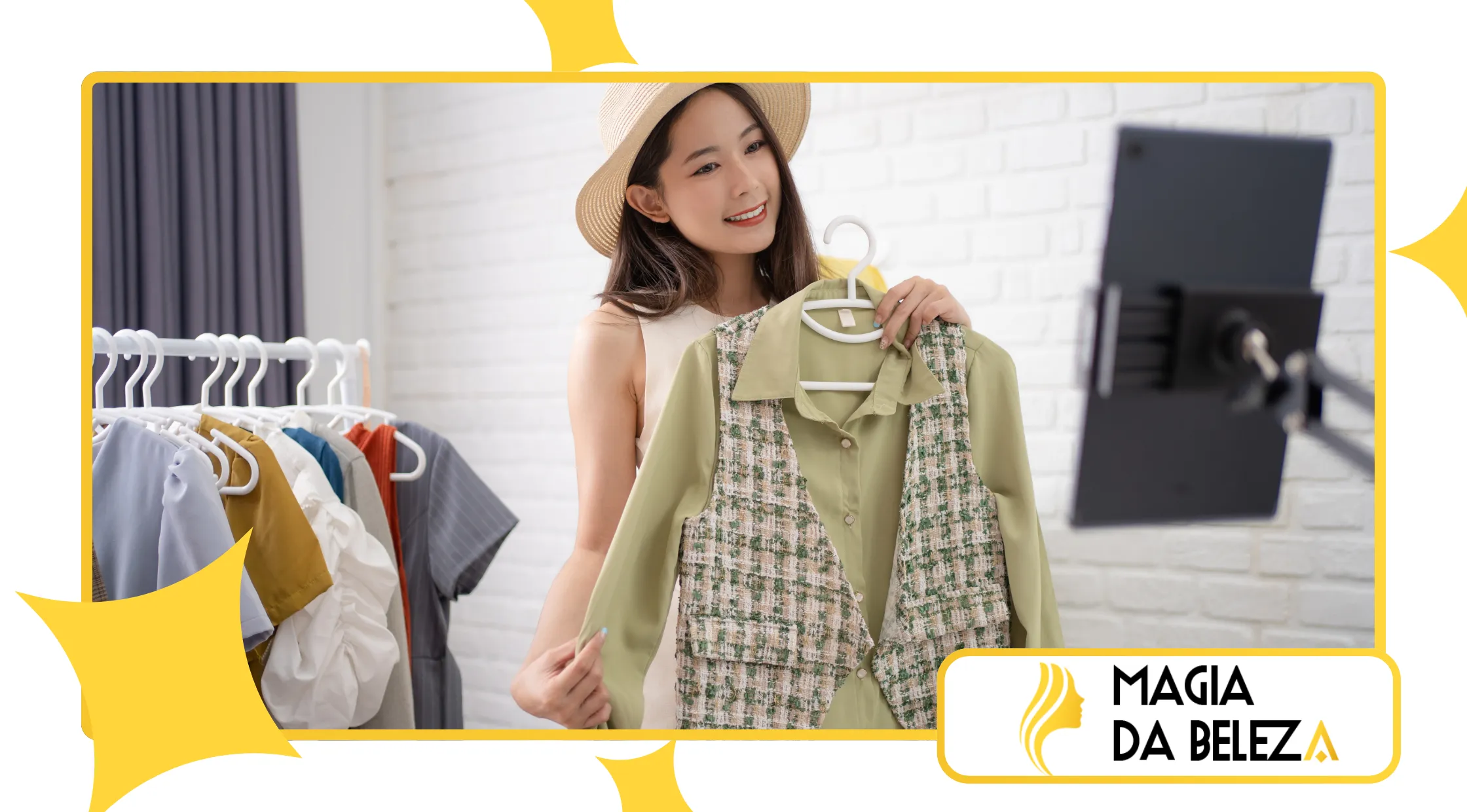
Transparency as the new luxury accessory.
Full transparency allows you to verify the carbon footprint of each item in real time. Labels such as B Corp They offer the necessary security so that the consumer does not fall into traps of empty marketing.
Brands using Blockchain make it possible to track the fiber from the farm to the retail outlet.
This technology is the antidote to greenwashingensuring that your investment supports practices that truly benefit the global and local ecosystem.
Read more: A guide to looks with raw denim for an updated casual style.
By prioritizing transparent brands, you strengthen the circular economy. Many fashion houses now offer reverse logistics, transforming old items into new yarns, which solves one of the industry's biggest bottlenecks: textile waste.
Impact Comparison: Fiber and Consumption
The figures below reveal the disparity between mass production and responsible alternatives. Choosing the right material is the first step towards consumption that doesn't deplete the planet.
| Resource Analyzed | Organic Cotton | Conventional Cotton | European Flax | Recycled Polyester |
| Water Consumption | 243 Liters/kg | 2,500 Liters/kg | Extremely low | Virtually Zero |
| Chemical Impact | Null (Bio) | Most High | Minimum | Moderate |
| Decomposition | Fast | Slow (Residues) | Extremely high | Very Slow |
| CO2 emissions | Casualties | High | Negatives | Reduced |
Rescuing the handcrafted in the technological age.
The appreciation for "handmade" items has returned with renewed force. Local crafts, combined with natural dyes extracted from plants, create items that are true wearable narratives, full of Brazilian history and culture.
These methods prevent the dumping of heavy metals into our watersheds.
The result is organic, vibrant, and unique colors that don't fade as easily as low-quality synthetic pigments.
Meanwhile, 3D printing with bioplastics allows for complete customization.
++ How to use skin flooding without worsening oily skin.
Custom-made pieces eliminate excess inventory, one of the biggest environmental villains, ensuring that every inch of material has a proper destination.
The true value of a timeless wardrobe.
Modern minimalism prioritizes substance. Having fewer items, but with a perfect fit, simplifies the routine and builds an image of self-confidence that doesn't depend on logos or fleeting social media trends.
Financial savings emerge as a natural consequence of this behavior.
High-quality clothing doesn't need constant replacement, allowing the budget to be directed towards higher-value items with guaranteed provenance.
The thermal comfort of natural fibers elevates the wearing experience to another level. Breathable fabrics, such as Tencel and Merino wool, adapt to the body, providing well-being in both tropical heat and intense cold.
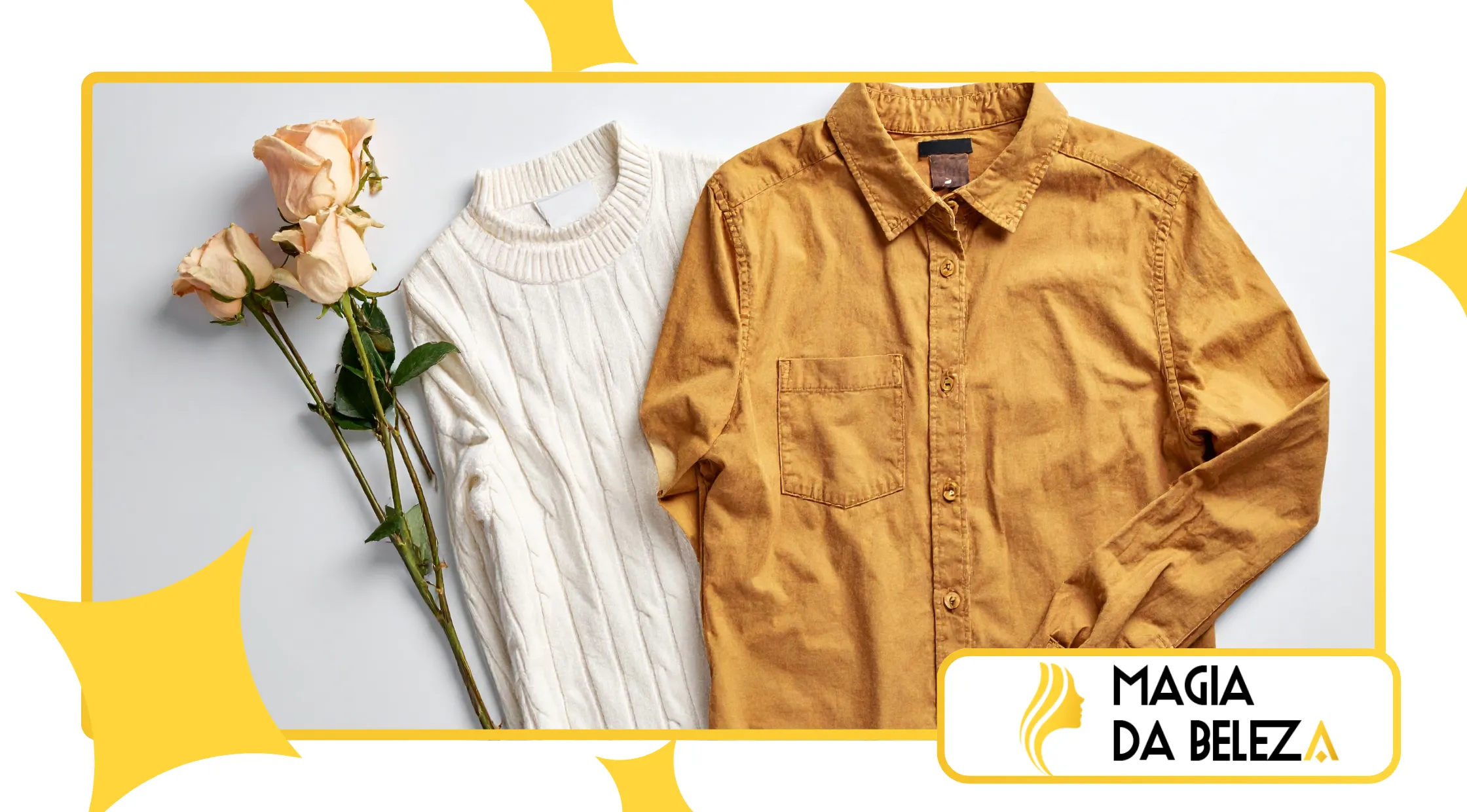
The future of fashion is an act of presence: stylish eco-friendly clothing.
Dressing consciously is an irreversible path for those seeking authenticity. Fashion in 2026 celebrates the balance between the human desire for beauty and the vital need to regenerate our shared space.
By choosing innovative materials and supporting brands that don't hide their processes, you become an active part of the solution. True contemporary luxury is the peace of mind that comes from knowing your elegance doesn't compromise the future.
To follow global discussions on the circular economy, visit the Ellen MacArthur Foundation, an organization that is leading the transition to a regenerative textile system.
Frequently Asked Questions
1. Why do sustainable clothes usually have a high price?
The price reflects fair compensation throughout the supply chain and the use of raw materials that respect the land's regeneration time. The cost per use, however, is lower due to its high durability.
2. How can you tell if a brand is practicing greenwashing?
Be wary of vague claims like "natural" or "eco-friendly" without visible certifications. Reputable brands provide specific data, impact reports, and details about their factories and raw material suppliers.
3. Is linen really the best fiber for the Brazilian climate?
Yes. In addition to being one of the most sustainable fibers in the world because it requires few nutrients from the soil, its high breathability and moisture absorption capacity make it ideal for high temperatures.
4. What to do with clothes that can no longer be repaired?
Look for reverse logistics collection points or companies specializing in textile recycling. Transforming fibers into new yarns or acoustic insulation materials prevents them from ending up in landfills.
5. How do I care for fabrics made from bioplastics or fruit fibers?
Carefully follow the label instructions. Generally, these fibers prefer hand washing and air drying. Avoiding harsh chemicals preserves the integrity of the fabric's natural molecules.
++ A guide to sustainable fashion
++ Sustainable Fashion: Trends and Eco-friendly Alternatives