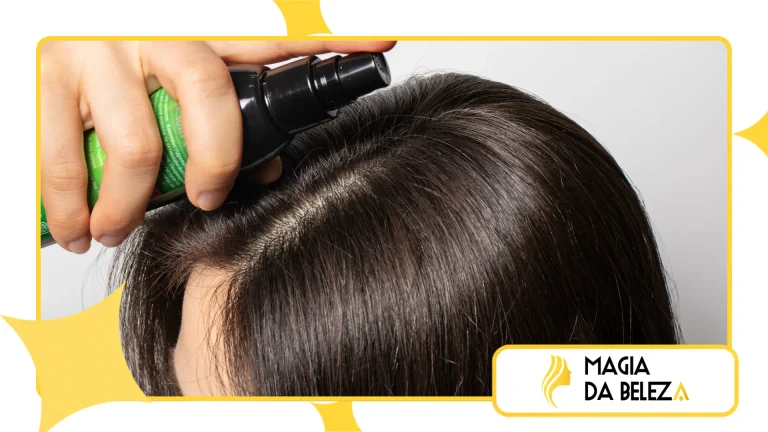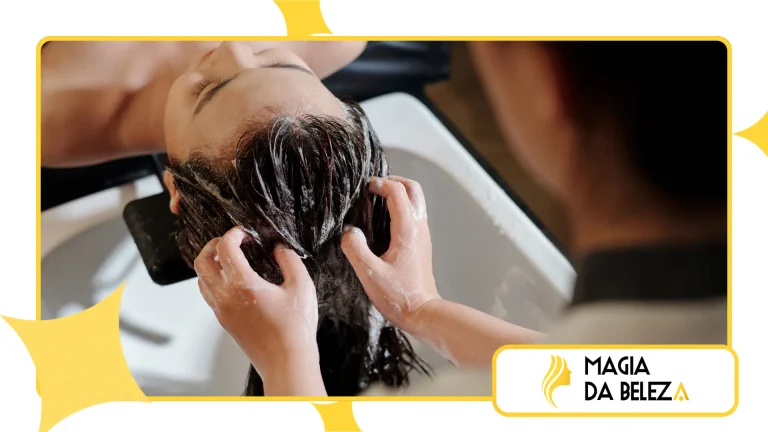

Knowing exactly how apply leave-in hair treatment It's the game-changer between dull hair and that salon-quality finish that survives to the end of the day.
Advertisements
Often, this product is underestimated, treated merely as a post-shower detangling aid.
However, the 2026 formulations have taken a technological leap: they now function as true molecular armors that replenish keratin while you go about your routine.
In this guide, we deconstruct the science of styling so you can stop wasting product and start seeing real results in your hair fibers.
Summary
- The anatomy of a high-performance treatment.
- Application technique: from preparation to sealing
- The role of continuous lipid repair
- Comparative table of technological assets
- Hidden errors that sabotage treatment.
What defines a next-generation leave-in conditioner?
Unlike styling creams from ten years ago, modern leave-in treatments work with low molecular weight particles.
This means that it not only "masks" the hair strand, but penetrates layers where regular hydration doesn't reach, creating a moisture retention network.
These hybrid formulas combine thermal protection, UV filtering, and amino acid replenishment.
To the apply leave-in hair treatmentBy doing this, you are effectively sealing the hair cortex against color oxidation and protein damage caused by urban pollution.
The strategic use of this item avoids the vicious cycle of constant trimming. It's a preventative maintenance measure that keeps the ends intact for much longer.
Professional technique: How to apply leave-in hair treatment
The effectiveness of any hair cosmetic product is lost in excess water. A common, almost instinctive mistake is applying the cream to soaking wet hair, which dilutes the active ingredients and prevents the necessary adhesion to the cuticle.
The first step is to remove the moisture with a microfiber towel, using pressing motions, never rubbing.
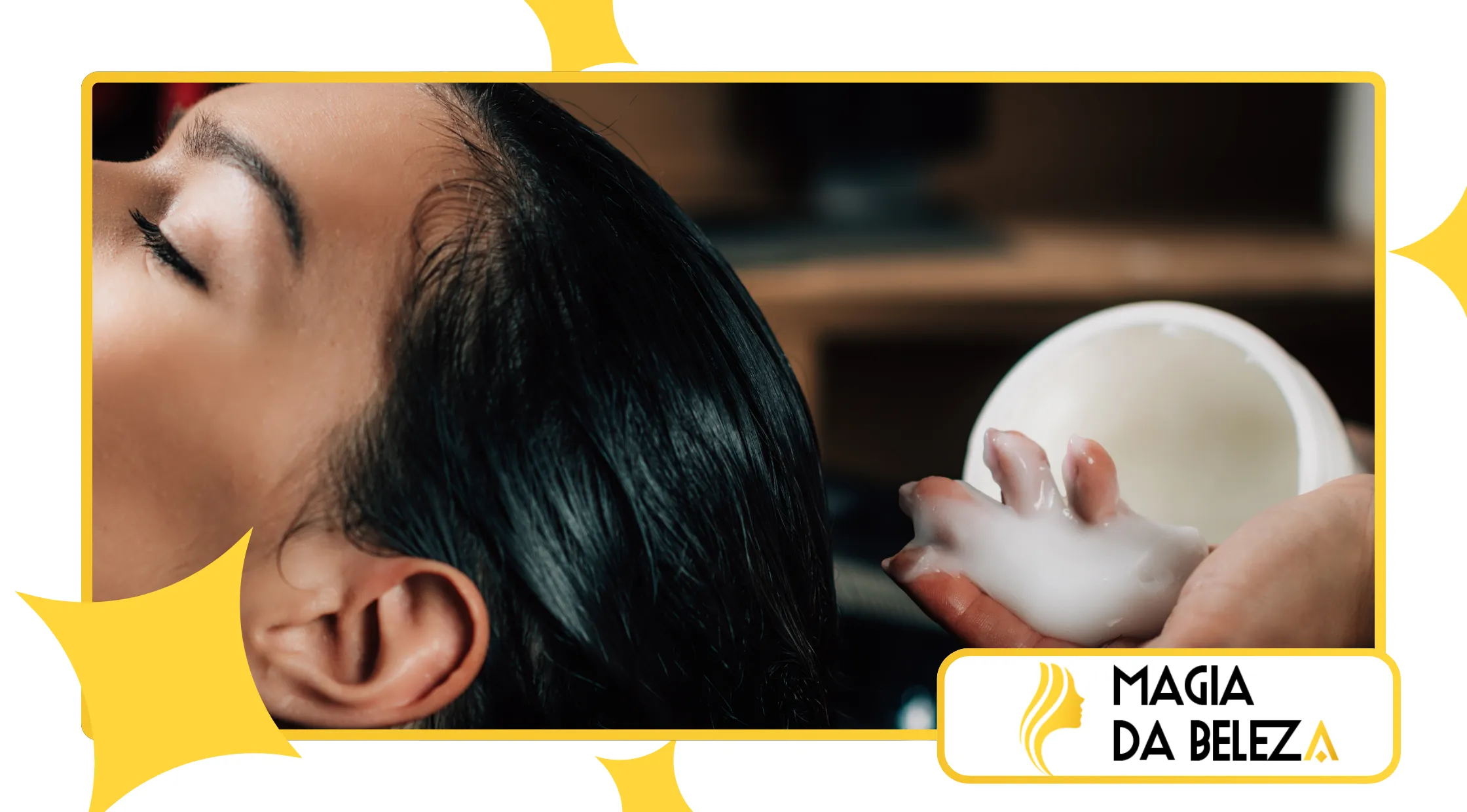
Spread a small amount of the product in the palm of your hands to "awaken" the essential oils and polymers in the formula through frictional heat.
Start distributing the product at the ends — the most vulnerable and oldest part of the hair strand — and work your way up to the mid-lengths.
Avoid the scalp; the natural oils at the roots already do their job there, and the buildup of residue can lead to flaking.
Use a wide-tooth comb to ensure that no strand is left unprotected. This step is crucial if you intend to use heat styling tools immediately afterward, as it ensures that the thermal barrier is uniform.
++ A guide to sulfate-free products for healthier hair.
Regarding dosage: less is almost always more. The heavy effect that many complain about usually comes from excessive enthusiasm when pressing the pump. Start with the equivalent of a coin and adjust if needed.
The urgency of thermal protection
Skipping heat protectant before blow-drying is essentially cooking the hair's hydrogen bonds. Extreme heat without a barrier disintegrates proteins, making the hair strand porous and brittle in record time.
Current finishing products utilize thermoreactive polymers that activate precisely under heat.
Instead of causing damage, the dryer acts as a sealing agent, locking in shine and providing a silky feel that lasts until the next wash.
Decide apply leave-in hair treatment It is also an environmentally friendly choice. Metallic particles suspended in the air of large cities have difficulty adhering to properly sealed surfaces.
For a more technical analysis of the chemical safety of the formulations, it is worth exploring the... Cosmetic Analysis Ingredient Guide, which dissects the toxicity and efficacy of global assets.
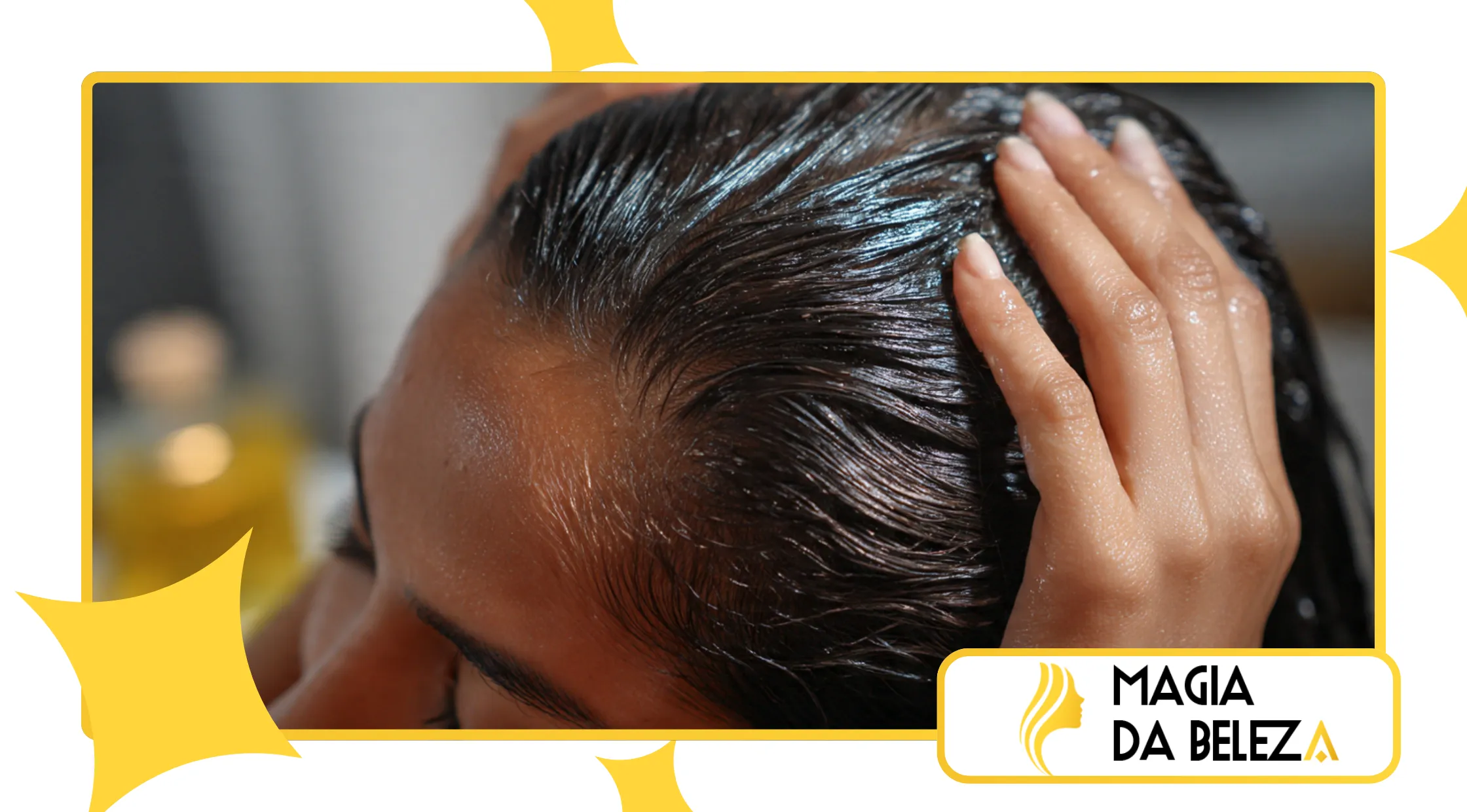
Selecting ingredients: What does your hair really need?
The marketing is often noisy, but the ingredients are honest. Hair that has undergone bleaching has different needs than naturally dry or curly hair.
Volatile silicones, for example, are the misunderstood heroes of 2026.
They provide the necessary slip for styling and evaporate gradually, preventing that sticky residue that attracts dust and leaves hair lifeless after a few hours.
Read more: Finishing Techniques That Work Without a Mirror
The table below summarizes the components you should look for on the label according to the current state of your hair.
| Active in 2026 | Primordial Function | User Profile |
| Hyaluronic Acid | Deep water retention | Dehydrated and dull hair |
| Quinoa Protein | Mass replacement | Elastic or chemically treated hair |
| Baobab Oil | Flexibility and shine | Curly and frizzy hair |
| Ceramides III | Cuticle sealing | Split ends and porosity |
When does its use become a problem?
There's a fine line between protection and saturation. Leave-in conditioner is a complement, not a substitute for shampoo and conditioner.
If your hair feels stiff or "waterproof," you may be suffering from buildup (product buildup).
In these cases, it's vital to alternate the routine with a deep cleansing shampoo every two weeks. This "resets" the hair fiber, allowing subsequent applications to deliver the expected performance.
++ Wellness routine to reduce cortisol and improve focus.
Observing porosity is key. If the hair absorbs the product instantly but remains rough to the touch, its lipid barrier is compromised, and you may need a higher dose of oils before... apply leave-in hair treatment.
Differentiating categories: Leave-in conditioner vs. Styling cream
The confusion between these terms is understandable, but editorially necessary. Conditioner serves to neutralize the pH after shampooing and should be completely rinsed out.
Styling cream, on the other hand, focuses on aesthetics: volume control and curl definition.
Leave-in hair treatment is a step beyond. It's formulated to stay in place, treating the internal health of the hair shaft while you sleep or work. It's the product for those who prioritize structural integrity over just the "look".
Even those who don't use hair straighteners should adopt this habit. Solar radiation is one of the biggest agents of melanin and keratin degradation. Keeping your hair protected helps maintain vibrant color for longer.
Refining the finishing touches
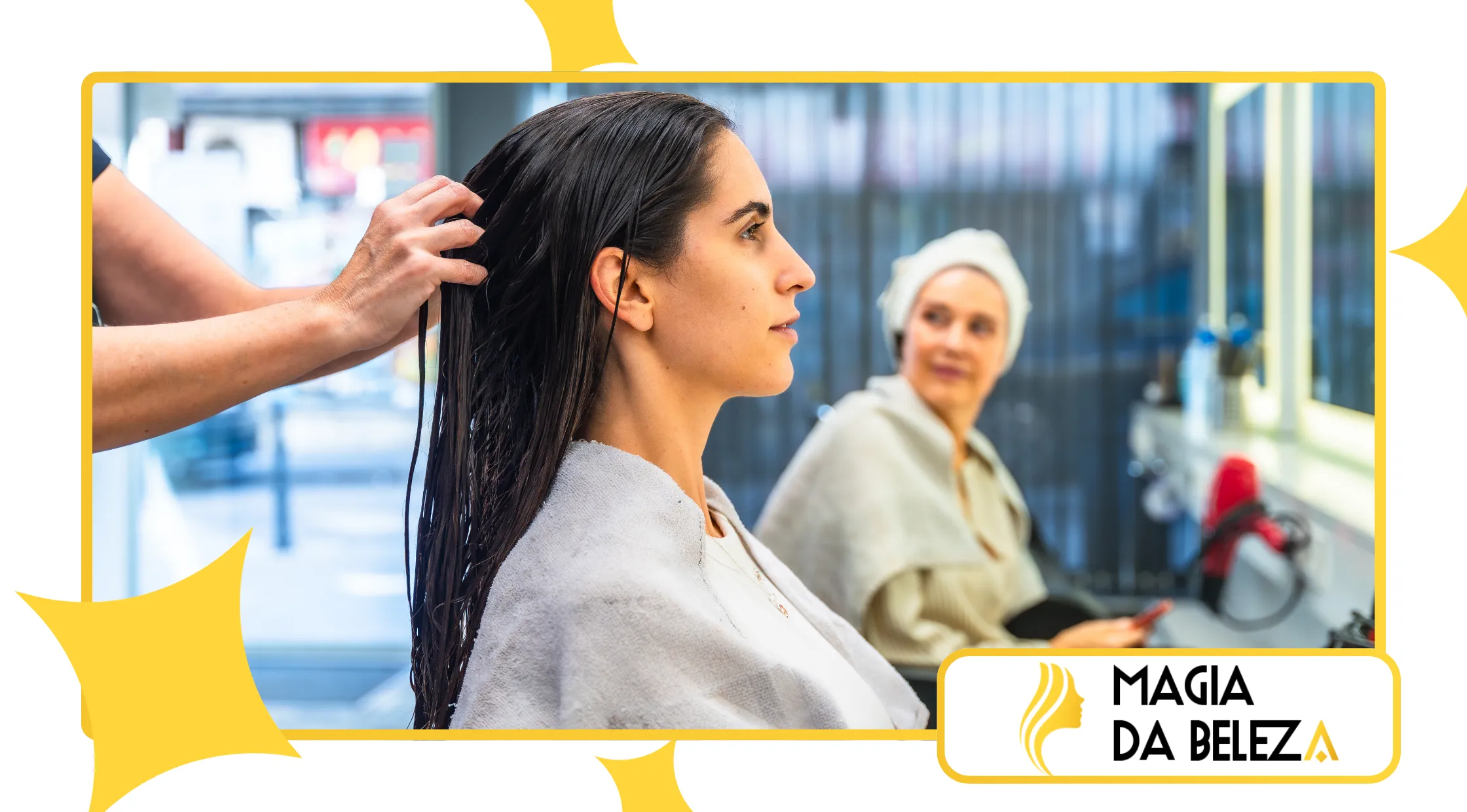
For those seeking magazine-quality results, applying the product in sections is the key. Dividing the hair into quadrants allows you to work strand by strand, ensuring that the nape of the neck and inner layers receive the same attention as the top of the head.
Downward (top-to-bottom) movements help to mechanically align the cuticle scales. This small detail causes the light to reflect more linearly, resulting in the much-desired mirror-like shine.
If your hair is fine, opt for light mists or sprays. If it's thick and dense, balm or cream textures offer the necessary control. The key to success lies in choosing the right density for your hair type.
Consistency is what dictates evolution. apply leave-in hair treatment As a daily ritual, you interrupt the process of hair erosion and allow the hair to grow much stronger.
To understand safety standards and new studies on hair health in Brazil, consult the portal of... Brazilian Association of Cosmetology.
FAQ
Can leave-in conditioner weigh down very fine hair?
Yes, if the hair texture is very thick. For fine hair, it's best to use spray versions and focus the application strictly from the mid-lengths to the ends.
What is the real difference of apply leave-in hair treatment On dry hair?
On dry hair, the product acts more as a shine enhancer and provides temporary frizz control. On damp hair, it penetrates better and treats the hair fiber in a lasting way.
Can I mix hair oil with leave-in conditioner?
It's a common technique to increase the nourishing power, but be careful not to destabilize the product's formula. Use only one drop of oil for the amount of cream you've already separated in your hand.
Does the product protect against pool water?
Yes, creating a treatment layer before entering the water helps prevent chlorine and salt from penetrating the fiber, preventing excessive drying and discoloration.
++ Leave-in conditioner: what it's for, how to use it, and which one to choose.
++ What is leave-in conditioner, what is it used for, and how do I use it?