
Can the hormonal health really influence the appearance and quality of our skin? hormonal balance It is very important to have a healthy skin.
Advertisements
We often don't realize how hormonal dysregulation affects our skin care.
When we talk about hormonal balance, we are not just talking about estrogen or testosterone.
We are talking about a complex set of hormones.
If well regulated, these hormones can make our skin glow.
But if they are not in harmony, dermatological problems can appear.
Between the ages of 15 and 35, the production of sebum in the skin increases significantly.
This is because the sebaceous glands become more active at this age.
Additionally, 2 in 5 women feel that their skin becomes more sensitive during menstruation.
This may be due to lower levels of estrogen.
Main Points
- THE hormonal balance is essential for the maintenance of healthy skin.
- Sebum production increases between the ages of 15 and 35 due to the activity of the sebaceous glands.
- 2 in 5 women notice increased skin sensitivity during menstruation.
- Dysregulated hormones can lead to several health problems. skin care, as acne and dry skin.
- Monitoring hormonal changes can help you treat skin problems more effectively.
Introduction to the Relationship Between Hormones and Skin
It is very important to understand how *hormones and skin* relate.
THE estrogen It helps a lot with skin hydration and elasticity. But when *estrogen* levels drop, the skin can become drier and full of wrinkles.
The excess of testosterone in women it can cause acne and oiliness.
This shows how hormonal changes affect the skin.
THE testosterone regulates skin oiliness, showing the impact of hormonal fluctuations.

Cortisol, the stress hormone, is also important.
High levels of cortisol can make your skin age faster and cause acne. Therefore, it is essential to manage stress to maintain *skin health*.
A healthy diet, exercise and relaxation techniques help a lot.
In pregnancy, *estrogen* levels and progesterone make hair thicker.
But after giving birth, these levels drop and can cause hair loss. This shows how hormones affect skin and hair throughout life.
Understanding how hormones affect the skin is crucial.
Consulting dermatologists and endocrinologists helps you take better care of your skin.
They can help maintain the healthy skin and radiant in all stages of life.
How Testosterone Influences the Skin
Testosterone is a hormone that everyone has. It is made in the testicles, ovaries and adrenal glands.
It helps a lot in skin health, controlling the sebaceous glands. These glands make the skin smooth and protected.
When testosterone is at the right levels, your skin stays hydrated. This helps prevent your skin from losing too much water.
If testosterone levels change, your skin may experience problems. For example, if there is too much testosterone, your skin may become oily. This can cause acne.
Studies show that up to 80% of young teenagers and 30% of young adults have acne because of testosterone.
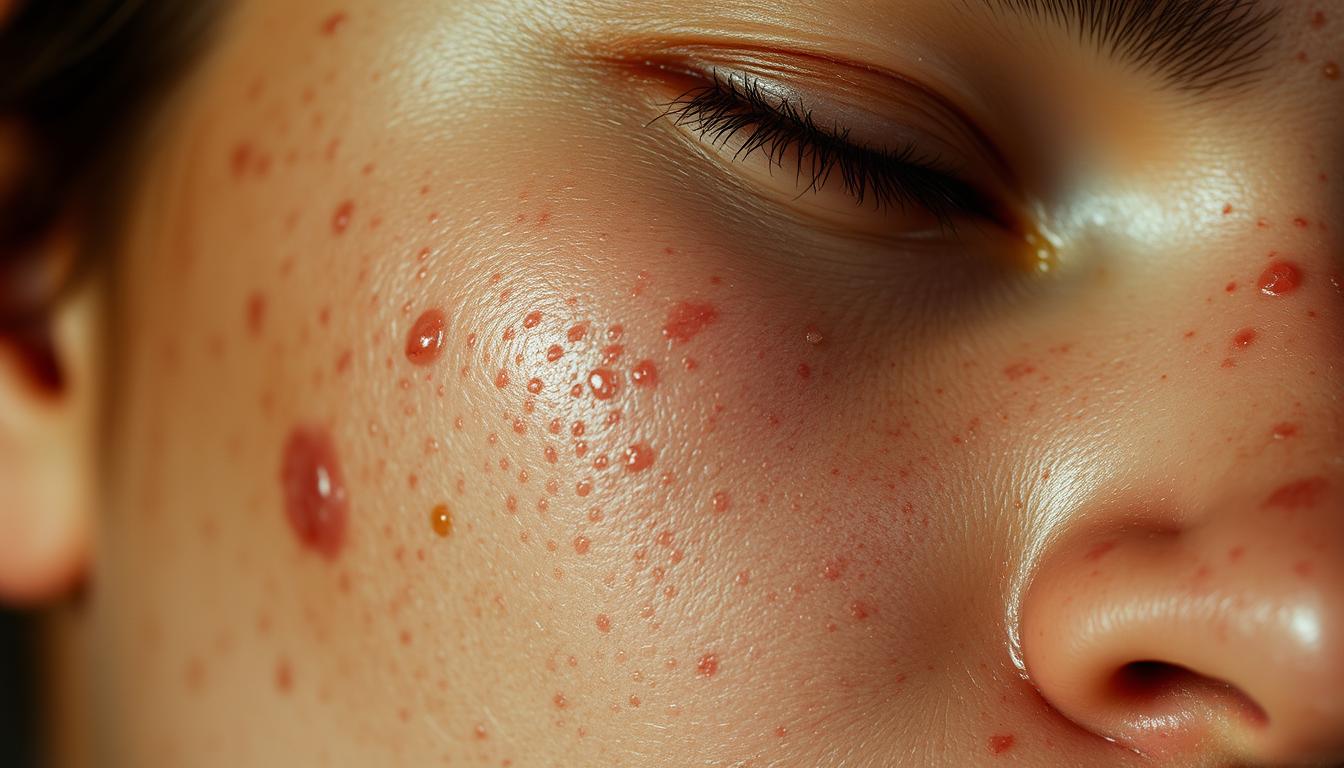
Men's skin is thicker and more durable due to testosterone, while women's skin is thinner and more prone to aging.
This is because they have less testosterone.
When your skin produces too much oil, it's more prone to acne. This is common during adolescence.
Taking good care of your skin and living a healthy lifestyle can greatly improve acne.
A low glycemic diet can decrease testosterone by up to 15%.
Exercise also helps keep hormone levels in balance.
| Relationship Between Testosterone and Skin | Effects |
|---|---|
| High testosterone levels | Oily skin, increased acne |
| Low testosterone levels | Reduction in collagen production, appearance of wrinkles |
| Maintenance of hormone levels | Hydrated and protected skin |
Effect of Estrogen on Skin Health
Estrogen is very important for skin health. It helps to maintain the healthy skin.
During puberty, estrogen helps develop sexual characteristics and changes the skin.
Estrogen helps a lot in skin hydration. It is essential for the production of collagen and elastin.
These proteins keep the skin firm and elastic.
With estrogen, the skin becomes more hydrated, which reduces wrinkles and prevents sagging.
When estrogen changes during the menstrual cycle and menopause, the skin suffers.
During menopause, the skin becomes thinner and drier. It is also more prone to wrinkles and heals more slowly.
To better understand estrogen and the skin, here are some important facts:
| Phase | Estrogen Level | Impact on the Skin |
|---|---|---|
| Puberty | High | Development of secondary sexual characteristics and beginning of collagen and elastin production. |
| Menstrual Cycle | Floating | Variation in skin hydration and oiliness, possible increase in acne. |
| Menopause | Low | Thinner, drier skin with less elasticity and a greater tendency to wrinkles and slow healing. |
Maintaining adequate estrogen levels is crucial for your skin.
Hormone replacement therapy (HRT) can be very helpful, especially during menopause. It helps to keep your skin healthy and beautiful.
Hormonal Health and Beauty: Acne and the Menstrual Cycle
Hormonal changes in the menstrual cycle greatly affect acne.
About 60% of women experience more acne before their period. This is because androgen levels increase.
These hormonal changes cause the sebaceous glands to produce more sebum.
This leads to blockages and inflammation, causing acne.
In the luteal phase, levels of androgens, such as testosterone, increase.
This causes more sebum to be produced, making acne worse.
This problem affects between 75 and 85% of adult women.
During pregnancy, more than half of women experience acne, especially at the beginning. This is because hormone levels are high.
THE menopause also brings challenges. With less estrogen and progesterone, sebum production increases.
This can make acne worse. Taking good care of your skin is crucial during this time.
To deal with acne, it is important to use the right products.
Products with benzoyl peroxide help kill bacteria.
Hormone therapy, such as oral contraceptives, also helps control acne.
A routine of skin care improves women's lives, including mental well-being.
| Situation | Acne Incidence |
|---|---|
| Premenstrual | 65% |
| Pregnancy (first trimester) | More than half of women |
| Perimenopause | Decreasing estrogen levels, increased sebum production |
| Birth Control Pill | Effective in controlling acne |
Hormonal Health
Keep the hormonal balance is crucial for our health.
Hormones such as GH, insulin and thyroid are essential.
They help in the development of the body's tissues and organs.
Cortisol, or the stress hormone, helps us deal with stress. It mobilizes energy and modulates the immune system.
An imbalance in cortisol can increase blood pressure and cause inflammation.
This increases the risk of cardiovascular disease. In addition, sex hormones such as estrogen and testosterone are important for heart health.
Have the correct levels of sex hormones and vitamin D is essential for bones.
This helps prevent osteoporosis.
Hormones such as leptin and ghrelin control appetite and weight.
Imbalances can lead to obesity. Some cancers, such as breast and prostate cancer, are also linked to hormonal imbalances.
Avoiding foods high in sugar and trans fats is a hormonal health tip important.
These foods can affect insulin and hormone production.
Exercising regularly helps control insulin and improves fertility.
Eating balanced foods rich in vegetables and lean proteins is essential.
Avoiding refined sugar and trans fats is also important.
Symptoms of hormonal imbalance include menstrual cramps, mood swings, and weight gain.
Fatigue, menstrual irregularities and hair loss are also signs.
To deal with stress, techniques such as mindfulness and meditation are recommended.
Adopt these practices and follow the hormonal health tips can improve our health and well-being.
Hormonal Health: Impact of Progesterone on Skin
THE progesterone is an important hormone for the skin. Its impact is significant, but less direct than estrogen and testosterone.
It helps control water retention and keep the skin elastic.
When progesterone is in balance, skin becomes firmer and more hydrated. This is essential for a healthy, youthful appearance.
At certain stages of the menstrual cycle, progesterone can cause acne in up to 50% of women.
This happens because it causes the sebaceous glands to produce more oil, making the skin oily and prone to problems.
Additionally, progesterone can make skin appear brighter and more flushed.
This is because it dilates the blood vessels.
Menopause brings a drop in progesterone levels. This negatively affects the skin health.
Skin loses firmness and elasticity, and up to 50% of women develop wrinkles and sagging skin after age 50.
| Situation | Effects of Progesterone |
|---|---|
| Puberty | Increased oiliness and acne in up to 50% of women |
| Menstrual Cycle | Variation in sebum production, culminating in oily skin |
| Menopause | Loss of firmness and elasticity, increased wrinkles |
Understand the effects of progesterone helps us take better care of our skin. This way, we can maintain a radiant and healthy appearance.
++ Inner Beauty: How to Cultivate Happiness and Reflect It in Your Appearance
How Diet Affects Hormones and Skin
Diet directly affects your skin. Eating foods with a high glycemic index, dairy products, and saturated fats can cause acne.
This applies to both young people and adults.
The Western lifestyle, with its high fat and refined carbohydrates, makes the situation worse.
This eating pattern is a big problem for the skin.
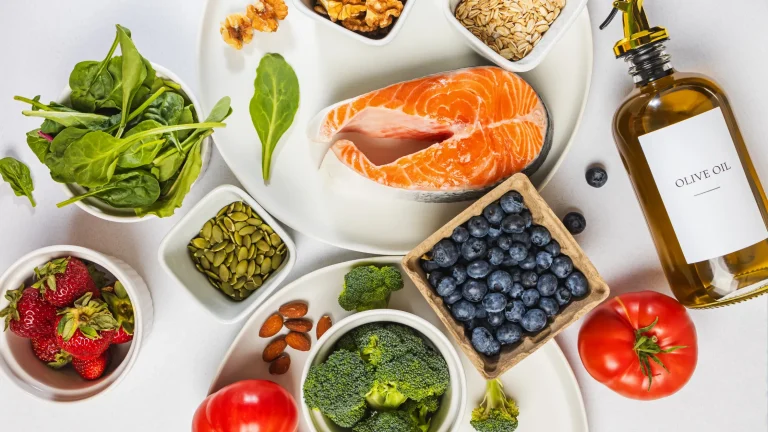
It is crucial to have a healthy diet for your skin. Including fruits, vegetables, greens, whole grains, and proteins is essential. This improves the health of your skin.
Reducing your intake of milk, white flour, sugar and chocolate helps a lot. This controls insulin and improves your skin.
Processed foods are bad for you hormonal health and, consequently, for the skin.
Having nutrients such as vitamins, minerals and antioxidants is essential. They improve acne and the appearance of the skin.
Drinking water is very important for your skin. Even though there is no specific amount.
Diets rich in fiber and natural vitamins protect cells and eliminate toxins.
Eating natural foods reduces inflammation in the body. This improves the quality of the skin.
Hormonal changes, such as menopause, require attention to diet.
The drop in estrogen affects collagen. This can cause skin problems.
Conditions such as polycystic ovary syndrome and high insulin also affect the skin.
Therefore, it is crucial to choose foods that help keep hormones in balance.
Lifestyle Tips for Maintaining Healthy Skin
Maintaining a healthy lifestyle is essential for your skin. Regular exercise improves your health and that of your skin.
They increase blood circulation, leaving the skin more radiant.
Getting a good night's sleep is crucial for your skin. Getting 7 to 9 hours of sleep helps your skin regenerate.
Using sunscreen with SPF 30 or higher protects against UV rays.
THE chronic stress harms the skin. It can worsen acne and eczema.
It is important to practice meditation and yoga to deal with stress.
A healthy diet is vital for your skin. Eating leaves, greens, vegetables and fruits is essential.
Reducing sugars and processed foods prevents skin inflammation.
Regular consultations with dermatologists or beauticians are important.
They give wellness tips and recommend products for your skin type.
By adopting these habits, our skin will be healthy. And our lifestyle will be balanced and vibrant.
++ 8 Tips to Moisturize Your Lips and Prevent Chapped Lips
Beauty Products That Help Balance Hormones
You hormonal beauty products are becoming more popular.
They offer incredible benefits for the skin. These products treat and prevent hormonal problems that affect skin health.
“Women’s Hormone Balance” is a notable example. Its formula contains ingredients such as Black Cohosh and Bacopa Monnieri.
These substances help relieve menopause symptoms and improve cognitive performance.
Ingredients like Soy Isoflavone, Selenium and Folic Acid are essential.
Isoflavone helps normalize estrogen levels.
Selenium is an important antioxidant. And Folic Acid prevents fetal deficiencies during pregnancy.
| Ingredient | Benefit |
|---|---|
| Black Cohosh | Reduces symptoms of menopause |
| Bacopa Monnieri | Improves cognitive performance |
| Soy Isoflavone | Normalizes estrogen levels |
| Selenium | Antioxidant action |
| Folic Acid | Prevents fetal deficiencies |
Furthermore, hormonal cosmetics with Evening Primrose oil are effective.
They help relieve PMS symptoms. Omega-3 fatty acids are also important.
They have anti-inflammatory action, essential for hormonal balance.
To choose hormonal beauty products specific improves appearance and takes care of hormonal health.
The combination of hormonal cosmetics and a balanced diet brings benefits to the skin.
++ Exercises to Reduce Stress and Increase Energy in Everyday Life
Hormonal Health and Beauty: Conclusion
Keep a hormonal health summary balanced is crucial for healthy skin.
We discuss how hormones affect the skin and how to improve it.
We saw the importance of food, lifestyle and beauty products.
Symptoms such as acne and menstrual irregularities may indicate hormonal problems.
It’s important to recognize these signs and take action. Simple changes like a balanced diet and exercise can greatly improve your skin.
The search for hormonal beauty goes beyond aesthetics. It's about health and well-being.
Let's make these changes and follow best practices.
Thus, we will achieve the perfect skin that everyone wants!