
Search homemade bond-repair treatments It's the first smart step to recovering chemically damaged hair without spending a fortune at traditional beauty salons these days.
Advertisements
Hair science has advanced significantly in recent years, allowing complex reconstructive technologies to safely reach pharmacy shelves and our bathrooms.
In this comprehensive guide, you will learn exactly how to restore the internal structure of your hair using affordable products and methods tested by trichology experts.
What you will discover clearly in this detailed article, based on the main questions sent in by readers and consumers of everyday cosmetics:
- Understand in detail how advanced bridge-rebuilding technology works deep within damaged hair strands, restoring natural strength and preventing future chemical breakage.
- Discover the most effective active ingredients that you should actively look for on cosmetic labels to ensure you are buying a truly effective product.
- Master practical and safe routines for applying these products at home, extracting maximum benefit from each step of the recommended hair treatment.
What are disulfide bridges and why do they break?
Our hair is made up of keratin, which is held together by strong chemical bonds called disulfide bridges, essential for its strength and natural shape.
Processes such as bleaching, aggressive straightening treatments, and the constant use of heat styling tools break down these structural bonds, leaving the hair strands elastic, brittle, and extremely porous.
Unlike a regular moisturizing mask, a bond-rebuilding mask works at the molecular level, reconnecting these broken protein chains to restore their original strength.
How do they work? homemade bond-repair treatments?
Current cosmetics formulated for home use utilize innovative molecules such as maleic acid and specific peptides to penetrate deeply into the hair fiber damaged daily.
They create new temporary or permanent bonds between the keratin chains, stabilizing the hair structure before total breakage actually occurs.
Those homemade bond-repair treatments They guarantee incredible progressive results, requiring consistency in weekly applications to keep the cortex protected against future mechanical and chemical damage.
Best ingredients to look for on labels
When choosing your product at the market, ignore the miraculous promises on the front packaging and go straight to the list of ingredients on the back of the bottle.
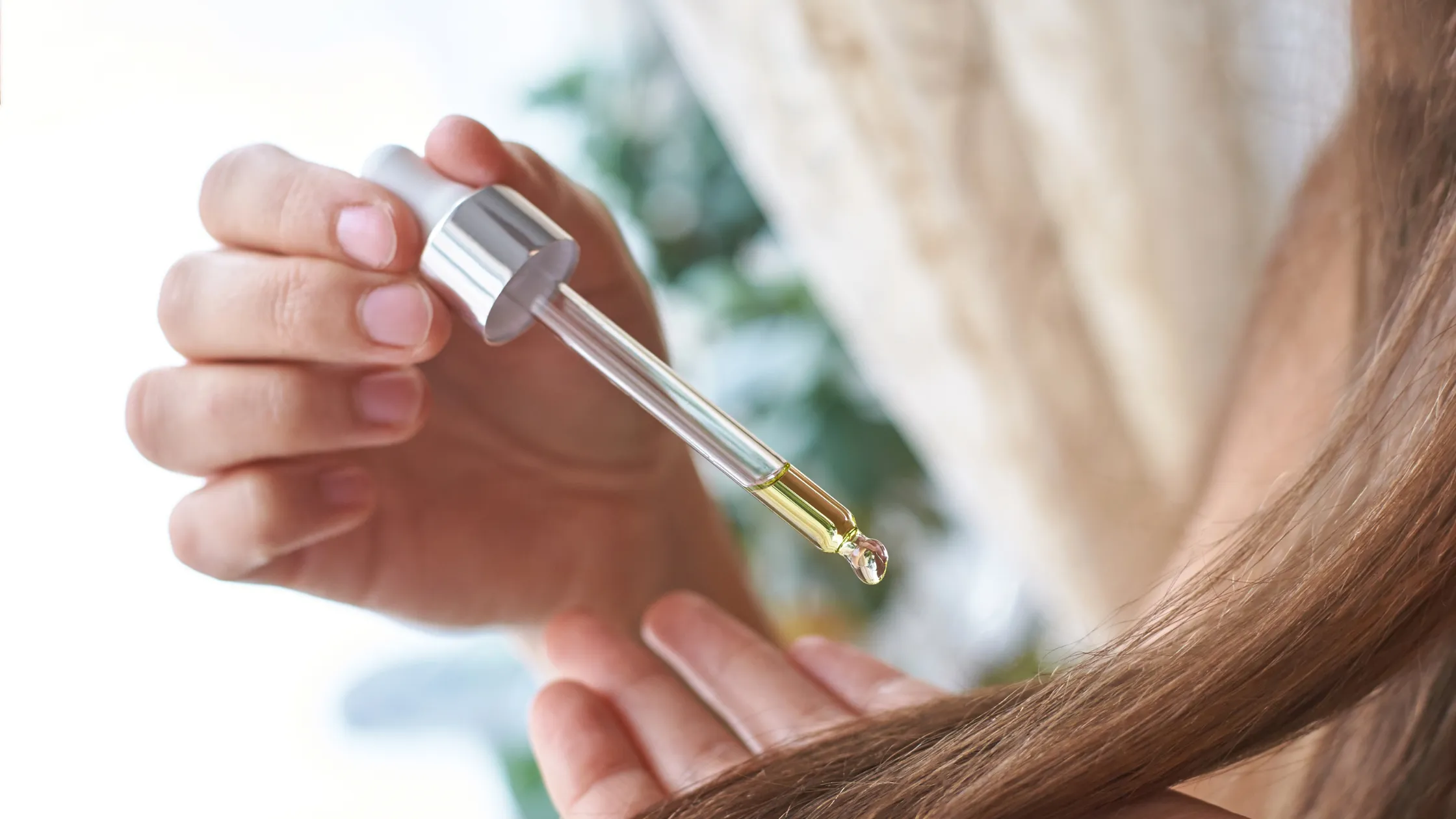
Look for ingredients like Bis-Aminopropyl Diglycol Dimaleate, renowned for its use by pioneering brands, or Itaconic Acid, widely used in new formulations for advanced reconstructive skincare.
The use of Organic acids in structural hair repair. It has robust scientific evidence demonstrating effectiveness in restoring tensile strength after severe oxidative damage.
Furthermore, free amino acids and biomimetic ceramides enhance the reconstructive action, filling the gaps left by the loss of hair mass during daily washing.
Difference between traditional reconstruction and bridge repair.
Many people confuse traditional keratin masks with true bridge repairers, but their biological functions are quite different in daily practice.
Keratin deposits proteins on the surface of the hair strand to thicken the cuticle, which can cause excessive stiffness if used without control or breaks.
++ What is hair cycling and why is it becoming so popular?
Bonding agents, on the other hand, work internally without overloading the external texture, restoring natural elasticity and preventing the dreaded cracking effect due to stiffening.
Comparative Chart of Hair Treatments
| Feature | Keratin Mask | Bridge Repairman |
| Main action | External mass replacement | Internal molecular reconnection |
| Ideal frequency | Every fifteen days | Weekly or pre-wash |
| Tactile result | Thick and stiff threads | Flexible and very strong threads |
| Indication | Thin or fine hair | Elastic and bleached strands |
Step-by-step application process homemade bond-repair treatments
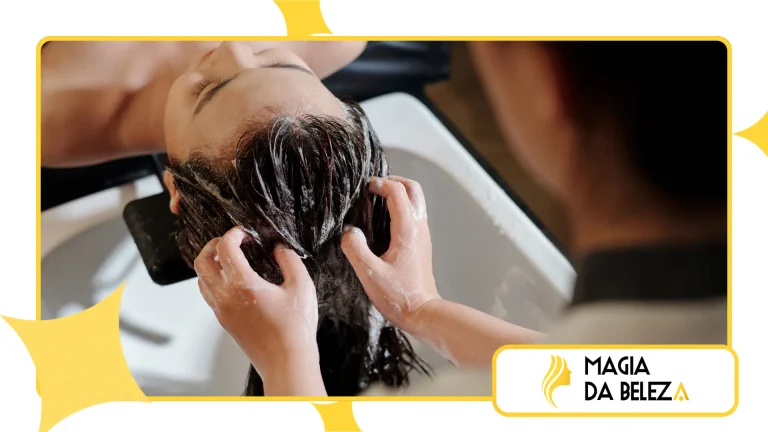
Proper hair preparation is crucial for the success of the reconstructive treatment, so start by washing your hair with a gentle clarifying shampoo to open the cuticles.
Remove excess moisture with a microfiber towel, ensuring that the water does not dilute the active ingredients of the cream that will be applied.
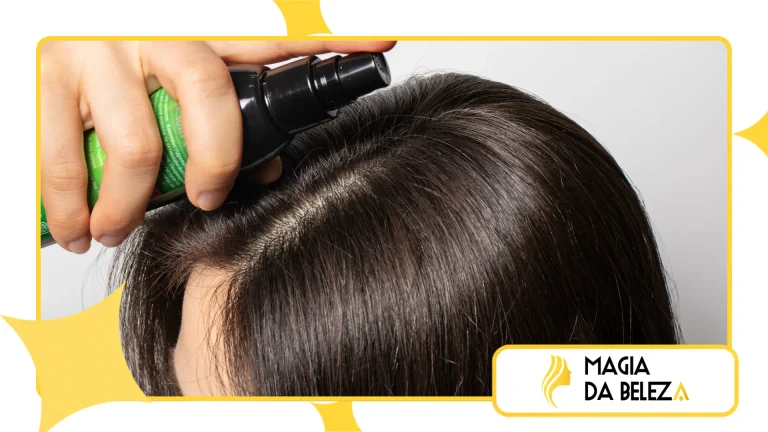
Apply the product strand by strand, carefully coating the hair from top to bottom, always focusing on the most damaged areas and visibly split ends.
Strictly adhere to the pause time indicated by the manufacturer, as the molecular chemistry requires this exact interval to react and fix itself to the internal structure.
Read more: Green and yellow hair: trends to get into the World Cup spirit
Rinse thoroughly using only lukewarm or cold water, finishing with an acidic conditioner to seal the cuticles and retain the treatment within the cortex.
Why invest in this hair care routine in 2026?
Current technological advancements have democratized access to hair therapies previously restricted to professionals, offering real solutions with excellent cost-benefit for Brazilian consumers.
Perform good homemade bond-repair treatments It protects your investment in expensive hair dyes, maintaining vibrant color for much longer without compromising hair health.
++ How to style outfits with a balloon skirt without overdoing the look.
Recent reports from the cosmetics market confirm that products with molecular repair technology are the preferred choice for users seeking consistent and long-lasting results.
Common mistakes that hinder results.
The most common mistake is replacing daily conditioners with intensive repair products, causing a buildup of synthetic ingredients that unnecessarily weigh down the hair in the long run.
Another serious problem is mixing different chemical ampoules in the same container, believing that this will enhance the effect, when in fact it can inactivate the reconstructive molecules.
Applying it to dirty or oily hair also prevents deep penetration, wasting expensive cosmetics that simply go down the drain during the first rinse.
Follow an organized hair care schedule, alternating between repairing structural bonds, nourishing with lipids, and hydrating to maintain the perfect moisture balance of the hair fiber.

Science in favor of hair beauty.
Caring for damaged hair requires basic technical knowledge and appropriate products, making ineffective homemade recipes using foods that don't penetrate the hair structure unnecessary.
You homemade bond-repair treatments They represent the latest advancements in trichology, delivering stronger, silkier hair that is protected against severe breakage.
Assess the real needs of your hair structure, choose formulations recognized in the beauty market, and enjoy completely revitalized hair in the comfort of your home.
The disciplined weekly application of these reconstructors will completely transform the appearance of your hair, restoring your self-esteem without compromising your family budget.
Frequently Asked Questions
What is the ideal frequency for using bridge repairers?
For intensely elastic hair after bleaching, use once a week. If the damage is moderate, applications every two weeks ensure perfect and safe maintenance.
You homemade bond-repair treatments Do they straighten natural hair?
No. The primary function of these cosmetics is solely to restore the strength and integrity of the hair fiber, without altering the natural curl pattern of curly or wavy hair.
Do drugstore products deliver the same results as salon treatments?
Yes, current at-home formulas offer molecular technology similar to professional lines.
Always consult official sources, such as the National Health Surveillance Agency (Anvisa), to check for updated records.
++ DISCOVER TRUE BOND REPAIR TECHNOLOGY
++ Bond Repair products promise to rebuild the hair fiber in hair damaged by chemicals and heat.