
THE liquid hair It has gained popularity in salons by transforming shine, alignment, and movement into a sophisticated and modern look.
Advertisements
The trend draws attention for its extremely polished, silky, and luminous appearance, without necessarily requiring permanent changes to the hair's structure.
But how can you achieve this effect without compromising hair health?
In this article, you will discover what characterizes liquid hair, which techniques help to recreate it, the essential care needed to preserve the strands, and the differences between this trend and other shiny finishes.
In this article, you will understand:
- What characterizes this trend?
- How to achieve the effect in the salon and at home;
- What care practices preserve the hair fiber?
- Differences between liquid hair, glass hair, and the wet look;
- Who can confidently bet on their look?
What is liquid hair?
THE liquid hair It describes extremely smooth, polished, and shiny strands, with a silky appearance and fluid movement. The expression conveys the sensation of a reflective surface that seems to glide.
Despite its almost mirrored appearance, the goal is not to leave the hair stiff. The finish emphasizes lightness, alignment, a soft touch, and movement.
In 2026, specialized publications continue to point to intense shine as an important direction among hair trends.
Why has liquid hair become popular again?
The aesthetic world is undergoing an interesting shift: instead of simply seeking straightening, many people have begun to value hair that looks healthy, well-treated, and luminous.
The trend also accompanies the popularization of glosses, repairing masks, serums, and finishing products capable of temporarily improving the surface of the hair.
How to achieve the liquid hair effect at the salon?
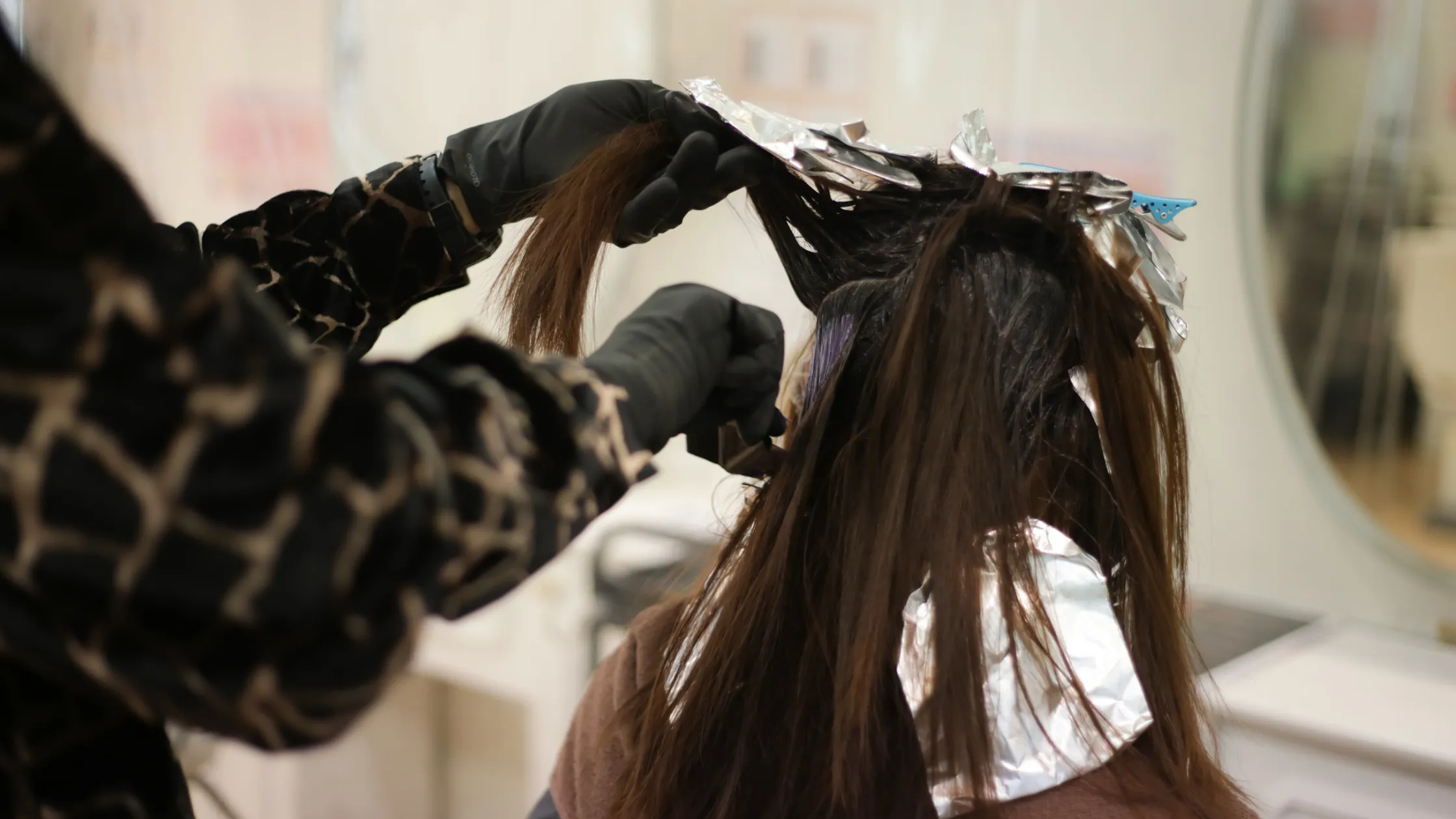
The result begins before the brushing. The professional must assess porosity, chemical history, elasticity, density, and scalp condition before choosing any treatment.
Shine and straightening treatments
Glosses, conditioning masks, straightening treatments, and professional finishing touches can improve light reflection and visually reduce frizz.
++ How to use lamellar water for instant shine in your hair.
The choice depends on the hair structure. Bleached or sensitized hair may require different strategies, especially after chemical procedures or frequent exposure to heat.
Brush and finish
After proper treatment, targeted brushing helps to align the surface of the hair strands. A serum or light oil can finish the look without compromising movement.
A flat iron can enhance the polishing effect, but it shouldn't be considered a solution for damaged hair. High temperatures increase changes in the cuticle when there is repeated exposure to heat.
A study published in 2026 by researchers linked to Physics Institute of USP assessed the damage caused by heat to hair that had undergone chemical treatments.
Does liquid hair damage hair?
The trend itself doesn't cause damage. The problem arises when the pursuit of the perfect finish involves excessive use of flat irons, very hot hair dryers, or repeated chemical treatments.
The American Academy of Dermatology recommends reducing heat exposure, using low or medium temperatures, and applying heat protection before using styling tools.
Read more: How to Adapt Your Hair Care Routine to Seasonal Changes
This care deserves attention because superficial shine can mask a weakened hair fiber. Hair may appear straight immediately but still show signs of breakage or accumulated dryness.
Therefore, the best result does not depend on repeating aggressive processes. It combines treatment, finishing technique, and sufficient intervals to preserve the hair structure.
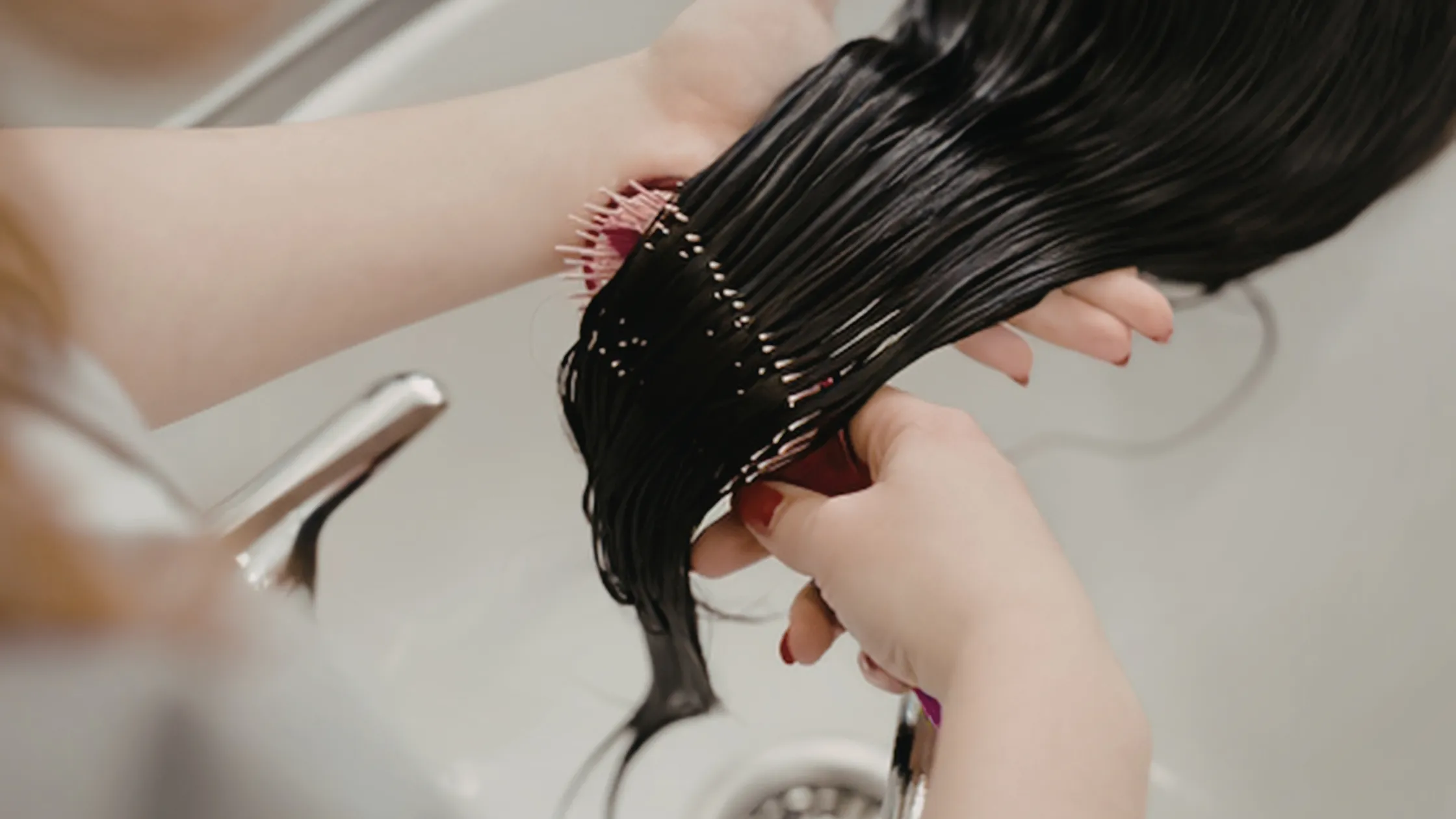
What is the difference between liquid hair and glass hair?
Both styles share a high gloss and a highly polished surface, but they have visual differences. Glass hair usually emphasizes precision, a compact appearance, and an almost mirror-like finish.
Already the liquid hair It prioritizes fluidity. The strands remain extremely aligned, yet exhibit movement and a silky appearance as they reflect the light.
++ Dopamine Fashion: How to Wear Bold Colors Without Overdoing It
The wet look isn't the same either. In this case, gel or pomade creates a wet appearance and hold, while liquid hair aims for shine without actually looking wet.
| Feature | Liquid hair | Glass hair | Wet effect |
|---|---|---|---|
| Shine | Very high | Very high | High |
| Movement | Fluid | More structured | Generally reduced |
| Appearance | Silky and polished | Mirrored and precise | Wet |
| Fixation | Low | Low to moderate | Generally high |
| Objective | Shine with fluidity | Extreme polishing | Simulate wet hair |
How can I keep liquid hair looking good for longer?
Maintenance starts with washing. Use products compatible with your scalp and hair length, concentrating the shampoo mainly on the roots and the conditioner on the necessary areas.
Treatment masks can be incorporated into your routine as needed, depending on your hair type. Porous, colored, or bleached hair usually requires special attention to maintain softness and strength.
When drying, avoid rubbing your hair vigorously with a towel. Dermatologists recommend gently absorbing water and reducing manipulation when hair is vulnerable.
It's also worth reducing the frequency of using heat styling tools. When you need to use them, leave your hair partially dry, apply heat protectant, and keep the tool moving.
What hair types does liquid hair suit?
The trend can inspire different textures, but the visual result changes according to the shape, density, and chemical history of each hair type.
Straight hair achieves this finish more easily, while wavy or curly hair can adapt the style to highlight shine and control frizz.
For fine hair, very heavy products can reduce volume and movement. Conversely, thick or dry hair may require more conditioning formulas.
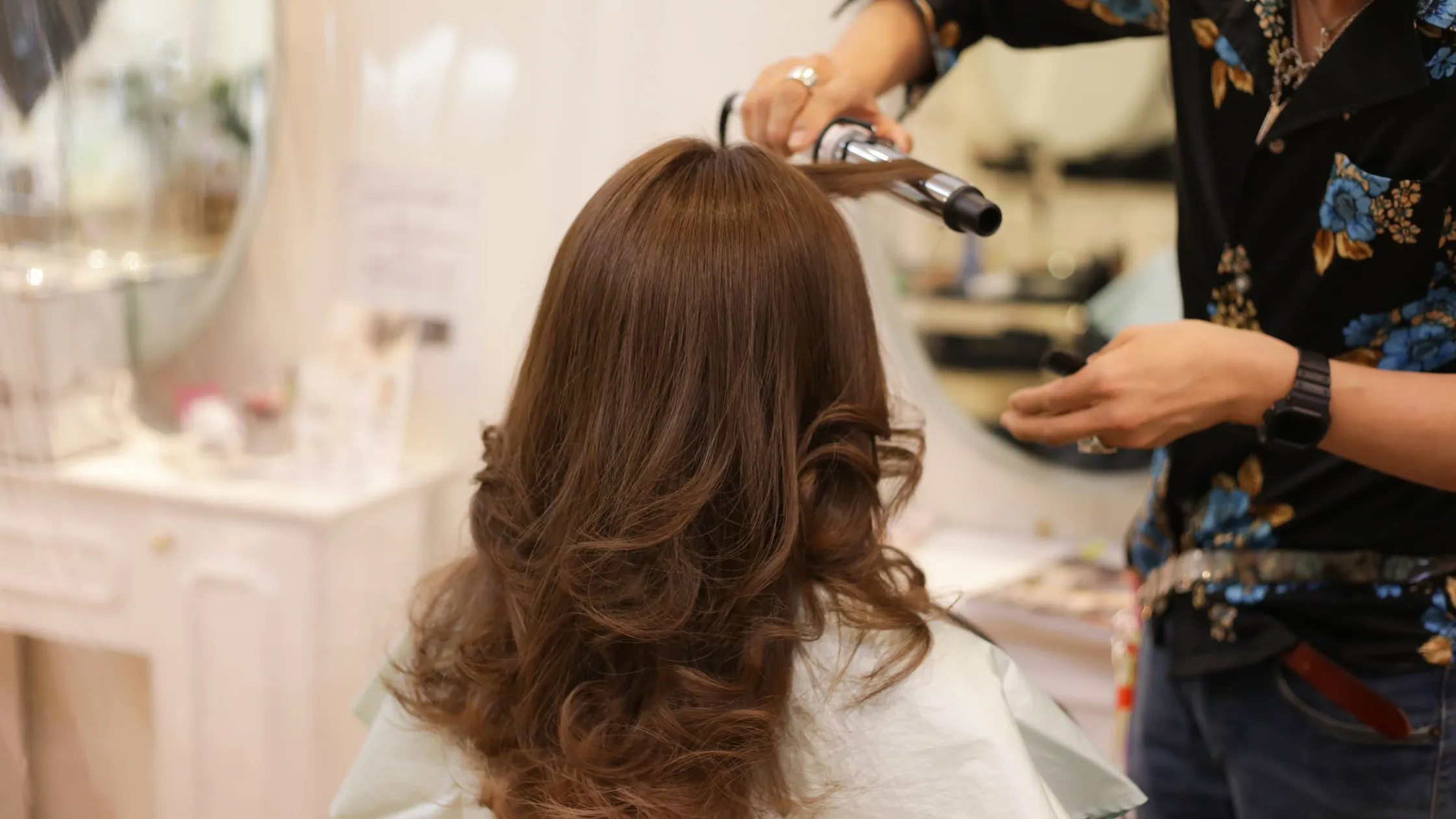
Is it worth investing in this trend?
This is especially valuable for those who like sleek hair and want an elegant look without necessarily relying on a permanent transformation.
Instead of chasing a perfect image, talk to your hairdresser about treatments that are compatible with your hair's history. A good professional should prioritize the integrity of the hair fiber.
Frequently Asked Questions
Is liquid hair the same thing as wet hair?
No. Liquid hair uses shine, straightness, and movement to create a fluid look. The wet look relies on products that simulate moisture and offer greater hold.
Do you need a hair straightening treatment to achieve liquid hair?
No. The look can be achieved with conditioning treatments, brushing, finishing products, and shine techniques. Chemical procedures are not required to reproduce the appearance.
Is a hair straightener necessary to achieve the effect?
No, that's not it either. The tool can intensify the polishing, but it increases heat exposure. Targeted drying, proper brushing, and finishing products can also produce shine.
How to protect your hair during your daily routine?
Use heat protectant, reduce high temperatures, avoid excessive chemical treatments, and maintain a routine compatible with your hair's condition. Guidelines from the American Academy of Dermatology for protecting hair from heat damage.
Conclusion
The trend of liquid hair It's conquering salons because it delivers exactly what many people are looking for in 2026: intense shine, straightness, softness, and movement without a stiff appearance.
The most beautiful result, however, doesn't come from a single tool or treatment. It depends on diagnosis, care, proper finishing, and respect for the hair fiber's limits.
When hair health comes first, shine ceases to be just a fleeting effect and begins to reflect a more careful routine. This combination makes the trend truly interesting.
++ What is the liquid hair trend?
++ Liquid Hair: Learn how to transform the texture of your hair.