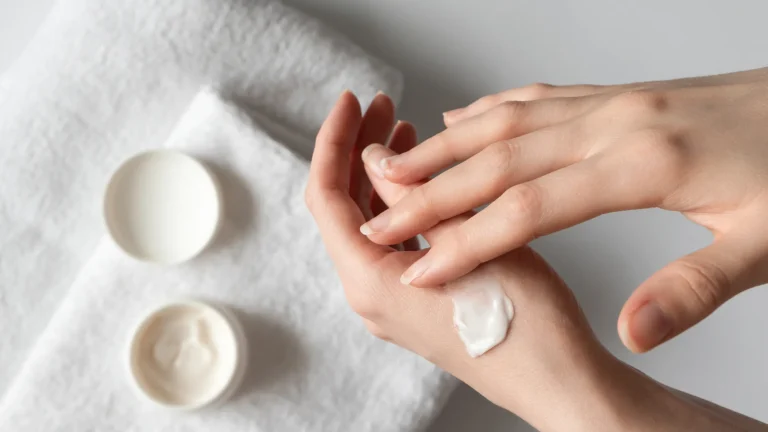


Vegan and natural skincare. At first, clean beauty seems like a direct path to well-being and sustainability.
Advertisements
However, the proliferation of labels demands a more discerning look.
Vegan means the absence of any ingredients of animal origin, such as honey, beeswax, lanolin or collagen.
Natural, in turn, refers to the predominance of raw materials derived from plants, minerals and water.
The challenge arises in the gray area of processed and synthetic ingredients allowed in many so-called “natural” formulations.
A product can be vegan and still contain questionable synthetic additives.
Similarly, a natural product may inadvertently contain or be tested on animal ingredients.
Why Is Label Transparency Your Greatest Protection?
On the other hand, the cosmetics industry, unfortunately, still does not have a rigorous and universal standard for the term “natural”.
This regulatory vacuum makes room for what we call greenwashing, the green makeup of common products.
The attentive consumer should treat the label as a map, not as a mere ornament on the packaging.
The list of ingredients, known as INCI (International Nomenclature of Cosmetic Ingredients), is the compass that points to the true composition.
Ingredients that sound like complex chemical mixtures, with long and difficult names, usually indicate less naturalness.
Safety lies in recognizing the substances you apply and knowing where they come from.
How to Identify Truly Safe Dermocosmetics in the Vegan and Natural Universe?
The key to making a safe choice is to look beyond marketing claims and focus on certification.
Look for seals from independent and recognized organizations that attest to the veracity of the promises.
As well, there are seals that confirm the absence of animal testing, Cruelty-Free, and others that guarantee vegan composition, such as Vegan Society or the seal of the Brazilian Vegetarian Society.
These are the guarantee that the Vegan and natural skincare is ethical.
See how interesting: How to choose the ideal hair color for your skin tone
The level of naturalness is often audited by certifications such as ECOCERT or COSMOS, which define the minimum percentage of ingredients of natural origin.
ECOCERT certification, for example, requires that 95% of the total ingredients are of natural origin.

What Undesirable Components Should I Look for in the INCI?
So, to ensure your product is not only natural but also safe and clean, avoid some common suspects.
Parabens, sulfates, phthalates, and silicones are often excluded from clean formulations.
These compounds are known to be potential irritants, endocrine disruptors, or simply create a false sensation of hydration in the skin.
Find out more: Oily skin in summer: essential products and active ingredients
The safety of dermocosmetics is closely linked to minimizing exposure to such questionable synthetic substances.
The skin, the body's largest organ, absorbs what we put on it, so caution is imperative.
What Are the Real Benefits of Choosing Vegan and Natural Skincare?
Adopt the Vegan and natural skincare It's more than a trend; it's an investment in the long-term health of your skin.
Formulations rich in botanical extracts tend to be gentler.
These natural ingredients provide vitamins, antioxidants, and essential oils in their bioavailable form, which the skin recognizes and utilizes more efficiently.
It's like swapping a processed food for an organic, whole meal.
Additionally, the ethical choice of not using animal ingredients reduces environmental footprint and cruelty.
Recent research demonstrates growing consumer preference for this approach.
According to a 2024 report by Grand View Research, the global vegan cosmetics market is expected to grow at a compound annual rate of 6,3% by 2030, driven by consumer awareness. This real data highlights the relevance of the topic.
How Do the Taste Test and Ingredient List Work Together?
Even with a certified product, caution must prevail, as natural is not synonymous with hypoallergenic.
Essential oils, although natural, can be highly reactive on sensitive skin.
The patch test, applying the product to a small area of the forearm before facial use, is an irreplaceable safety step.
++ Mindfulness vs Meditation: Which Helps More
This simple procedure prevents systemic allergic reactions or contact dermatitis.
A facial serum that uses a citrus essential oil, like bergamot, may be wonderfully scented and vegan, but if it's not photosensitive, it will cause dark spots under sun exposure.
Security is multifaceted.
Otherwise, a moisturizer labeled as Vegan and natural skincare contains shea butter and chamomile extract, but uses a preservative such as Phenoxyethanol, classified as synthetic.
The product is mostly natural, but not “clean” in the strict sense.

How to Safely Transition to Vegan and Natural Skincare?
The transition to cleaner routines should be gradual, giving your skin time to adapt to the new active ingredients.
Using too many new products at once can lead to irritation and confusion.
So, start by replacing one item at a time, like your cleanser or moisturizer, and observe your skin's response over a few weeks. Patience and observation are the keys to this transition.
Imagine that the Vegan and natural skincare It's like an orchestra; all the ingredients must play in harmony to produce the best result.
An ingredient of suspicious origin can throw off the entire composition.
Table: Common Ingredients on Labels and Their Perceived Risks
| Ingredient (INCI) | Category | Perceived Risk (General) | Common Natural Alternative |
| Propylparaben | Preservative | Potential Endocrine Disruptor | Rosemary Extract, Coconut Oil |
| Sodium Lauryl Sulfate (SLS) | Surfactant/Detergent | Skin and Eye Irritation | Coco Glucoside, Decyl Glucoside |
| Petrolatum (Vaseline) | Occlusive/Emollient | Comedogenic Potential, Petroleum Byproduct | Shea Butter, Jojoba Oil |
| Dimethicone | Silicone/Occlusive | Pore Occlusion, Non-Biodegradable | Vegetable Glycerin, Olive Squalane |
Security in the universe of Vegan and natural skincare rests on education and healthy skepticism.
You are your own beauty editor-in-chief; it's your responsibility to audit what you consume.
Can we really trust a product whose ingredient list requires a degree in chemistry to decipher?
The choice for a routine of Vegan and natural skincare is, ultimately, a choice for a cleaner future for your skin and the planet.
The most beautiful skin is the healthiest and most well-nourished skin.
Vegan and natural skincare
Finally, the search for truly safe dermocosmetics requires a commitment to carefully reading labels and choosing brands with reputable certifications.
Discernment is the most powerful tool.
By understanding what constitutes an ethical and clean product, the consumer raises the industry standard and ensures that Vegan and natural skincare be a promise fulfilled.
Frequently Asked Questions
Does a vegan product necessarily have to be natural?
No, a product can be vegan (free of animal-derived ingredients) and still contain a high percentage of safe synthetics. Natural products require predominantly plant-based or mineral-based ingredients.
Do natural cosmetics have a shorter shelf life?
Generally, yes. The absence of strong synthetic preservatives can reduce the product's shelf life, requiring consumers to pay closer attention to expiration dates and storage conditions.
Does the higher price guarantee that the vegan product is safe and of high quality?
The price may reflect the quality of the natural extracts or the cost of certifications.
However, price alone is not an indicator of safety; checking the INCI and seals is always necessary.