

Beauty rituals around the world are as varied as the cultures that originated them.
Advertisements
Each region has its own unique practices, deeply rooted in historical traditions and local values.
By exploring these techniques, we discover not only secrets for taking care of our bodies, but also lessons about self-care, respect for nature and valuing diversity.
Let's embark on a journey through some of the most fascinating customs and reflect on what they have to teach us.
Beauty and Spirituality: The Role of Self-Care in India
In India, beauty rituals are deeply connected to spirituality.
The use of essential oils, such as coconut and amla, is an example.
The hair treatment known as “Champi”, which involves massaging the scalp with heated oils, has been practiced for generations.
In addition to strengthening the hair, this technique promotes relaxation and stress relief.
According to a study published in the Indian Journal of Traditional Knowledge, these oils have antioxidant and antimicrobial properties that benefit both hair and mental health.
Another striking aspect is the practice of Ayurveda, a traditional medicine system that connects body, mind and spirit.
In Ayurveda, beauty treatments involve the use of natural ingredients such as sandalwood, turmeric and honey, known for their anti-inflammatory and revitalizing properties.
These practices reinforce the idea that external beauty reflects internal balance.
Furthermore, Indian rituals often include the application of henna, both as a body decoration and as a hair treatment.
Henna not only beautifies, but also protects the strands from external damage.
Adopting these principles into our daily lives can help us cultivate deeper, more meaningful self-care.
Japan: simplicity and effectiveness in skin ritual
The concept of “less is more” is central to Japanese rituals.
The beauty routine is based on cleansing, hydration and sun protection, prioritizing natural ingredients such as rice and green tea.
“Double cleansing” removes impurities and makeup before nourishing the skin with rich moisturizers.
Another essential element of the Japanese routine is the use of toner, which helps balance the skin's pH and prepare it to receive deeper treatments.
This delicate care reflects the importance of prevention, as Japanese women believe that daily protection prevents future problems such as blemishes and wrinkles.
Furthermore, the bathing ritual is a sacred moment in Japanese culture.
The use of immersion bathtubs, known as “ofurô”, promotes relaxation and detoxification.
During this time, many people use herbs or sandalwood to enhance the benefits of the bath.
This approach teaches us to value simplicity and the transformation of small acts into moments of special care.
+ Benefits of alkaline water and how it can transform your well-being
The secrets of Morocco: ghassoul clay and argan oil
Moroccan rituals emphasize the use of natural and sustainable ingredients.
Ghassoul, a mineral-rich clay, is used to deeply cleanse the skin and hair.
Argan oil, known as “liquid gold”, is a powerful moisturizer that combats premature aging.
The hammam ritual, the traditional Turkish bath, is another essential practice.
This process involves steaming, exfoliation with olive oil-based soaps, and application of ghassoul to purify the body.
The result is soft, renewed skin, as well as a deep state of relaxation.
Another highlight is the use of kohl, a natural pigment used as eye makeup.
In addition to enhancing beauty, it has antibacterial properties and has been used for centuries as protection against the arid conditions of the desert.
Therefore, incorporating these elements into our routine encourages us to adopt more natural and culturally enriching solutions.
Brazil: biodiversity at the service of beauty
Brazil is known for the richness of its flora and the use of natural ingredients such as cupuaçu, açaí and Brazil nuts.
One of the most emblematic rituals is the use of colored clays for facial and body treatments.
Each type of clay has specific properties: green clay, for example, helps control oiliness, while white clay hydrates and softens blemishes.
Another iconic element is the herbal bath, an ancient practice that combines leaves and flowers to revitalize the body and balance energies.
People widely use this tradition in religious celebrations and also as an act of deep self-care.
Furthermore, the application of body oils, such as andiroba and buriti, provides intense hydration and reinforces the skin barrier against external aggressors.
By exploring these practices, we learn about the connection between beauty, spirituality and sustainability.

South Korea: Innovation and tradition in the 10-step routine
Korean beauty has become a worldwide reference due to its famous 10-step routine.
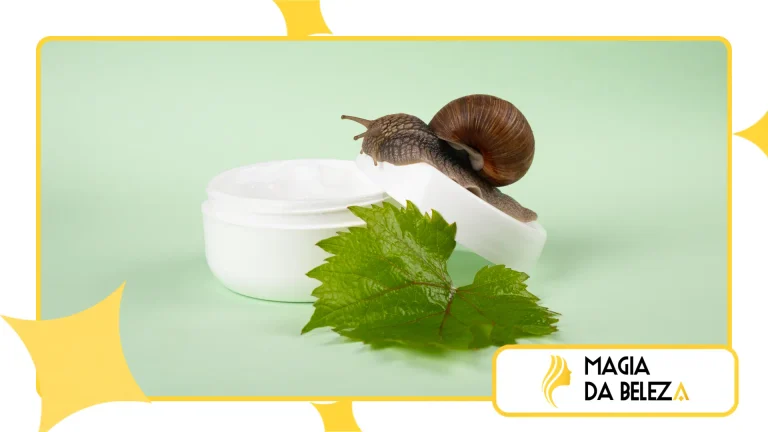
Although it may seem complex, it is based on clear steps: cleansing, hydration and nutrition, using products with innovative ingredients, such as snail mucin and botanical extracts.
The use of sheet masks is another highlight, providing intense and immediate hydration.
These masks are popular for their practicality and visible results, being widely used during moments of relaxation.
This focus on experience also reflects the importance of taking time for yourself.
Another relevant point is strict sun protection, considered essential to prevent damage caused by UV rays.
Therefore, people are widely adopting multifunctional products, such as sunscreens that also moisturize and even out the skin.
This combination of functionality and care reinforces the idea that beauty lies in the details and dedication.
See also: The Best Natural Ingredients for Skin and Hair Care
Table 1: Natural Ingredients and Their Benefits
| Ingredient | Origin | Main Benefit |
|---|---|---|
| Argan Oil | Morocco | Hydrates and combats aging |
| Green Clay | Brazil | Oil control |
| Green Tea | Japan | Powerful antioxidant |
| Amla | India | Strengthens hair |
Table 2: Comparison between Beauty Routines
| Culture | Main Focus | Distinguishing Feature |
|---|---|---|
| India | Relaxation and nutrition | Use of essential oils |
| Japan | Prevention | Minimalism |
| Morocco | Sustainability | Local natural ingredients |
| South Korea | Innovation and tradition | Structured routine |
Lessons to integrate into our routine
Beauty rituals around the world are not limited to products and techniques.
They reveal approaches that promote self-care, connection with nature and respect for one's own culture.
Therefore, trying these customs can transform the way we see beauty, encouraging healthier and more sustainable practices.
How about incorporating a little of each of these traditions into your routine?
This way, you can create a unique and meaningful experience that is aligned with your personal needs.
After all, beauty is much more than appearance: it is a reflection of care and well-being.