
Makeup guide with a blurring effect for naturally translucent skin.
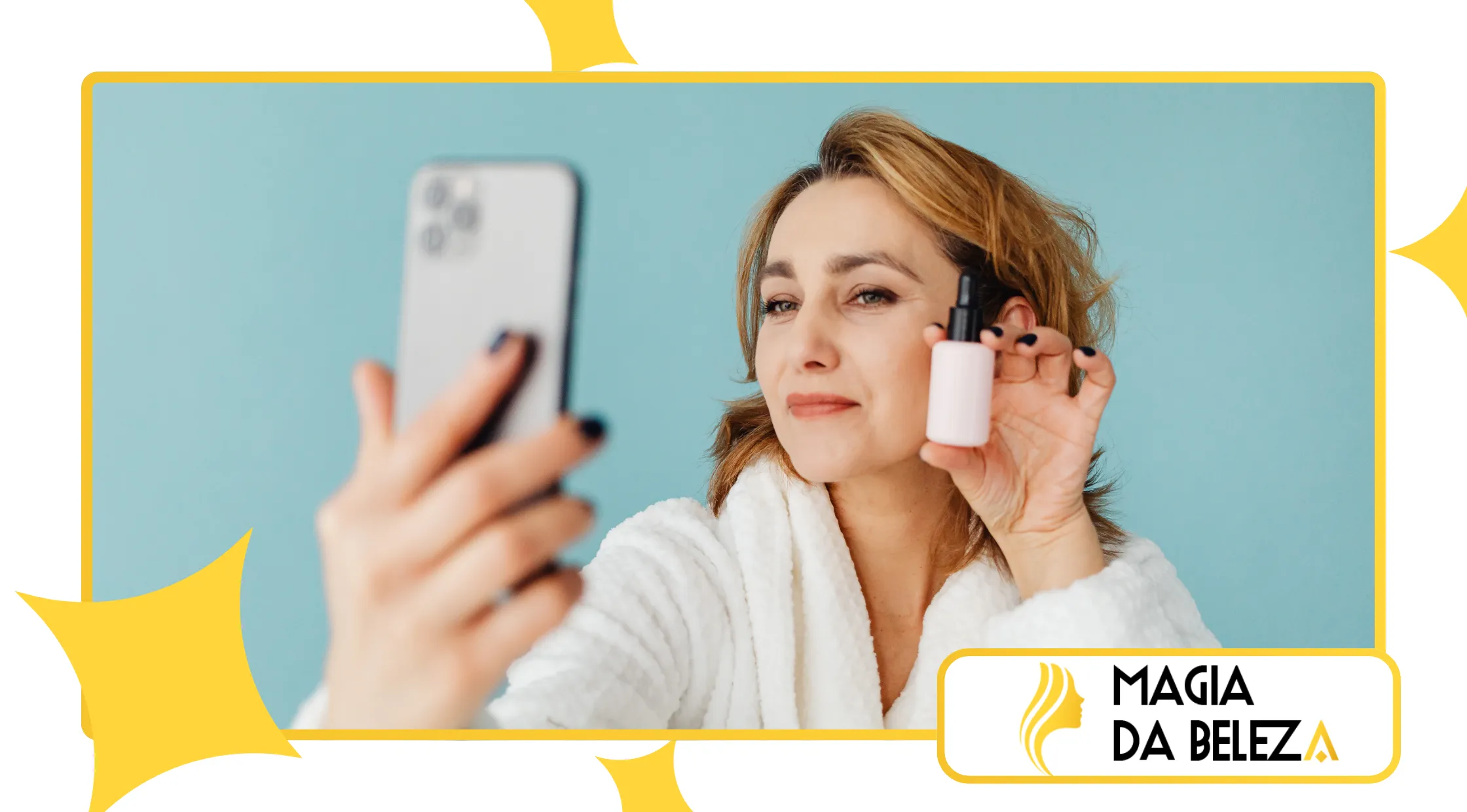
This Makeup guide with blur effect It opens the doors to an aesthetic that, in 2026, finally stopped trying to hide who we are.
Advertisements
Translucent skin is not about unattainable perfection, but about the intelligent use of light to enhance the health of the dermis through optical diffraction.
Summary
- The engineering behind the blur
- The end of the era of heavy roofing.
- Curating essential assets
- Technical execution: From skincare to finishing touches
- Table: Optical performance comparison
- FAQ: Frequently Asked Questions
The engineering behind the blur
Forget the idea that makeup is only for covering imperfections. The concept of "blur" operates on a different physical logic: light diffraction.
Instead of an opaque layer of pigment, we use microspheres that scatter light in multiple directions.
It's curious how long it took the industry to understand that an excess of product actually highlights what we're trying to soften.
Advertisements
By using silica polymers, we create a smooth surface that fills in the skin's contours without burying its natural texture.
This guide proposes a pact with the mirror. The visual result is that "out-of-focus" look we love in digital filters, but with the velvety touch and dignity of skin that breathes.
The major technological breakthrough was the replacement of heavy silicones with volatile, botanical alternatives. Today, the blurring effect is almost an extension of your facial care routine, combining visual performance with biological integrity and extreme comfort.
The end of the era of heavy roofing.
There's something liberating about seeing high-coverage foundations lose ground in makeup bags. The translucent trend reflects a profound cultural shift: a desire for authenticity.
We want to look rested, not masked by thick layers of powder and resin.
The glow we're looking for now isn't oiliness, but the radiance of a well-executed skincare routine.
In 2026, makeup took on a secondary role, serving only to polish what the treatment had already begun to build in the dermis.
Often, the need for full coverage is simply a habit inherited from past decades. When you understand how light interacts with the right pigments, you realize that half the product you were using was actually an aesthetic waste.
This Makeup Guide It emerges as a response to this search for sophisticated practicality. It's the kind of beauty that survives a long workday without looking dated, heavy, or overly artificial.
Curating essential assets
Choosing the right product determines whether you'll achieve a blurring effect or just a greasy face. Primers with soft-focus technology are the cornerstone here, acting as an invisible leveler for pores and fine lines.
Serum foundations with encapsulated pigments are the big stars this season. They break upon contact with the skin, releasing color and treatment evenly, without that "plastered" look so common in older formulations.
Finishing powders now contain particles so small they are invisible to the human eye. They retain just the necessary moisture, ensuring the center of the face doesn't shine excessively without stealing the natural luminosity from the cheekbones.
For those who wish to delve deeper into the safety of these new formulas, the Brazilian Society of Dermatology It offers valuable guidance on how these active ingredients interact with different pathologies and types of sensitive or reactive skin.

Technical Execution: From Skincare to Finishing Touches in the Blur Effect Makeup Guide
It all starts with hydration, but not just any hydration. Low molecular weight hyaluronic acid prepares the ground, slightly "plumping" the epidermis so that blurring products don't settle into the natural creases of the face.
The primer should be strategically applied, concentrated only where texture is bothersome, such as the sides of the nose and chin.
Applying with light taps — and never rubbing — ensures that the product actually fills the gaps instead of just sliding on.
When applying foundation, the secret is the buffing motion. Use a soft-bristled brush to "blend" the product against the skin, merging the two layers into one. Less product on the brush means more control.
++ Soft futuristic aesthetics: how translucent makeup became a trend.
To seal the deal on this makeup guide, a setting mist is indispensable. It removes any powdery residue and "melts" the layers, creating that visual unity that defines high-end, translucent skin.
Optical performance comparison
Not every "blurring" asset delivers the same result. Understanding the function of each one helps you assemble an arsenal that makes sense for your climate and lifestyle.
Find out more: Advantages of clarifying shampoo for cleaner hair.
| Component | Mechanism of Action | Expected Visual Impact |
| Porous Silica | Absorption and Diffraction | Mattifying with pore blurring |
| Hyaluronic Acid | Hygroscopic Hydration | Volume and smoothing of fine lines. |
| Niacinamide | Texture Refinement | Brightness and even skin tone |
| Elastomers | Elastic Filling | Velvety touch and extreme smoothness |
| Synthetic Mica | Controlled Reflection | Internal glow without glitter particles. |
The verdict on royal fur
Sophistication in 2026 doesn't lie in excess, but in technical precision. The blur effect proves that we can use science to our advantage to showcase a polished, yet honest, version of our own beauty.
The transition to lighter makeup requires a visual weaning away from full coverage, but the return in self-esteem and skin health is immediate. It's an aesthetic that values time and the individuality of each unique face.
Following this guide is, above all, an exercise in observation. Learning where the light falls allows you to use the minimum amount of product with maximum visual impact and elegance.
If you're looking to understand more about the colors that best complement this translucent look, it's worth exploring seasonal analyses from... Pantone, which dictate the color palettes for the upcoming seasons of global fashion.
FAQ – Frequently Asked Questions
Does the blurring effect accentuate dryness?
On the contrary. If the preparation with moisturizers is done correctly, the blurring agents create a barrier that prevents water loss, keeping the skin looking healthy for much longer.
Can I mix the blur primer into my regular foundation?
Yes, this is an excellent technique for updating old foundations. The blend softens the pigment load and adds light diffraction technology to your favorite coverage, making it more modern.
Will this makeup withstand tropical heat?
Yes, because the layer of product applied is very thin. Unlike heavy foundations that "melt," translucent makeup adheres better to the skin and is less affected by perspiration or excessive moisture.
Is it necessary to use pressed powder on top?
Generally not. Ideally, use only a translucent loose powder on strategic points. Using traditional pressed powder can compromise the transparency and the desired "silky skin" effect.
How long does it take to master the technique?
The learning curve is very fast. The focus is on choosing the right products and using a light touch. With just a few tries, the result becomes extremely natural and professional.
++ Blur effect makeup: how to achieve a diffused and natural look.
++ Hyaluronic acid: what it is, what it's used for, its benefits, and how to use it.
