
We live in an era of hyperconnectivity. Brazilians spend an average of 91 hours a week on the internet, starting at 8:33 a.m. and ending at 10:13 p.m. This intense use of technology can affect our mental health and digital wellbeing.
Advertisements
THE digital detox emerges as an urgent need. Studies show that excessive screen time is linked to high levels of stress and anxiety. Digital detox can improve sleep quality and reduce daily stress.

Setting limits on device usage is essential to maintaining technological balance. To create technology free zones at home and practicing offline activities are effective strategies for regaining control over our time and attention.
Digital detox is not just a trend, but a necessary practice for our mental health. By temporarily disconnecting, we can reconnect with ourselves and the world around us, fostering a digital wellbeing lasting.
Understanding Digital Overload in the Modern World
The digital age has brought an avalanche of information and technologies that have transformed our daily lives. With more than 701,300 adults in the United States using social media, information overload has become an inescapable reality.
THE digital multitasking, once seen as a skill, is now recognized as detrimental. Studies show that switching between digital tasks can reduce productivity by up to 40%. The average person checks their phone 58 times a day, constantly interrupting their focus.
THE technological stress manifests itself in a variety of ways. 60% of people feel inadequate when comparing their lives online. Additionally, excessive use of digital devices can cause physical problems such as neck strain and eye strain.
| Impact of Digital Overload | Consequence |
|---|---|
| Productivity | Reduction of up to 40% |
| Emotional well-being | 60% feel inadequacy |
| Physical health | Muscle tension and visual fatigue |
| Daily habits | 58 cell phone checks on average |
To combat these negative effects, practices such as mindfulness and relaxation exercises can help balance the technological stress. Establishing technology-free areas in your home also promotes healthier social interactions and much-needed moments of disconnection.
The effects of digital devices on our brain
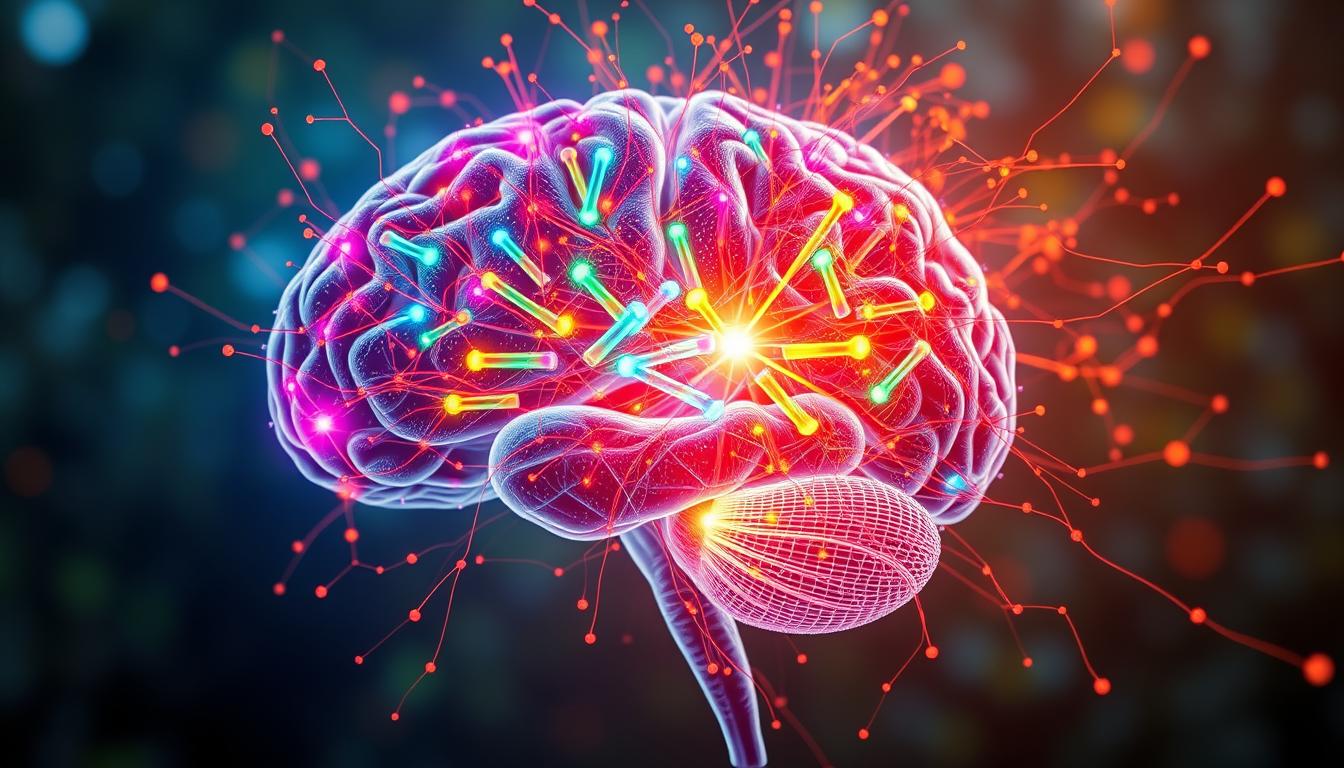
Excessive use of digital devices has significant impacts on our brain. neuroplasticity allows us to adapt to technological demands, but it can also lead to “digital memory,” where we rely more on devices to remember information.
The blue light emitted by screens affects our sleep patterns, disrupting circadian rhythms. This can result in long-term health problems such as insomnia and depression. Studies show that using electronics before bed interferes with deep, restorative sleep.
Internet Addiction Disorder (IAD) is a recognized condition related to excessive use of technology. Health professionals warn that hyperconnectivity can lead to problems such as anxiety and obesity.
“Just one day without being constantly connected can make a difference,” says Frances Booth, an expert in digital detox.
However, conscious use of technology can improve cognitive skills, such as problem-solving. The challenge is to find a healthy balance between the digital world and mental well-being.
Recognizing When Technology Becomes Too Much
In Brazil, the fourth country with the most internet users in the world, signs of technological dependence are increasingly evident. Research shows that two in three parents believe their children use smartphones excessively, while half of couples notice technological abuse in their partners.
THE digital fatigue It manifests itself in a variety of ways. Physical discomfort, such as eye strain and sleep problems, are common. Emotional changes, including anxiety and social isolation, can also occur. Cognitive impacts, such as decreased attention and memory difficulties, are a concern.
THE FOMO (Fear of Missing Out) is another important sign. This fear of missing out leads many to constantly check their devices. Alarming data shows that 80% of those addicted to video games and the Internet exhibit symptoms of depression.
The American Psychiatric Association recognizes technology addiction as a serious problem. Withdrawal symptoms include irritability, sadness, and physical signs. In Brazil, there has been a significant increase in complaints related to excessive use of technology in hospitals and clinics.
Recognizing these signs is the first step in seeking a digital balance healthy. Remember: technology should be a tool, not a prison.
Digital detox: concept and importance
Digital detox is a practice that aims to promote digital balance and the technological well-being. It consists of reducing the time spent in front of screens, allowing the mind to rest and recharge. It is not about giving up technology, but rather seeking a conscious disconnection for a healthier life.
The importance of digital detox is highlighted by worrying statistics. According to data from Statista, 501,300 people in the US spend most of their day in front of screens. This excessive use can lead to physical and mental health problems.
Prolonged exposure to electronic devices can cause vision damage, body aches and sleep disorders. The blue light emitted by screens interferes with circadian rhythms, making it difficult to fall asleep. In addition, constant use of social media can negatively affect self-image and contribute to symptoms of depression.
Carrying out a digital detox brings significant benefits:
- Increased productivity
- Improved emotional well-being
- Improved sleep quality
- Strengthening personal relationships
- Stimulating creativity
To implement an effective digital detox, you can adopt measures such as setting focus modes on your smartphone, controlling notifications and setting time limits for using apps. These practices promote a more balanced relationship with technology, contributing to a more connected and healthy life.
Benefits of a digital detox for mental health
Digital detox brings countless benefits to our mental health. Studies show that 721% of people feel the need to disconnect to improve their psychological well-being. stress reduction is one of the main gains, as 60% of users feel overwhelmed with constant notifications.
THE sleep improvement is another significant benefit. One study found that 70% of people use social media in bed, which can interfere with their rest. After implementing a screen-free bedtime routine, 80% of people reported better sleep quality.
THE mental presence is also favored by digital detox. Staying away from social media can reduce the risk of depression and anxiety. A study by York University in Canada found significant differences in self-esteem and body satisfaction between groups that used and avoided social media.
Furthermore, balance our daily routines Taking time away from screens can have surprising benefits. 90% of people believe that spending time in nature positively impacts their mental well-being, reinforcing the importance of disconnecting periodically.
“Heavy daily technology use has been associated with an increased risk of mental health problems among adolescents.”
Setting healthy boundaries with technology is crucial. 55% of people find it beneficial to take regular technology breaks to rebalance their relationship with digital devices. This practice helps to control the dependency associated with hyperconnectivity, promoting a more balanced and mentally healthy life.
Practical strategies to start your digital detox
Starting a digital detox may seem challenging, but it is possible with simple and effective strategies. Establish technological limits It is essential to restore the balance between the virtual and real worlds. A good practice is to disable app notifications and use social networks only at specific times.
To create technology free zones at home helps reduce excessive device use. For example, avoid using your cell phone during meals or when waking up. Putting your device away during social moments also encourages real and meaningful connections.
To develop healthy habits, consider turning off electronics an hour before bed. This improves the quality of your sleep, since the blue light from devices interferes with melatonin production. Use this time to read a book or meditate.
- Set realistic goals, such as cutting out half an hour of social media usage each day.
- Keep your cell phone away to avoid the temptation to access it unnecessarily.
- Start new activities or resume old hobbies in your free time
Remember that digital detox aims to promote well-being and quality of life. By reducing screen time, you can reduce stress, increase focus and productivity, and have more time for yourself and your relationships.
Creating Healthy Boundaries with Technology
THE conscious use of technology is essential to achieve a digital balance healthy. Setting clear boundaries helps reduce digital dependency and promotes healthy technology habits. Let's explore some practical strategies for creating these boundaries.
Setting specific times for using devices is an effective technique. For example, avoid using your phone during meals or before bed. This can improve the quality of your sleep and strengthen family bonds.
To create technology free zones At home, this is another valuable strategy. Designate areas like the bedroom or dining room as device-free spaces. This encourages face-to-face interaction and reduces constant screen exposure.
The conscious use of apps and social networks is also crucial. Limit notifications to only those that are really important and set a maximum daily time for browsing these platforms.
“Digital balance doesn’t mean abandoning technology, but rather using it intentionally and beneficially.”
Here are some tips for creating healthy boundaries with technology:
- Set a time to turn off your cell phone at night
- Use screen time monitoring apps
- Take regular breaks away from screens
- Find enjoyable activities that don’t involve electronic devices
| Activity | Benefit |
|---|---|
| Cell phone-free meals | Improves family connection |
| Reading before bed | Improves sleep quality |
| Nature walks | Reduces stress and stimulates creativity |
By implementing these strategies, you’ll be well on your way to a healthier digital balance, improving your mental health and overall well-being.
Rediscovering real connections in a virtual world
In the current scenario of digital hyperconnection, it is crucial to rescue the value of face-to-face interactions. Excessive use of social media can negatively affect our productivity and emotional well-being. Prioritizing face-to-face meetings with friends and family is essential to nurturing interpersonal relationships authentic and meaningful.
THE digital detox offers a valuable opportunity to strengthen emotional bonds and promote a authentic communication. By reducing the time we spend on devices, we can improve the quality of our social and professional interactions. Studies show that quality of networking often trumps quantity, and it is more beneficial to cultivate close relationships than to maintain an extensive list of superficial contacts.
To balance the virtual and real worlds, it is important to set time limits on social media use and practice mindful technology. This involves questioning the purpose and value of time spent on devices. By making digital detox a regular self-care practice, we can rediscover the richness of interpersonal relationships and experience a deeper sense of presence and fulfillment in our everyday lives.
FAQ
What is digital detox?
Digital detox is the deliberate reduction of screen time and electronic devices, allowing the mind to rest and recharge. It is a necessary response to the adverse effects of excessive technology use on mental health and well-being.
What are the symptoms of technology overuse?
Some symptoms include physical discomfort (eye strain, sleep disturbances), emotional changes (anxiety, social withdrawal), cognitive impacts (reduced attention, memory problems) and the productivity paradox.
How does technology affect the brain?
Excessive use of digital devices can affect attention, memory formation, and... sleep patternsThe blue light emitted by screens can disrupt circadian rhythms, making it difficult to sleep. neuroplasticity The brain's technology allows for adaptation, but it can also lead to "digital amnesia."
What are the benefits of digital detox?
The benefits include reduced stress and anxiety levels, improved sleep quality, and the promotion of a deeper sense of presence in the moment. interpersonal relationships and a reduced risk of depression.
What are some strategies for starting a digital detox?
Some effective strategies include setting specific times for device use, creating technology-free zones in the home, avoiding electronics before bed, and incorporating offline activities such as reading, exercising, and meditating.
How to create healthy boundaries with technology?
Setting specific times for technology use, implementing device-free zones in the home, and practicing mindful use of apps and social media can help reduce digital dependency and promote a healthier balance between online and offline life.
Why is it important to rediscover real connections?
By reducing the time spent on devices, people can improve the quality of their social interactions, fostering more authentic communication and strengthening emotional bonds. This leads to a deeper sense of presence and satisfaction in personal and professional relationships.