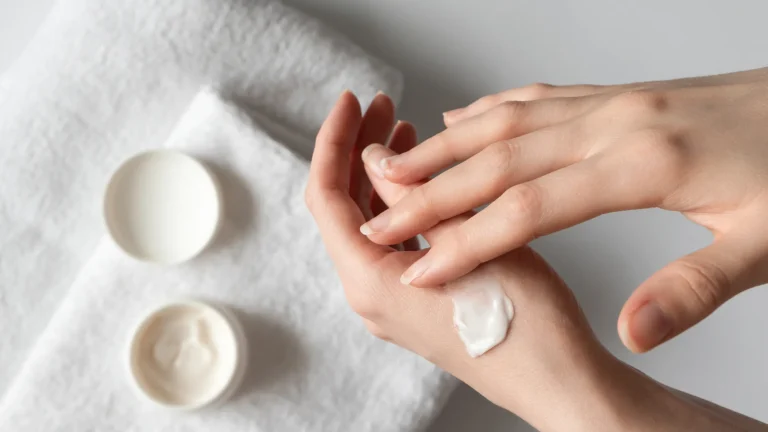


See now in this article what are the main care measures you should take for black skin, with essential tips for healthy skin!
Advertisements
Black skin is beautiful and unique, but it has characteristics that require specific care.
It is naturally rich in melanin, which makes it more protected against sun damage, but also more prone to hyperpigmentation, scarring, and other dermatological challenges.
Therefore, understanding the needs of this skin type is essential to keep it healthy, hydrated and radiant.
We'll explore essential tips, addressing myths and offering practical, safe solutions for optimal care.
++ How to remove makeup correctly? See our tips
1. Hydration: The Foundation of Healthy Skin
Hydration is the starting point for any skincare routine, and for black skin, this step is even more crucial.
Due to the structure of the sebaceous glands, black skin tends to lose water more quickly, becoming dry in certain areas, even though the overall appearance appears oily.
First, choose moisturizers that are formulated with ingredients like hyaluronic acid, glycerin, or urea.
These components help maintain skin moisture and prevent excessive water loss.
But if you prefer a more natural approach, oils like jojoba or shea butter can be effective in sealing in moisture.
But be careful: even when using natural products, it is important to do an allergy test first.
How often you apply moisturizer is equally important.
Ideally, apply twice a day: once in the morning after cleansing and once at night before bed.
This way, you ensure a constant protective barrier.
Additionally, using a humidifier at home can be a great ally, especially in dry climates, helping to keep your skin healthy and soft.
2. Proper Cleaning and Oil Control
Proper cleansing makes all the difference to the health of black skin, as the build-up of oil and dirt can aggravate conditions such as acne and dark spots.
However, the most common mistake is using very aggressive products that end up removing the skin's natural layer of oil.
This triggers more dryness or even a rebound effect of oiliness.
Opt for a gentle, sulfate-free cleanser that removes impurities without compromising the skin barrier.
Cleansers with a balanced pH are preferable, as they respect the acidic nature of the epidermis and prevent irritation.
Avoid washing your face more than twice a day, even if your skin feels oily.
Over-cleansing can cause dehydration and imbalance.
Exfoliation should be done in moderation.
While dark skin can benefit from regular exfoliation, overdoing it can cause micro-injuries and hyperpigmentation.
Use gentle physical exfoliants or opt for chemical exfoliants like salicylic acid, which helps control oiliness and unclog pores without causing trauma.
3. Sun Protection: An Indispensable Ally
One of the most dangerous myths surrounding dark skin is the belief that you don't need sunscreen.
Although melanin offers natural protection against UV rays.
It is not enough to prevent cumulative sun damage, such as premature aging, hyperpigmentation and, in more serious cases, skin cancer.
Choose a sunscreen with an SPF of at least 30, preferably with physical filters like zinc oxide or titanium dioxide.
These ingredients are less likely to cause allergic reactions and do not leave a white residue when formulated correctly.
A valuable tip is to look for products that also contain antioxidants, as they help to neutralize free radicals generated by sun exposure.
Reapplying sunscreen every two hours is essential, especially if you are exposed to the sun for long periods of time.
If you wear makeup, opt for powder sunscreens for reapplication throughout the day.
And remember: sun exposure doesn't just occur on beaches or in swimming pools, but also in everyday life, while walking to work or while driving.
4. Black Skin Care: Beware of Hyperpigmentation
Hyperpigmentation is one of the biggest concerns for people with dark skin.
Thus, dark spots can easily appear due to excessive melanin production, whether as a result of acne scars, injuries or sun exposure.
Preventing and treating these stains requires meticulous treatment and patience.
The first step is to protect your skin from the sun, as already discussed.
Without sun protection, any lightening treatment may be useless or, worse, may make the spots worse.
Additionally, including ingredients like vitamin C, kojic acid, or niacinamide in your routine can help even out your skin tone.
These active ingredients work to inhibit melanin production and promote cell renewal.
When spots are persistent, a consultation with a dermatologist is crucial.
Procedures such as chemical peels, microneedling or laser may be indicated.
However, they must be performed by professionals experienced in black skin to avoid complications, such as the risk of paradoxical hyperpigmentation.
++ How to Boost Your Energy Naturally: Wellness Tips for a Healthier Life
5. Acne Control and Scar Prevention
Acne is another common issue for people with dark skin, and scars can be more visible and long-lasting.
In this sense, treating acne effectively requires an approach that minimizes inflammation while preventing dark spots.
First, avoid squeezing or picking at pimples.
Excessive manipulation of the skin only makes the condition worse and can leave permanent marks.
Products containing benzoyl peroxide or salicylic acid are effective in controlling acne, but use sparingly to avoid irritating the skin.
Soothing ingredients such as aloe vera and chamomile extract can be incorporated to reduce inflammation.
If acne is persistent, using topical retinoids under medical supervision can be an excellent solution.
In addition to helping control acne, they stimulate cell renewal and reduce the risk of post-inflammatory hyperpigmentation.
Again, it is important to have dermatological monitoring to avoid side effects and optimize results.
Black Skin Care: Table of Beneficial Ingredients and Their Functions
| Ingredient | Function | Indication for Black Skin |
|---|---|---|
| Hyaluronic Acid | Intense hydration | Ideal for maintaining moisture without oiliness |
| Vitamin C | Whitening and antioxidant protection | Helps to even out skin tone |
| Salicylic Acid | Oil control and acne treatment | Penetrates pores without causing irritation |
| Jojoba Oil | Hydration and balance of oil production | Excellent for sealing in hydration |
| Niacinamide | Reduction of blemishes and sebum control | Smoothes texture and evens out tone |
| Shea Butter | Deep hydration and protection | Rich in vitamins, keeps skin soft |
++ Holistic Beauty: The Connection Between Mental Health and Glowing Skin
6. Black Skin Care: Common Myths and Reality
Black skin is often the target of misinformation, and demystifying some of these concepts is essential.
One example is the idea that black skin does not age.
While it is true that the presence of melanin offers some protection against wrinkles.
The skin is still subject to aging caused by external factors such as pollution and ultraviolet radiation.
Another common myth is that dark spot lightening products are harmful.
The danger lies in choosing products that are not scientifically supported or that contain harmful ingredients, such as over-the-counter hydroquinone.
Safe and effective alternatives exist and should be used in moderation and with guidance.
Finally, there is the belief that using natural oils solves all problems.
Although they are beneficial, they are not a substitute for a complete and balanced care routine.
Personalizing your skincare routine and knowing what works for your skin is key to achieving healthy skin.
Maintaining healthy and beautiful black skin requires attention and a specific routine.
With the right tips and the right products, you can enhance your natural beauty while preventing dermatological problems.
Invest in knowledge and don't hesitate to consult experts to ensure that your skin is always radiant.