
In this article, you will discover how to treat dandruff at home, using affordable products that are gentle on your scalp. Check it out!
Advertisements
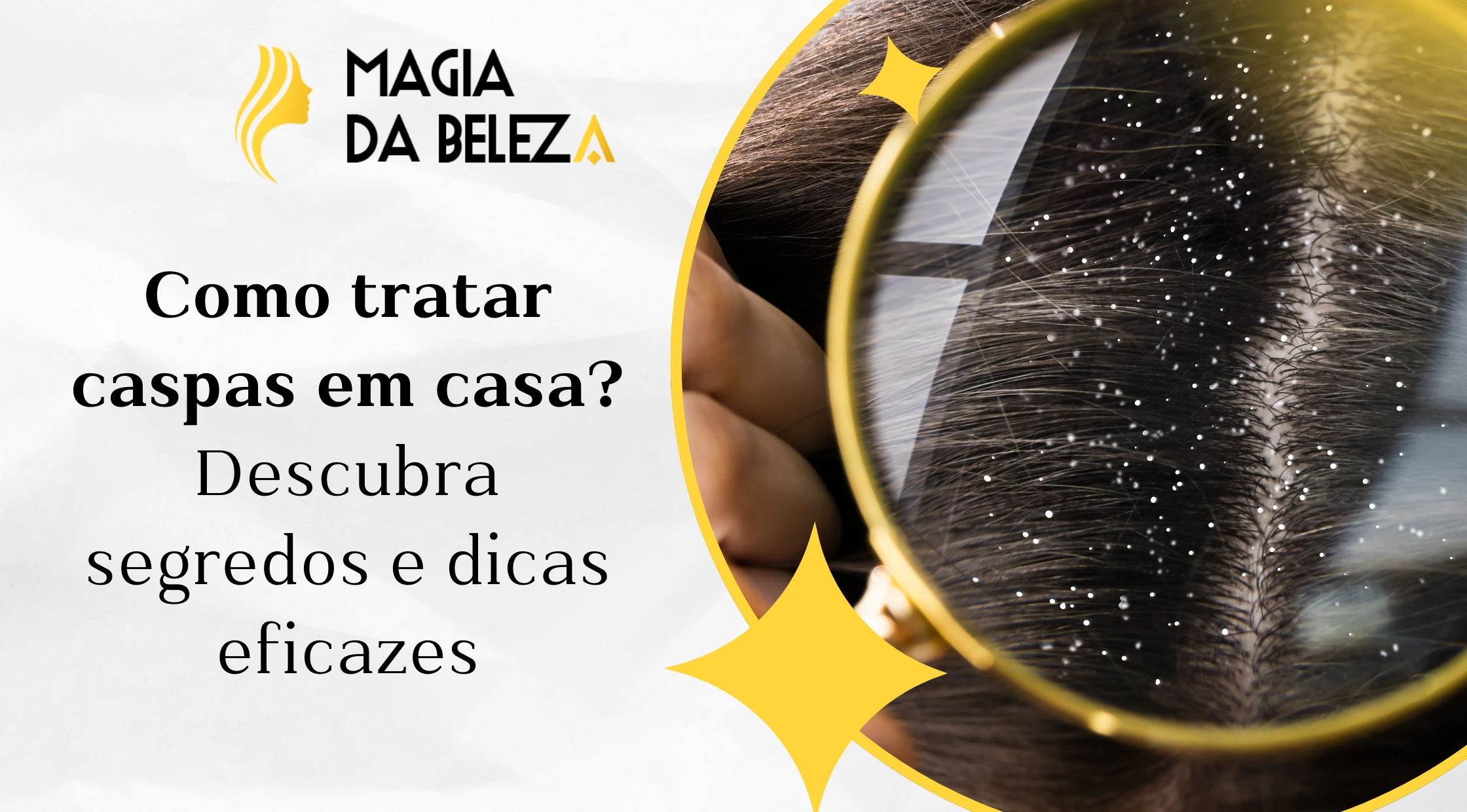
Dandruff is one of the most common scalp conditions, affecting up to 501,000 people worldwide, according to the American Academy of Dermatology.
Although not a serious condition, dandruff can cause discomfort, itching, and embarrassment.
Characterized by visible white flakes on hair and clothing, this excessive flaking of the scalp can affect the self-esteem of those who suffer from it.
Many people face dandruff throughout their lives, and knowing how to treat dandruff at home can be a practical, economical and effective solution.
In addition to specific products found in pharmacies, it is possible to control dandruff with home remedies and adjustments to your hair care routine.
Read the text and discover some options!
What is dandruff and its main causes?
Dandruff, known clinically as mild seborrheic dermatitis, is a condition characterized by flaking of the scalp, resulting in the formation of white flakes that can vary in intensity.
These scales are caused by accelerated cell renewal on the scalp, which can be triggered by several factors.
The main causes of dandruff include:
- Excessive oiliness: When the sebaceous glands produce more oil than necessary, this creates an environment conducive to the proliferation of fungi that cause flaking.
- Fungus on the scalp: The Malassezia It is a common fungus that lives on everyone's scalp, but in some people it grows excessively, causing dandruff.
- Hormonal changes: Hormonal imbalance, especially in teenagers, pregnant women and women going through menopause, can increase the oiliness of the scalp, favoring the appearance of dandruff.
- External factors: Climate changes, excessive use of hats or caps, stress and an inadequate diet are also factors that can trigger or aggravate dandruff.
Dandruff can be classified into two main types:
- Dry dandruff: It appears in the form of small, loose white particles on the scalp, generally associated with dryness.
- Oily dandruff: It has thicker, yellowish flakes, often associated with seborrheic dermatitis, and can leave the scalp feeling oily.
+ How to set up a nail salon from scratch: important steps
What are the consequences of not treating dandruff?
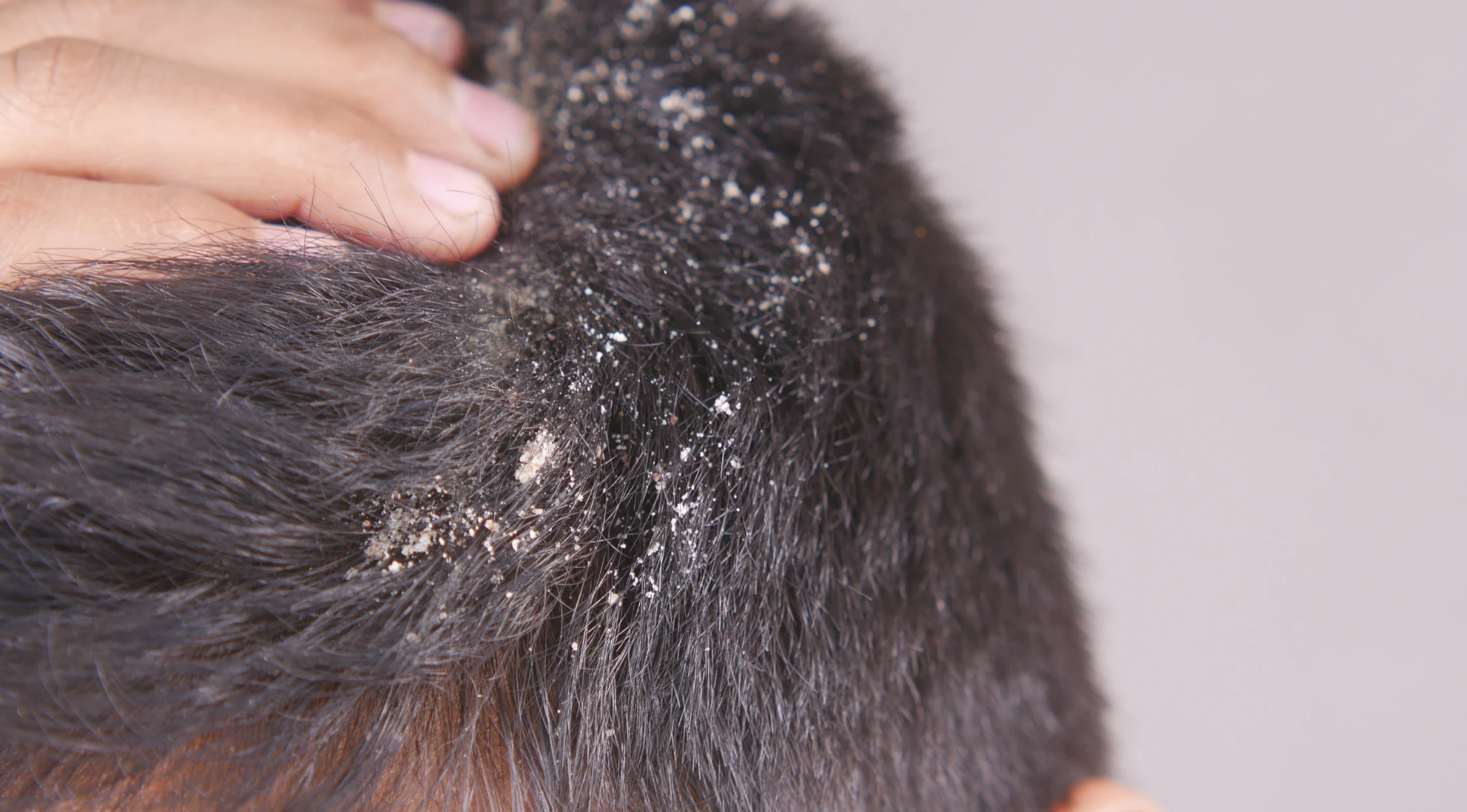
Leaving dandruff untreated can result in major complications.
Although dandruff itself does not cause serious harm to health, it can lead to constant discomfort, inflammation of the scalp and, in extreme cases, hair loss.
Additionally, intense itching can cause scalp lesions, increasing the risk of secondary infections.
Studies also show that dandruff can impact people's quality of life, causing anxiety and even social isolation in more severe cases.
Therefore, it is essential to look for ways to treat dandruff at home to minimize these effects.
Effective Home Treatments for Dandruff
Now that we have a better understanding of what causes dandruff, let's explore practical, proven methods to treat dandruff at home.
Many of these treatments involve natural, readily available ingredients and offer effective solutions to reduce flaking and itching.
1. Coconut oil: natural moisturizer and antifungal
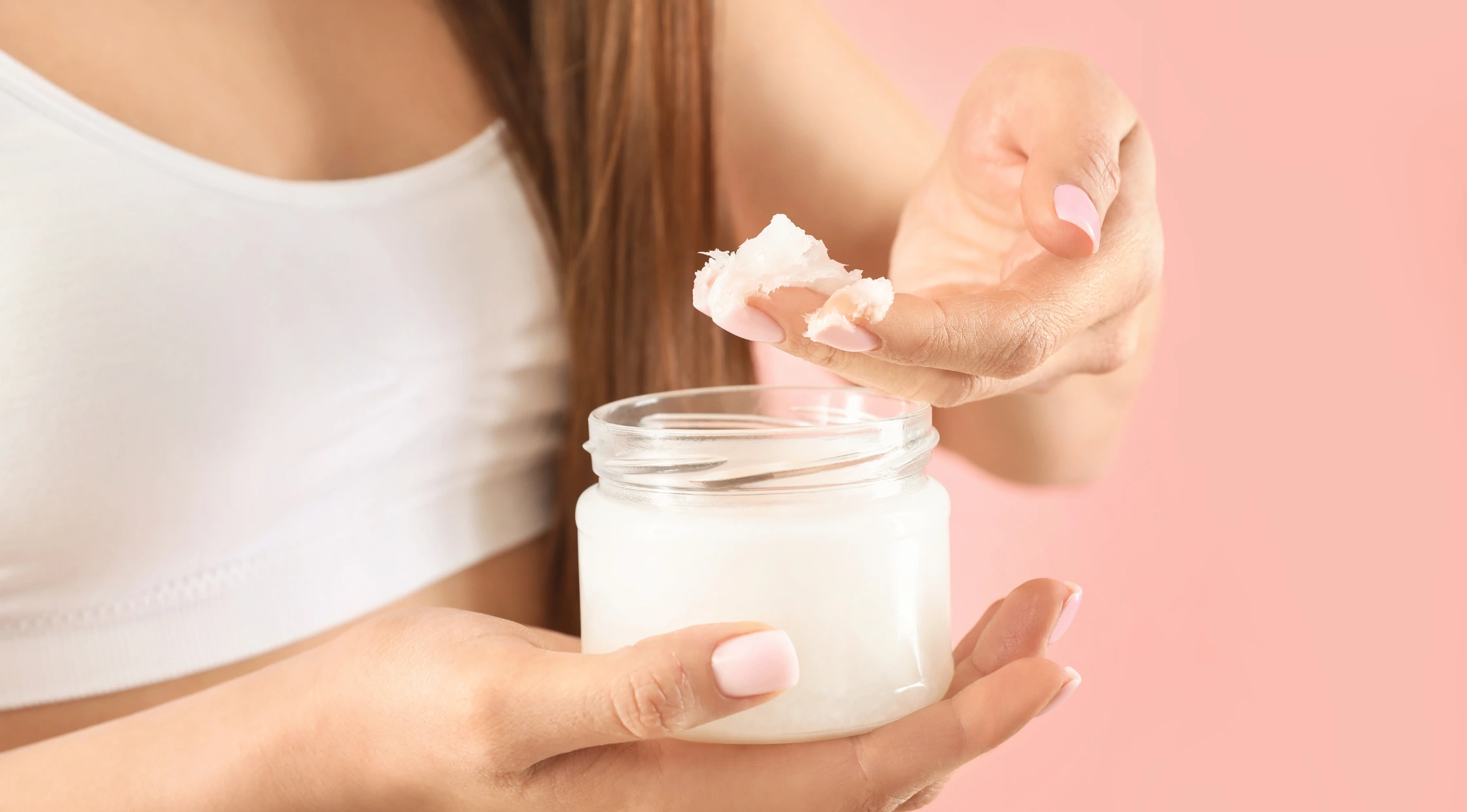
Coconut oil is widely used in home treatments for various skin and hair conditions.
Its antifungal properties are effective in controlling the proliferation of the fungus. Malassezia, helping to reduce dandruff.
Additionally, coconut oil deeply moisturizes the scalp, preventing dryness that can aggravate flaking.
How to apply:
- Heat the coconut oil so that it is lukewarm (not too hot).
- Massage the oil into your scalp for 5 to 10 minutes.
- Leave it on for about 30 minutes and wash it off with a mild shampoo.
Repeat the process twice a week for best results. This method helps balance moisture levels and keep your scalp fungus-free.
2. How to Treat Dandruff with Apple Cider Vinegar: Restoring pH Balance
THE apple cider vinegar has a long tradition in hair treatment. Its acidic pH helps restore the scalp's natural balance, creating a less favorable environment for fungal growth.
It also acts as a cleansing agent, removing excess oil and hair product residue.
How to use:
- Dilute apple cider vinegar in water (in a 1:1 ratio).
- After shampooing, apply the mixture to your scalp and massage gently.
- Leave on for 5 minutes before rinsing thoroughly.
This practice can be done once a week. In addition to fighting dandruff, apple cider vinegar also adds shine to your hair.
3. Baking soda: gentle exfoliation for the scalp
Baking soda is a natural exfoliant, effective in removing dead cells that form dandruff.
It also has mild antifungal properties, which help control the growth of Malassezia.
How to apply:
- Mix a tablespoon of baking soda with enough water to form a paste.
- Massage the paste gently into your scalp for 2 to 3 minutes.
- Rinse well with warm water, without using shampoo.
Use this treatment only once a week, as overuse can dry out your scalp.
4. How to treat dandruff with Aloe vera: soothing and anti-inflammatory
Aloe vera is widely known for its soothing and anti-inflammatory properties.
In the case of dandruff, the gel aloe vera can relieve itching and reduce inflammation, providing immediate relief for those suffering from the condition.
How to use:
- Extract the gel from an aloe vera leaf.
- Apply directly to the scalp and massage.
- Leave it on for 20 to 30 minutes and wash your hair with a mild shampoo.
Aloe vera also helps moisturize the scalp, preventing dryness and irritation.
Daily habits to prevent dandruff
In addition to home treatments, some changes in your hair care routine can help effectively control and prevent dandruff.
So, following these practices daily can significantly reduce the recurrence of dandruff.
1. Wash your hair regularly
Keeping your scalp clean is essential to controlling oiliness and preventing the build-up of hair product residue.
Use a shampoo specifically designed for dandruff or a mild shampoo that won't irritate your scalp.
Avoid washing your hair every day as this can strip away natural oils and cause rebound, increasing oil production.
2. Maintain a balanced diet
Diet plays a crucial role in scalp health. Foods rich in B vitamins, zinc, and omega-3 fatty acids help maintain a healthy scalp.
Processed foods, rich in sugars and saturated fats, should be avoided, as they can increase inflammation and worsen dandruff.
3. Reduce stress
Stress is one of the main factors that aggravate dandruff. Relaxation practices, such as meditation, yoga and physical exercise, can help reduce stress and, consequently, control dandruff.
Studies indicate that high levels of stress increase sebum production and trigger dandruff outbreaks.
+ How to Use Yoga and Mindfulness to Reduce Stress
Medical treatment: when to see a dermatologist?
Although many cases of dandruff can be treated at home, in some cases it is necessary to seek medical advice.
If dandruff persists even after using home treatments or specific shampoos, or if it is accompanied by symptoms such as intense redness, pain or sores on the scalp, it is advisable to consult a dermatologist.
In some cases, dandruff can be associated with more serious conditions, such as psoriasis or seborrheic dermatitis.
In these cases, the doctor may prescribe more intensive treatments, such as corticosteroid creams or antifungal medications.
Comparison of home treatments for dandruff
| Ingredient | Properties | How to use | Frequency |
|---|---|---|---|
| Coconut oil | Moisturizing, antifungal | Apply and leave to act for 30 minutes | 2 times a week |
| Apple cider vinegar | Balances pH, antifungal | Dilute in water, apply and rinse after shampooing. | Once a week |
| Baking soda | Exfoliating, antifungal | Massage the scalp with a paste | Once a week |
| Aloe vera | Calming, anti-inflammatory | Apply the gel to the scalp and leave it to act. | 1 to 2 times a week |
Conclusion: Taking care of your scalp health at home
Dandruff can be annoying, but with proper care and home treatments effective, it is possible to control and even prevent the condition.
Using natural ingredients like coconut oil, apple cider vinegar, and aloe vera, combined with healthy habits, can provide significant relief from dandruff symptoms.
However, it is important to pay attention to the condition of your scalp and, if necessary, seek help from a specialist.
With the right routine and proper care, you can keep your scalp healthy and dandruff-free, improving not only your appearance but also your quality of life.