
Keeping your immune system strong is essential for disease prevention and the promotion of health in general.
Advertisements
THE nutrition for immunity stands out as one of the central pillars in this mission. Several studies indicate that the appropriate choice of foods can significantly influence our ability to fight infections and diseases.

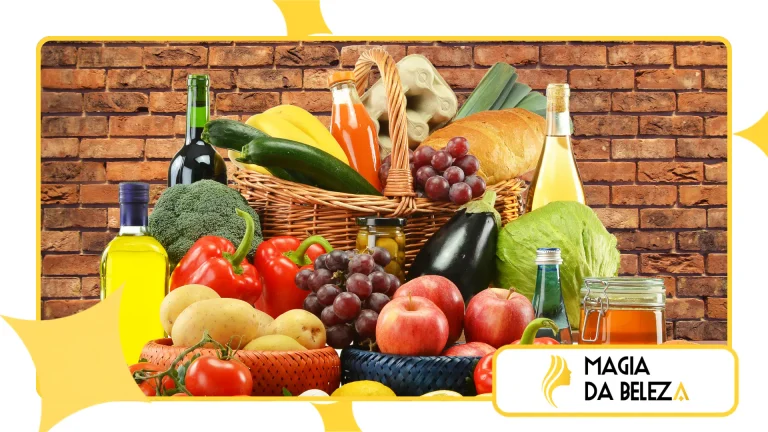
Incorporate foods rich in vitamins and minerals into a immune diet is an effective strategy to strengthen the body. For example, citrus fruits, recognized for their high content of vitamin C, help in the production of white blood cells, which are essential in the body's defense. In addition, dark green vegetables such as spinach and kale are excellent sources of antioxidants and vitamin E.
The Food Guide for the Brazilian Population, from the Ministry of Health, is an excellent reference for those seeking balanced and quality nutrition. This guide emphasizes the importance of consuming natural and minimally processed foods and adopting healthy habits, such as ensuring a good night's sleep and exercising regularly. By following these guidelines, you can create a immune diet robust and effective.
Importance of a healthy diet for the immune system
One healthy eating is crucial for the the body's natural defense. The Brazilian Nutrition Association (ASBRAN) recommends the consumption of natural and minimally processed foods to strengthen the immune system. Factors such as aging, exposure to environmental toxins, excess weight, poor diet, chronic diseases, chronic stress and lack of sleep can negatively impact the immune system.
Nutrients such as vitamin C, vitamin D, zinc and proteins are essential for strengthening the immune system. Studies show that mineral and vitamin deficiencies can negatively impact immune responses. About a third of older adults in developed countries suffer from nutritional deficiencies, highlighting the importance of a balanced diet for everyone.
A balanced diet not only strengthens our body, but also contributes to a healthy lifestyle and a better one quality of life. Foods such as broccoli, spinach, fish rich in omega 3 and avocado are great examples of foods that should be part of our daily diet. Whole grains such as rice, oats and wheat are also rich in vitamins and minerals essential for cellular function.
Tips for maintaining a healthy immune system include eating a balanced diet, exercising, getting enough sleep, and managing stress. Vitamin supplementation may be necessary in specific cases, such as in high-risk groups or the elderly. Therefore, adopting a healthy eating and balanced is essential to reinforce the the body's natural defense and promote a healthy lifestyle.
Sources of vitamin C
THE vitamin C It is essential for strengthening the immune system and fighting free radicals. Acerola is one of the greatest natural sources of vitamin C, containing up to 100 times more of this vitamin than oranges. This fruit plays a fundamental role in the production of white blood cells, which are responsible for fighting infections.

Among the citrus fruits, orange, lemon and tangerine stand out for their high vitamin C content. Consuming these fruits daily helps maintain good levels of this nutrient in the body. Vitamin C, present in citrus fruits, helps not only with immunity, but also with skin health and in tissue regeneration.
It is recommended to consume fruits in their natural state instead of juices to make the most of their nutrients. For example, oranges and lemons are rich not only in vitamin C, but also in potassium, magnesium and phosphorus, all of which are important. antioxidants that benefit health in many ways.
Other fruits that are excellent sources of vitamin C include pineapple, which is also rich in digestive enzymes, and kiwi, which in addition to having a high amount of vitamin C, is rich in fiber, helping with digestion and strengthening the immune system.
Include a variety of citrus fruits and foods rich in antioxidants in the daily diet is an effective strategy to improve health and strengthen the immune system. In addition to those already mentioned, fruits such as papaya and mango are also good options, as they are rich in vitamin C and antioxidants, promoting a better immune response and protection against diseases.
Dark green vegetables
Dark green vegetables, such as broccoli, kale, arugula, spinach and watercress, are essential for a healthy diet. healthy eating and balanced. These leafy vegetables are rich in iron and folic acid, nutrients that play fundamental roles in the formation of white blood cells, cells that are crucial for the body's defense against infections. In addition, by consuming dark green vegetables, such as kale and spinach, combined with a source of vitamin C, such as acerola or orange, the absorption of iron, further strengthening the immune system.
It is worth noting that in the Amapá region, the emphasis on healthy eating includes these vegetables rich in nutrients essential for children's growth and organ maintenance. Local health authorities have highlighted the importance of staying hydrated for efficient nutrient absorption. Given the increase in cases of severe respiratory syndromes in children under 6 years of age, the regular inclusion of leafy vegetables in the diet can be a preventive measure.
- Broccoli
- Cabbage
- Spinach
- Arugula
- Cress
Other food options that are also beneficial include ginger, rich in vitamins B and C, which has an anti-inflammatory effect and speeds up metabolism, and shitake, which contains folic acid and beta-glucan fibers, stimulating the production of white blood cells. For a more complete list of foods that strengthen the immune system, see this detailed article.
| Vegetable | Main Nutrient | Benefit |
|---|---|---|
| Broccoli | Folic Acid | White Blood Cell Formation |
| Cabbage | Iron | Healthy Digestion |
| Spinach | Folic Acid | Strengthened Immunity |
| Arugula | Iron | Organ Maintenance |
| Cress | Folic Acid | Child Growth |
Sources of vitamin A
THE vitamin A plays a vital role in skin health, immunity, vision and even bone development. We can find this vitamin in various antioxidant foods, such as vegetable oils, fish, whole milk and orange-colored foods, such as papaya, mango, carrot and pumpkin.
The recommended daily intake is 900 micrograms (3,000 IU) for men and 700 mcg (2,300 IU) for women, not exceeding the maximum limit of 3,000 mcg (10,000 IU). It is essential to consume these foods regularly, at least three times a week, to ensure adequate intake of vitamin A.
However, many people suffer from a deficiency in this vitamin, especially in certain regions of Brazil. According to the 2006 National Demographic and Health Survey (PNDS), 17.4% of children under five years of age and 12.4% of women of reproductive age had a deficiency in vitamin A. Children from the Northeast (19.0%) and Southeast (21.6%) of the country are the most affected.
For vegetarians who do not consume eggs and dairy products, getting carotenoids from fruits and vegetables, especially orange and dark green ones, is essential. This approach helps meet the daily requirement of vitamin A, crucial for maintaining good vision, healthy teeth and strong hair.
It is worth remembering that the skin health also benefits from these natural sources of vitamin A, which help protect against premature aging. The incorporation of antioxidant foods in your daily diet is therefore one of the best ways to strengthen your immune system and improve your skin health.
Foods rich in Zinc
THE zinc is an essential mineral for immune health, influencing the production of defense cells and the regulation of the immune response through interleukin-2. Significant defects in the innate and adaptive immune responses can occur with deficiency of zinc, even at low levels. The recommended daily intake of zinc is 8 mg for women and 11 mg for men. Below, we highlight some foods rich in this important nutrient.
- Oysters: An 85g serving provides 74mg of zinc, representing 673% of the daily requirement.
- Lean beef: 85g contains 7.0mg of zinc, covering 64% of the daily requirement.
- Lentil: One cup provides 2.5mg of zinc (17% of the daily requirement).
- Enriched cereals: One serving provides 2.9mg of zinc (25% of the daily requirement).
- Cashew nut: 28g provides 1.6mg of zinc (15% of the daily requirement).
- Pumpkin seed: 28g provides 2.2mg of zinc (20% of the daily requirement).
- Wheat germ: 100g contains 12.2mg of zinc (82% of the daily requirement).
- Hemp seeds: 100g contains 9.9mg of zinc (70% of the daily requirement).
To optimize the functioning of the immune system, it is essential to include foods such as lean meats, cereals and legumes such as beans, lentils and peas in the daily diet. The older population, who are more prone to infections due to the decline in immune function with advancing age, can benefit significantly from maintaining a diet rich in zinc.
Foods rich in vitamin E

THE vitamin E is essential for our body, being known for its anti-inflammatory action and for contributing to the strengthening of the immune system. Found in various foods, vitamin E helps fight inflammation and protect cells from free radical damage.
See below the list of the main foods rich in vitamin E and their additional nutrients:
| Food | Vitamin E (mg/100g) | Additional Nutrients |
|---|---|---|
| Corn oil | 83,2 | Healthy fats |
| Sunflower Oil | 63,6 | 86% unsaturated fats |
| Sunflower seed | 26,1 | Folic acid, potassium, phosphorus |
| Almonds | 24,5 | Fiber, protein, unsaturated fat |
| Dried Tomato | 15,6 | Monounsaturated fats, vitamins A and C |
| Olive oil | 12,6 | 73% of monounsaturated fats |
| Cashew Nut | 11,0 | Monounsaturated fat, folate, phosphorus |
| Wheat Bran | 9,12 | Fiber, potassium, calcium |
| Peanut | 8,36 | Folate, vitamin B2, potassium |
| Raw Cabbage | 8,0 | Vitamins A and C, potassium |
Foods like egg yolk, avocado and pecan nuts are also important sources of vitamin E and healthy fats, essential for a balanced diet. In addition, the consumption of these foods contributes significantly to increasing immunity and maintaining overall health.
Probiotic foods for gut health
You probiotics are essential for the gut health and, consequently, to strengthen the immune system. gut health depends on the intake of foods rich in probiotics, as yogurt, kefir, miso and kombucha, which promote a balanced intestine.
The intestinal microbiota is made up of 100 billion bacteria, mainly Lactobacillus and Bifidobacterium. Various strains of these bacteria perform specific functions: Lactobacillus acidophilus and Lactobacillus plantarum help in digestion and control of pathogens, while the Lactobacillus rhamnosus strengthens the immune system.
Studies show that there are approximately 10 billion bacteria in the intestine, weighing up to 2 kg. The intake of prebiotics and probiotics is crucial to maintain the body's natural barriers, since modern diets have little of these substances. Therefore, incorporating yogurts and other fermented foods in the diet can prevent digestive disorders.
Probiotics such as those from Nutergia, composed of 32 billion bacteria per 4 daily capsules, are excellent for those who need specific supplementation. These products contain revitalizable strains that resist gastric acidity, ensuring benefits such as attaching dietary fiber and probiotics to the daily regimen to promote gut health.
| Food | Amount of Probiotics | Benefits |
|---|---|---|
| Yogurt | millions UFC | Strengthens the gut health and immunity |
| Kefir | UFC billions | Improves digestion and pathogen control |
| Miso | millions UFC | Benefits nutrient absorption |
| Kombucha | UFC billions | Improves the balance of the intestinal microbiota |
Garlic: a super food
THE garlic is widely recognized for its potent health properties, especially for containing allicin, a compound that acts as a natural bactericide. This superfood has several benefits ranging from antioxidant properties to the ability to lower blood pressure.

In addition to strengthening the immune system, garlic has effective anti-inflammatory actions that help in the recovery from flu and colds. Its properties antimicrobial, antiviral and antifungal make it an essential ally against a wide range of microbes, fungi and viruses.
Studies show that the garlic It also has decongestant and expectorant action, contributing to the health of the airways. Those who fight hypertension find in garlic an additional benefit, as it can help reduce blood pressure. It is recommended to consume raw garlic, particularly on an empty stomach, to ensure that its properties are fully utilized. A simple tip is to crush a clove of garlic and mix it with water and spices such as cloves and cinnamon.
| Properties | Benefits |
|---|---|
| Antioxidant | Protects cells from damage |
| Anti-inflammatory | Helps improve flu and colds |
| Natural bactericide | Inhibits the growth of bacteria |
| Antimicrobial | Fights microbes and fungi |
| Antihypertensive | Reduces blood pressure |
Vitamin D and the immune system
THE vitamin D plays a crucial role in regulating the immune system, promoting immune modulation effective and protecting against various diseases. To ensure adequate levels of this vitamin, it is essential to consider both dietary sources and sun exposure.
Main food sources of vitamin D include fatty fish such as salmon and tuna, as well as eggs, especially the yolk. In addition, sun exposure is essential, as it allows the body to synthesize vitamin D naturally. It is recommended to sun exposure 10 to 30 minutes daily, depending on skin type and sunlight intensity.
This combination of proper nutrition and sun exposure not only supports the immune system, but also contributes to bone health and disease prevention chronic. For those with limited access to sunlight, supplements vitamin D can be considered, always under medical supervision.
| Source of Vitamin D | Main Benefit |
|---|---|
| Salmon | Rich in omega-3 fatty acids and vitamin D |
| Tuna | Source of proteins and vitamin D |
| Eggs | Versatile and nutritious, especially the yolk |
| Sun | Improves the natural synthesis of vitamin D |
In summary, the integration of food sources of vitamin D as part of a balanced diet, along with regular sun exposure, is recommended for robust and optimally modulated immunity. This approach ensures the maintenance of adequate immune functions, essential for general well-being.
Maintaining healthy habits
To ensure a quality of life high and the disease prevention, it is essential to adopt and maintain a set of healthy habits daily. Check out some essential practices:
- Balanced Diet: Eat citrus fruits like oranges, lemons, and grapefruits, which are rich in vitamin C, and dark green vegetables like spinach and kale, which contain vitamin C and beta-carotene. Also add garlic and ginger to your diet.
- Regular Practice of Physical Exercise: Daily physical activity is crucial to improve blood circulation and increase antibody production, strengthening the immune system.
- Stress Management: Relaxation techniques such as meditation, yoga, and breathing techniques can reduce chronic stress, which can suppress immune function.
- Sleep Quality: Sleeping 8 to 10 hours a night is essential for a healthy immune system. Controlling emotions and avoiding insomnia are essential.
- Proper Hydration: Drink at least two liters of mineral or filtered water daily to eliminate toxins and transport nutrients to your cells.
- Sun Exposure: Daily exposure to the sun, preferably before 10 am or after 4 pm, is important for the production of vitamin D.
“Staying hydrated helps the body eliminate toxins and transport nutrients to cells, improving immune function.”
Additionally, regular consultations with nutritionists and other health professionals can help create personalized eating plans, ensuring a balanced diet that enhances disease prevention and improves the quality of life.
| Recommendations | Benefits |
|---|---|
| Balanced Diet | Strengthens immunity, fights infections |
| Exercise Practice | Improves circulation, increases antibodies |
| Stress Reduction | Strengthens the immune system |
| Sleep Quality | Strengthens immunity |
| Hydration | Eliminates toxins, improves immune function |
| Sun Exposure | Production of vitamin D |
Conclusion
Adopt a immune diet is a crucial measure to ensure the comprehensive health and the disease prevention. Studies show that a diet rich in essential nutrients can positively transform health, promoting a stronger and more resilient immune system. For example, it is notable that consuming 6-8 servings of fruits and vegetables daily significantly improves immune response, compared to just 2-3 servings daily.
In addition, adequate intake of specific nutrients is essential. Vitamin C, found in citrus fruits such as oranges and kiwis, is essential; the same applies to zinc, deficiencies of which are common among the elderly, especially exemplified by the fact that 30% of elderly people in nursing homes have adequate levels. Supplementing with vitamin E in optimal doses, such as 200 IU daily, can significantly reduce the incidence of respiratory infections.
The adoption of healthy habits should go beyond diet. Staying active, getting adequate sleep, and avoiding harmful behaviors like smoking are essential components of a holistic approach to prevention through nutrition and lifestyle. With a combination of a balanced diet, regular exercise and risk factor control, maintaining health and protecting against disease becomes more accessible and effective.
Therefore, the integration of a diverse and nutrient-rich diet, preventive care and the adoption of a healthy lifestyle are the key to a robust immune system and a longer, healthier life.
FAQ
What foods help strengthen the immune system?
Foods such as citrus fruits (oranges, lemons, acerola cherries), dark green vegetables (broccoli, kale), and fish rich in omega-3s and legumes They are excellent for strengthening the immune system.
How important is a healthy diet for the immune system?
A healthy diet rich in nutrients is essential for strengthening the body's defense mechanisms and preventing disease. It complements other healthy habits, such as adequate sleep and physical exercise.
What are the main sources of vitamin C?
The main sources of vitamin C are citrus fruits such as oranges, lemons, tangerines, pineapples and acerola cherries. Eating these fruits in their natural state is recommended to make the most of their nutrients.
What are the benefits of dark green vegetables for immunity?
Dark green vegetables such as broccoli, kale, and spinach are rich in iron and folic acid, nutrients that help in the formation of leukocytes, essential for the body's defense against infections.
How does vitamin A contribute to immunity?
Vitamin A, found in foods such as papaya, mango, carrots, and pumpkin, has antioxidant properties that are beneficial for immunity and... skin healthIt is recommended to consume these foods three times a week.
What foods are rich in zinc?
Lean meats, whole grains, nuts and legumes Foods like beans, lentils, and peas are rich in zinc, which is crucial for the formation of immune system cells.
Why is vitamin E important for health?
Vitamin E has anti-inflammatory action It is found in vegetable oils, nuts, almonds, and egg yolks. It helps fight inflammation and supports immune function.
What are probiotics and why are they important for gut health?
Probiotics are beneficial microorganisms that help maintain gut health, which is directly linked to immunity. Foods such as yogurtKefir and kombucha are rich in probiotics.
What are the benefits of garlic for immunity?
Garlic contains allicinwhich has antioxidant and anti-inflammatory properties, helping to strengthen immunity and control blood pressure. It is recommended to let it rest after cutting to enhance its benefits.
How does vitamin D contribute to the immune system?
Vitamin D is essential for modulating the body's defense cells and can be obtained through foods such as salmon and sardines, in addition to... sun exposurewhich is essential for maintaining adequate levels of this vitamin.
What healthy habits are essential for maintaining a strong immune system?
In addition to proper nutrition, it is essential to get quality sleep, practice regular physical activity and manage stress. Consultations with nutritionists can help develop personalized eating plans.