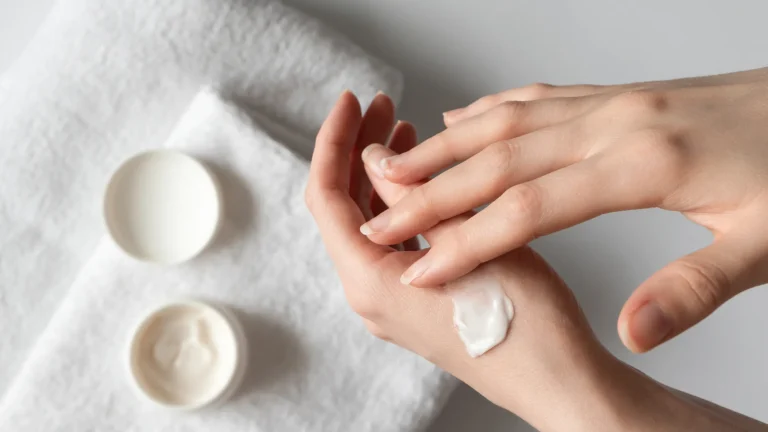

Do you know the combination skin care necessary to maintain healthy and beautiful skin?
Advertisements
Combination skin, often misunderstood, is like a diverse biome, with oily areas coexisting with drier regions on the cheeks and cheekbones.
In this sense, this complexity requires special care to achieve the skin you want.
Therefore, the objective of this article is to help you with valuable tips on this subject, find out more below:
7 Care Tips for Combination Skin
Combination skin has unique characteristics, being oily in some areas, such as the T-zone (forehead, nose and chin), and dry or normal in other parts of the face.
Therefore, this skin type requires specific care to balance these differences.
So, here are 7 essential tips for effectively caring for combination skin.
1. Proper cleaning

Cleaning is the first fundamental step in any routine. combination skin care.
Therefore, use a gentle facial soap, preferably a cleansing gel that is balanced and will not over-dry already dry areas.
Try to avoid products that contain alcohol or strong fragrances, as these can irritate the skin and disrupt oil production.
A good practice is to wash your face twice a day, morning and night, to remove impurities and excess oil without compromising the skin's natural hydration.
However, when choosing a product, look for ingredients like salicylic acid, which helps control oiliness, and aloe vera, which provides hydration without clogging pores.
Also, do not rub your skin hard when washing your face.
Excessive friction can increase oil production in the T-zone and cause irritation in drier areas.
Use gentle, circular movements to ensure effective, gentle cleaning.
2. Combination skin care: balanced toning

Here, toning combination skin may seem challenging, but it is crucial to balancing the different areas of the face.
Therefore, opt for an alcohol-free toner that helps regulate sebum production in the T-zone and, at the same time, moisturizes the driest areas.
In short, ingredients like witch hazel and rose water are excellent choices for this purpose.
Therefore, the toner should be applied with a cotton pad, gently passing it over the face after cleansing.
This step helps close pores and prepare the skin to receive the next products in your skincare routine.
Additionally, a good toner can reduce the appearance of enlarged pores and minimize excess shine in the T-zone.
However, it is worth highlighting that toning is not just a question of controlling oiliness.
But also to balance the skin's pH and remove any makeup or cleansing product residue that may be left behind.
This step is essential to keep your skin healthy and ready for the next steps. combination skin care.
3. Smart hydration
Here, finding the right moisturizer for combination skin can be tricky, but it's essential to maintaining balance.
So, choose a lightweight, oil-free moisturizer that can hydrate dry areas without making your T-zone oily.
Gel or lotion products are generally more suitable than heavy creams.
In short, ingredients like hyaluronic acid and glycerin are great for weightless hydration.
Hyaluronic acid retains moisture in the skin, keeping it hydrated for longer, while glycerin helps attract and retain water.
These components ensure deep hydration without leaving the skin oily.
Additionally, consider using specific moisturizers for different areas of your face if needed.
Finally, a lighter moisturizer for the T-zone and a richer one for the cheeks can be an effective solution.
The key is to observe how your skin reacts and adjust your routine as needed.
4. Care for combination skin: daily sun protection

Protecting your skin from UV rays is crucial for all skin types, and combination skin is no exception.
In this sense, choose a light sunscreen, preferably with a non-comedogenic formula, which does not clog pores and does not contribute to increased oiliness.
Gel or matte textured sunscreens are great options.
Therefore, apply sunscreen every day, even when you are not directly exposed to the sun.
UV radiation can damage the skin even on cloudy days or when we are indoors, near windows.
Thus, sun protection helps prevent premature aging, blemishes and even skin cancer.
Reapplying sunscreen throughout the day is equally important and is an important part of combination skin care.
If you have very oily skin in the T-zone, you can opt for powder formulas that help control shine while protecting your skin.
+ Best rotating brush brands for your everyday life
5. Moderate exfoliation
Exfoliation is an essential step in keeping combination skin healthy, as it helps remove dead skin cells and unclog pores.
However, over-exfoliating can irritate dry areas and stimulate excess oil production in the T-zone.
Therefore, moderation is key, opt for gentle exfoliants, preferably with natural ingredients like walnut shell or fruit enzymes.
These exfoliants are less aggressive and help renew the skin without causing irritation.
Therefore, the ideal frequency of exfoliation for combination skin is once or twice a week.
Also, consider alternating between physical and chemical exfoliants.
Chemical exfoliants, such as those containing glycolic acid or lactic acid, may be more effective at removing dead skin cells and preventing clogged pores without causing physical friction to the skin.
6. Use of face masks
Face masks are an excellent addition to your daily routine. combination skin care, allowing you to address different needs at the same time.
For example, clay masks are great for the T-zone, as they help absorb excess oil and deeply cleanse pores.
In turn, for dry areas, opt for moisturizing masks with ingredients such as hyaluronic acid, shea butter and aloe vera extracts.
In short, these masks help replenish lost moisture and soothe the skin.
Applying a hydrating mask once a week can do wonders for balancing your face's moisture.
Another approach is to multi-masking, which involves using different masks on different parts of the face simultaneously.
This technique allows you to personalize treatment according to the specific needs of each area, providing more effective and targeted care.
7. Care for combination skin: adopt a balanced diet and internal hydration
Finally, skin health does not depend solely on external care.
In this sense, a balanced diet and adequate water intake are equally important.
For example, consuming foods rich in antioxidants, such as fruits and vegetables, helps fight free radicals and maintain healthy skin.
Also, avoid processed foods, rich in sugar and saturated fats, which can exacerbate skin problems, such as oiliness and pimples.
Look for sources of lean protein, whole grains, and healthy fats, such as those found in avocados and olive oil.
In short, these nutrients help keep your skin balanced and radiant.
Internal hydration is also crucial, for example, drinking at least 8 glasses of water a day helps keep your skin hydrated from the inside out.
Water helps flush out toxins and maintain skin elasticity. Combine these healthy habits with a proper skincare routine to get the best possible results.
Conclusion
I hope you enjoyed these tips. care for combination skin.
This way, with patience and consistency, you will see significant improvements in the texture and balance of your skin.
Try these tips and adjust as needed to find the perfect routine for your combination skin.
The key is to listen to your skin and give it the care it needs, ensuring you feel confident and radiant every day.