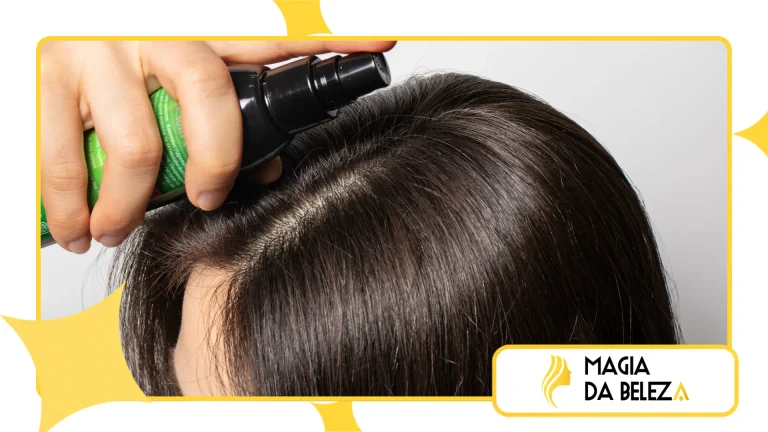

THE hair pre-shampoo It has become an indispensable step in the routine of those seeking to protect dry hair from the drying out caused by traditional surfactants during daily washing.
Advertisements
This complete and practical guide about hair pre-shampooHere, you will learn how to transform the health of your hair using simple techniques, choosing the ideal products, and using proven data.
Summary
- What is the treatment and how does it work on the hair fiber?
- Practical benefits for dry and porous hair
- Comparative table of assets and indications.
- Step-by-step instructions for applying this without making mistakes.
- Key products and market choices
- Frequently Asked Questions (FAQ)
What is hair pre-shampoo and how does it work?
This is a preventative treatment applied to dry or slightly damp hair before conventional washing. Its main function is to create a protective barrier over the hair fiber.
This protection prevents the sulfates present in shampoos from stripping the hair shaft of its natural moisture. As a result, the hair cuticle remains sealed and protected against mechanical and chemical damage.
Research in cosmetics published in Journal of Cosmetic Science
Studies show that pre-applied vegetable oils and lipids reduce the loss of structural proteins by up to 40% during washing.
Why invest in treatment if you have dry hair?
Dry hair has naturally open cuticles and a lower lipid content. When it comes into direct contact with water and detergents, it undergoes severe water swelling that weakens its internal structure.
By adopting the use of hair pre-shampooBy using this product, you preserve the natural oils of the scalp and ends. The immediate result includes less frizz, more manageability, and a visible reduction in breakage.
Furthermore, this practice improves moisture retention throughout the day. Hair that is protected before cleansing responds much better to treatment masks applied afterward in your hair care routine.
Types of pre-shampoo: which one to choose for your needs?
Choosing the ideal product depends directly on the level of dryness and porosity of your hair. Not all formulas work the same way on all curl types.
Pure vegetable oils (Prior moisturizing)
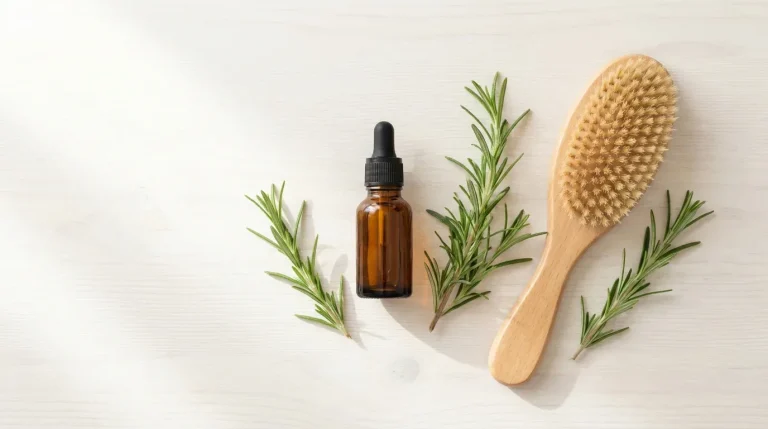
Ideal for extremely dry or curly hair. Oils such as coconut, argan, and avocado penetrate the hair cortex, providing deep nourishment and protection against the mechanical friction of rinsing.
++ How to Adapt Your Hair Care Routine to Seasonal Changes
Multifunctional creams and masks
Perfect for fine or slightly dry hair. They have lighter textures, rich in amino acids and panthenol, protecting the ends without weighing down or leaving the hair looking oily.
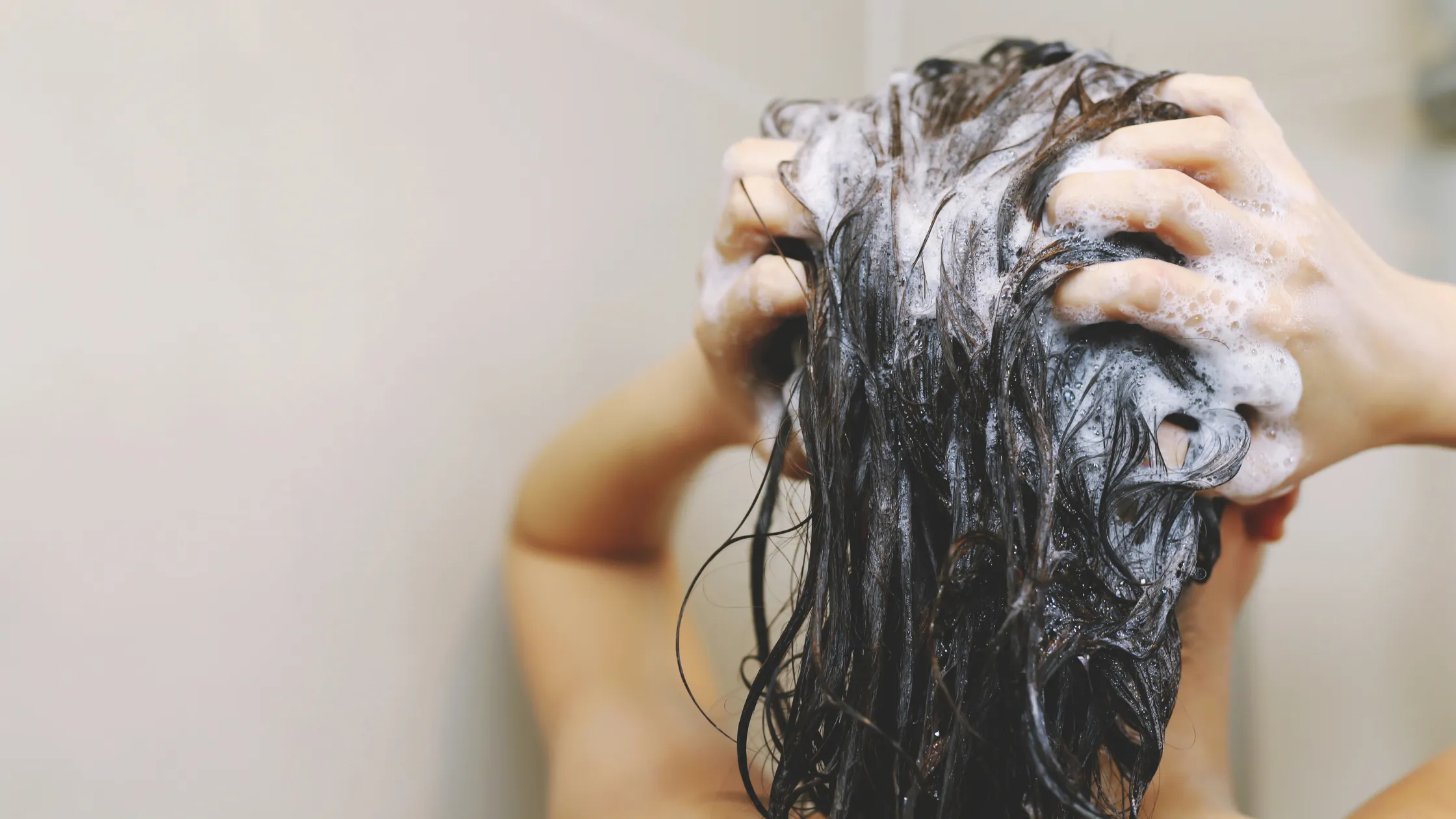
Comparative table: recommended active ingredients for dry hair
| Main Asset | Recommended Wire Type | Main Benefit | Frequency of Use |
| Coconut oil | Porous and very dry | Prevention of protein loss | 1 to 2 times a week |
| Shea Butter | Curly or dense | Intense nutrition and softness | 2 times a week |
| Panthenol (Vit. B5) | Thin and dry | Hydration and lightness | Approved in all washes |
| Hydrolyzed Proteins | Damaged by chemicals | Reconstruction and strength | Once every 15 days |
Step-by-step application for professional results.
Applying the technique correctly ensures maximum efficiency without wasting product or weighing down the scalp. Follow this simple routine before your next wash.
Read more: What is hair cycling and why is it becoming so popular?
- Detangle dry hair: Use a flexible brush to gently align the strands before applying any product to the extensions.
- Divide your hair into sections: Separate the hair into four equal sections to facilitate the even distribution of the chosen treatment.
- Apply the product: Spread a moderate amount from the mid-lengths to the ends, keeping four fingers' distance from the roots to avoid excessive oiliness.
- Strategic pause: Leave the product on for 15 to 30 minutes. This time allows for proper penetration of the protective active ingredients.
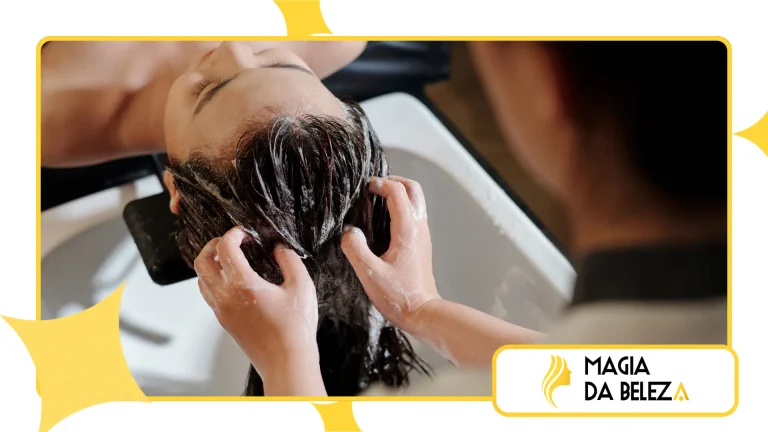
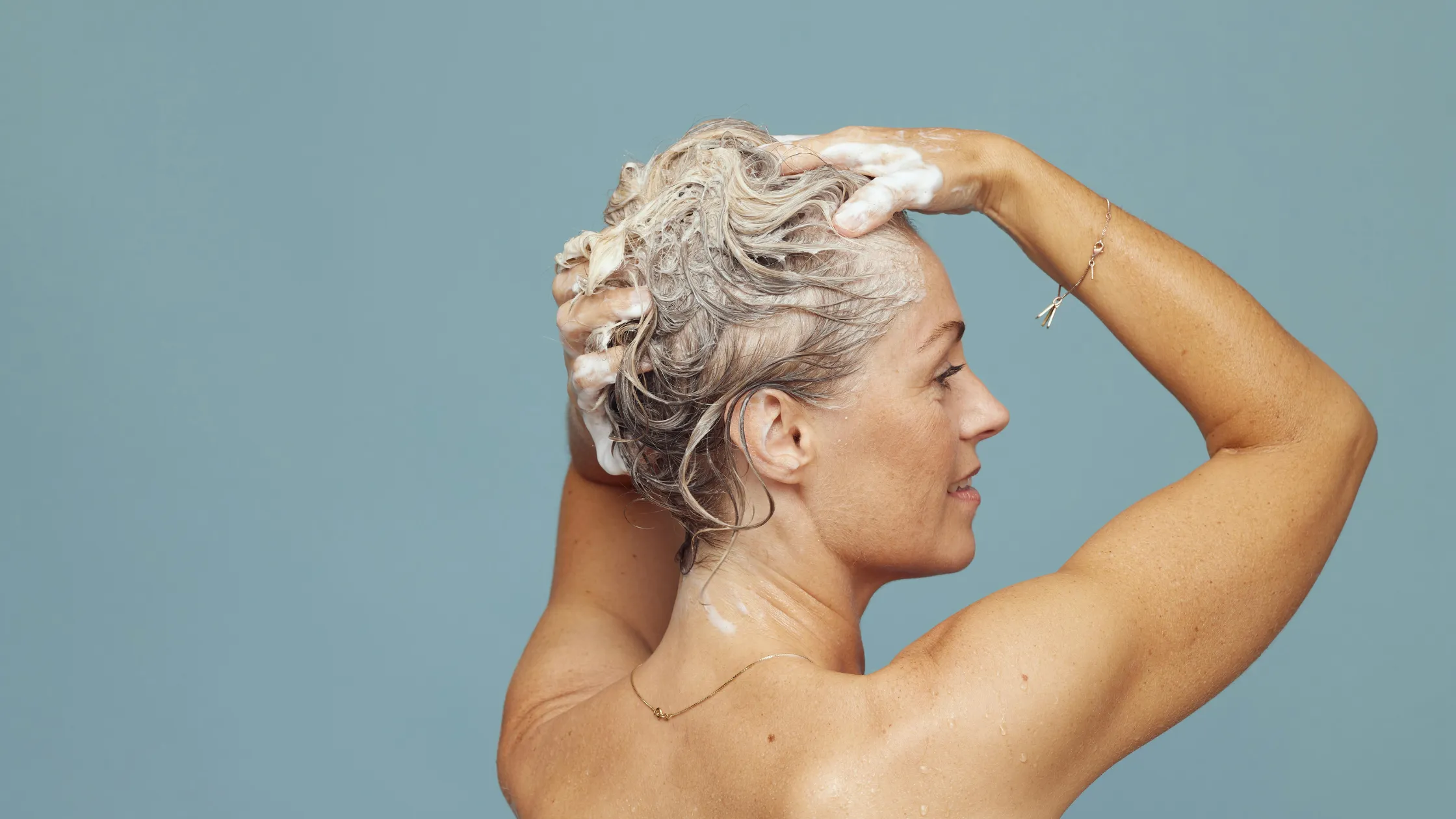
- Normal wash: Step into the shower, rinse lightly, and apply shampoo only to the roots, letting the lather run down the ends.
Best product options for daily use.
The cosmetics industry offers specific alternatives for all budgets. Below, we highlight high-performance categories and formulas to effectively protect your hair.
100% vegetable and cold-pressed oils
Pure moisturizing oils are champions of performance. Grape seed oil is great for fine hair, while castor oil repairs split ends and frizz.
++ Benefits of plant-based squalane for long-lasting hydration
Ready-made formulas and acidifying conditioners
Products specifically formulated as hair pre-shampoo They have a balanced pH. They seal the cuticles even before water enters, keeping nutrients sealed inside the fiber.
Common mistakes you should avoid when applying
The most common mistake involves applying the treatment directly to the hair roots. This can clog hair follicles and cause flaking or reactive oiliness over time.
Another common mistake is using too much product. Using more cream than necessary makes rinsing difficult and requires more shampoo, negating all the benefits.
Finally, don't skip the processing time. Leaving the product on for less than five minutes prevents the oils from creating the lipid layer necessary to protect the hair shafts.
Conclusion
Insert the hair pre-shampoo In your weekly routine, this technique visibly and lastingly transforms the health of dry hair. It protects the hair fiber, prevents split ends, and optimizes your treatments.
To learn more about health and body wellness, consult the guidelines from... Ministry of Health
about healthy practices and preventive dermatology.
Try applying this technique during your next wash and observe how your hair responds with much more shine, softness, alignment, and natural elasticity from the very first applications.
Frequently Asked Questions
Can I use regular conditioner as a pre-shampoo?
Yes. Traditional conditioners or multi-purpose creams work very well to protect the hair, as long as they are applied only to the lengths and ends, keeping the product away from the scalp.
Can someone with oily roots use this technique?
Yes, you can. Simply apply the product strictly to the dry ends. The protection prevents the shampoo foam from further drying out the hair without increasing scalp oiliness.
How often should I use a hair pre-shampoo?
The frequency depends on the condition of the hair. Very dry or damaged hair can receive the treatment with every wash, while healthy hair only needs application once a week.
Does this treatment replace a hydrating mask?
It is not a substitute. Pre-shampoo acts as a preventative protector against washing, while the mask replenishes water and essential nutrients after proper cleansing of the hair fiber.