

You Micro-habits for well-being They represent the most intelligent revolution in contemporary self-care.
Advertisements
This approach focuses on tiny, almost imperceptible changes. It's not about a radical diet or three hours at the gym.
The goal is to create consistency, not intensity. Small daily adjustments become, over time, the foundation of a much healthier life.
What are Micro-Habits for Wellness and Why Have They Become Essential in 2025?
Micro-habits are incredibly small actions, done in less than five minutes. Their greatest strength is their simplicity.
They require little or no willpower to accomplish.
Its low-effort nature eliminates procrastination and feelings of failure. This paves the way for lasting change in our routine.
Today's fast-paced, highly connected society demands practical solutions. We no longer have time for complex wellness plans that drain our energy.
Micro-habits offer the necessary lightness. They fit into the gaps in the day, transforming lost seconds into moments of self-care. Well-being becomes accessible to everyone.
Find out more: The athleisure trend as a healthy lifestyle
Fashion has always reflected the state of society. In 2025, the trend is "conscious comfort." Clothes that allow movement and promote relaxation are the new... status.
Stylish athleisure It has never been so strong and diverse. It supports the idea that the body is a temple, and clothing should facilitate its care.
How do Micro-Habits of Wellness Connect with Aesthetics and Clothing?
The connection is profound and based on neuroscience. The way we dress affects our mood and productivity. This is known as clothing cognition.
Choosing clothes that make us feel good is a powerful micro-habit. This simple action aligns the inner and outer worlds, promoting confidence.
Utilitarian fashion, for example, is not just a style, it's functional. Strategically placed pockets remind you to store your cell phone for a digital detox.
Read more: How Endocrine System Health Affects Overall Well-Being
Comfortable shoes encourage a short walk at lunchtime. Clothing can be a kitten Visual influences are important for health. The use of specific colors can also affect the mind.
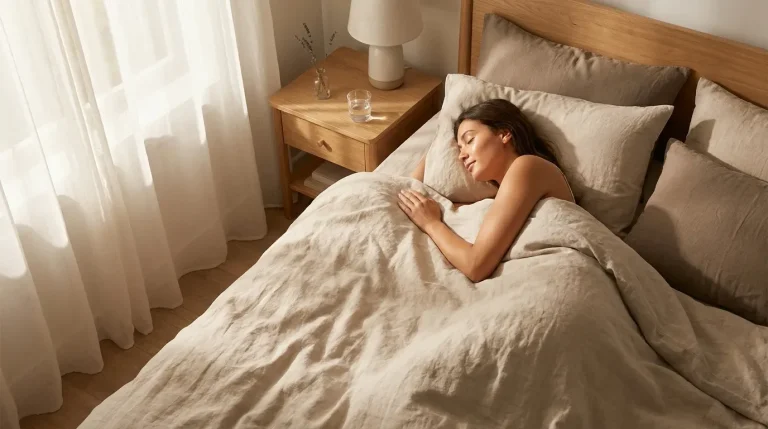
The micro-habit of making your bed is an excellent starting point. It takes two minutes, but offers an immediate sense of accomplishment.
This small morning victory energizes the brain. It's like the analogy of getting dressed: starting the day with a favorite piece of clothing. External visual organization calms internal chaos.

What are the most effective wellness micro-habits for personal transformation?
Effectiveness lies in personalization and repetition. Ideally, the micro-habit should be associated with an existing routine, a concept called "anchoring".
Drinking a glass of water (the micro-habit) after brushing your teeth (the existing habit) is a practical example. It ensures hydration automatically.
Other Micro-habits for well-being One powerful technique is the "one-minute rule." During work, stand up and stretch for sixty seconds.
++ Retro hairstyles that are back in style: 80s/90s hair.
This breaks the sedentary lifestyle and reactivates circulation. In the corporate environment, short breaks are being encouraged. Subtle movement is an antidote to burnout.
On the other hand, there's "expressed gratitude." Write a positive sentence in your notebook at the end of the day. This practice reorients the brain towards optimism.
Recent studies show a link between gratitude and stress reduction. Consistency in these subtle actions is what produces results.
Why does consistency in wellness micro-habits outperform intensity?
Sustainable lifestyle change is a marathon, not a race. sprintThe intensity demands a lot of initial energy, leading to giving up.
Consistency in micro-habits builds new neural pathways. Effort is minimized and the practice becomes automatic. This is how a habit becomes established.
According to a 2024 article published by Current Psychology, the Micro-habits for well-being It is associated with an increase in psychological well-being.
Small changes in routine, such as improving sleep quality and practicing gratitude, facilitate emotional regulation. They promote neuroplasticity in the brain.
Below are some micro-habits with high transformative potential, organized in a practical way:
| Category | Micro-Habit (Simple Action) | Trigger (Existing Habit) |
| Physical | Three light squats | Before sitting down for coffee |
| Mental | A deep, slow breath | Before opening the email |
| Emotional | Smiling at your reflection in the mirror | After brushing your teeth |
| Social | Send a message of appreciation. | When storing your cell phone at night |
This slow and steady process is like using a good moisturizer every day. The results aren't immediate, but they accumulate significantly.
Instead of major surgery, it's daily care that rejuvenates. That's the power of... Micro-habits for well-being.
How to integrate micro-habits for well-being and lifestyle into your daily life?
Start with what's non-negotiable in your routine. It's easier to add an action to a fixed moment. The secret is having a solid anchor point.
For example, putting on colorful (fashionable) sneakers when you wake up. This can serve as a visual reminder to walk for five minutes. This dual action is already a step forward.
Studies show that 841% of Brazilians seek a self-care routine, but only one third manage to maintain it (Bayer Research, 2022).
This data reveals that the difficulty lies not in the intention, but in the execution. Ambitious plans fail.
However, the Micro-habits for well-being They offer the ideal solution. Ease of use overcomes resistance.
Have you ever stopped to think about what your life would be like if you lived just 1% better each day? The compound effect would be monumental.
This small daily improvement is the promise of micro-habits. They are the 1% that accumulates. Over time, they become your new identity.
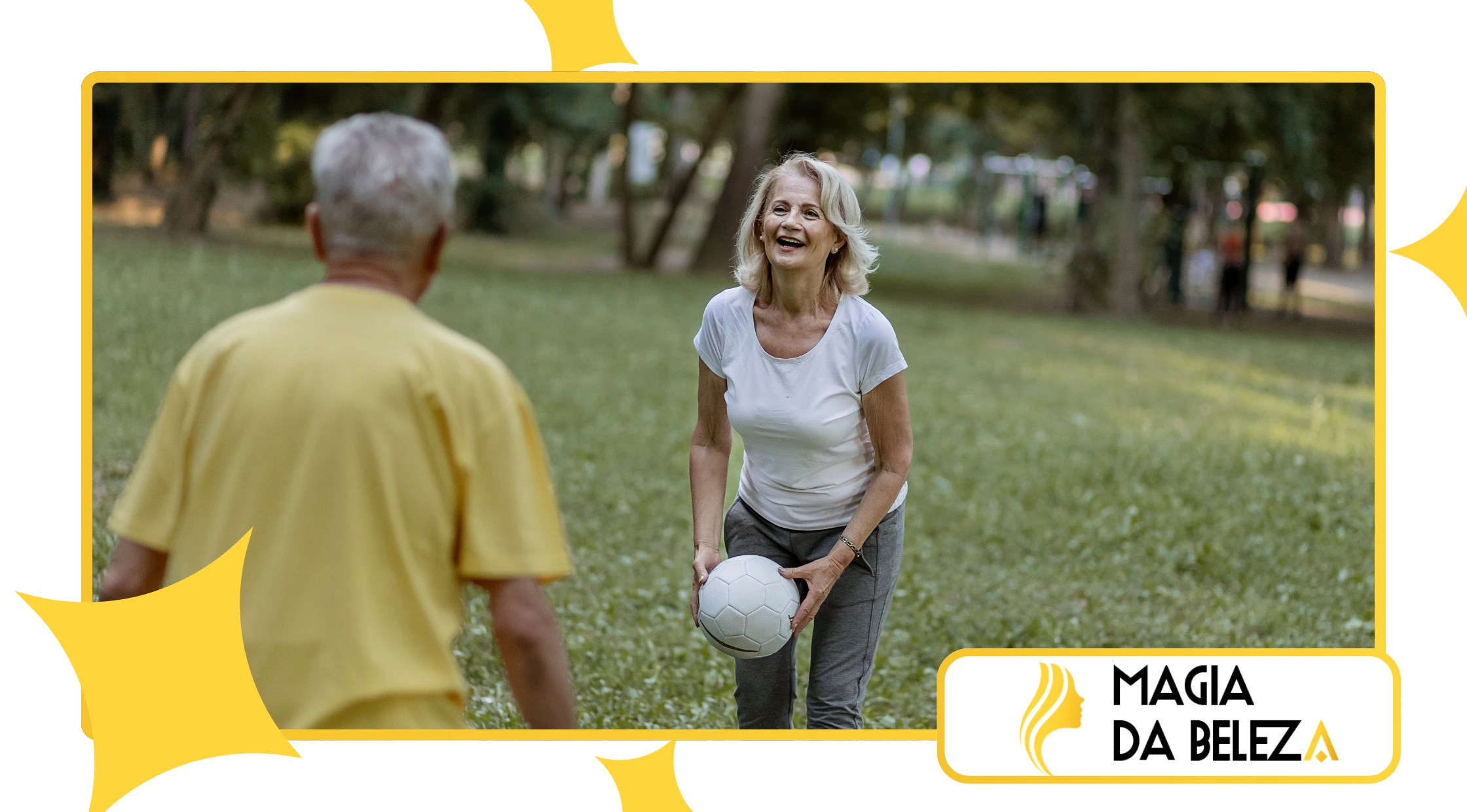
The Lifestyle That Suits You is One That Takes Care of Yourself
True sophistication in 2025 lies in intentional self-care. Fashion is a reflection of a lifestyle that values health.
You Micro-habits for well-being These are not just trends, they are tools for resilience. They prove that the greatness of change lies in the consistency of small actions.
By incorporating these actions into your daily life, you not only improve your health, you elevate your lifestyle to a new level of elegance and functionality.
It's an invitation to be kind to yourself. Subtle well-being is the luxury that truly matters today.
Frequently Asked Questions
What should I do if I fail at my micro-habit one day?
Don't worry, failure is part of the habit-forming process. The golden rule is: never fail twice in a row.
Resume practice the next day as if nothing had happened. Long-term consistency is more important than daily perfection.
Should I incorporate many micro-habits at once?
No. Start with just one or two micro-habits at a time. Master these actions until they become automatic.
Being overwhelmed with new tasks is what leads to giving up. Prioritize quality and repetition over quantity.
How long does it take for a micro-habit to become ingrained?
Studies suggest that it can take anywhere from 21 to 66 days for a behavior to become automatic, depending on its complexity.
The most important thing is daily repetition. The simplicity of micro-habits generally accelerates this formation process.
Can micro-habits replace intense exercise or diets?
Micro-habits are not a substitute for the need for comprehensive exercise or a balanced diet.
They are both a complement and a gateway. They create the momentum and mental discipline needed to eventually incorporate larger changes in a sustainable way.
How can fashion really help with micro-habits?
Fashion can act as a visual reminder or a "trigger".
For example, putting on your smartwatch first thing in the morning (a fashion/tech accessory) can trigger the micro-habit of getting up and walking every hour.
Use your clothes and accessories as anchors for self-care.
What is the difference between a micro-habit and a routine?
A routine is a sequence of larger, more structured actions. A micro-habit is a specific, minimal, and low-effort action.
It can be incorporated into any part of your routine to increase the likelihood of successful completion.