

Traveling for long hours can be a delight for the soul, but a real challenge for the skin. Changes in climate, constant air conditioning, humidity levels and even water quality have a direct impact on the skin's balance.
Advertisements
What often starts out as a relaxing trip can result in facial discomfort, tightness, breakouts, or dry patches — especially when your skincare routine is neglected.
Therefore, learning how to take care of your skin during long trips is essential for those who want to maintain the glow and health of their skin even when away from home.
The secret is not to carry a thousand products, but to make smart choices and maintain small, consistent habits. If you want to reach your destination with balanced and comfortable skin, keep reading.
The Travel Environment Dehydrates You, Even If You Don’t Realize It
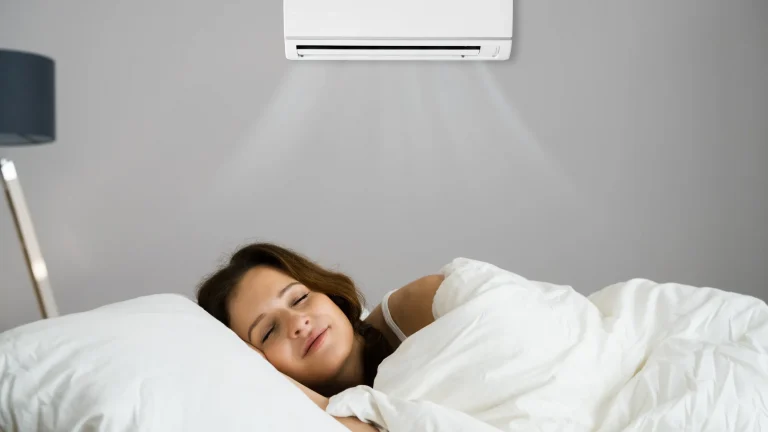
During long flights, the cabin air is extremely dry, and on car or bus trips, the air conditioning running for hours also saps moisture from your skin. Even if you drink plenty of water, your skin can suffer.
The first rule for anyone wanting to take care of their skin during long trips is to reinforce topical hydration with light but effective products.
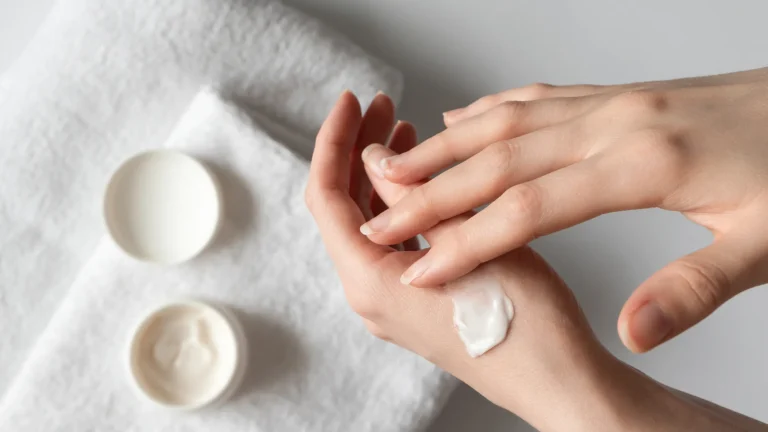
Before leaving home, apply a moisturizer with active ingredients such as hyaluronic acid or panthenol. They attract and retain water in the skin. If possible, carry a facial mist or a moisturizing stick in your carry-on bag — they are practical, discreet and help maintain comfort throughout the day.
Gentle Cleaning is Everything While Traveling
When taking care of your skin during long trips, it can be tempting to forget to cleanse, especially when you’re tired. But letting impurities build up on your skin will only make any symptoms worse. Bring a bar, gel or foaming facial cleanser that’s suitable for your skin type and has a calming effect.
While traveling, if you can't wash your face normally, use micellar water without rinsing. It cleanses without damaging the skin, removes residue and maintains a balanced pH. Avoid alcohol wipes, which dry out and irritate the skin.
Sunscreen Doesn’t Take a Vacation — Even on Red-Eye Flights
Many people forget to wear sunscreen on planes or when they leave early to hit the road. However, UVA rays can pass through the windows of cars, buses and even planes. And since altitude intensifies the radiation, protection is essential.
Ideally, you should apply a sunscreen with SPF 30 or higher before you go out. Choose a light-textured, dry-to-the-touch sunscreen that is tinted, if possible, as it also acts as a physical barrier against pollution and visible light. If you’re traveling long distances, take a powder or stick version with you so you can reapply it throughout the trip without any hassle.
Read also: Nighttime skin care: wake up feeling refreshed!
Don't Underestimate the Effect of Stress on Your Skin
Even planned trips can bring unexpected events: delays, sleepless nights, different diets. All of this affects the skin.
One of the biggest secrets to taking care of your skin during long trips is to take care of yourself emotionally. Take deep breaths, respect your own rhythm, and get as much sleep as possible.
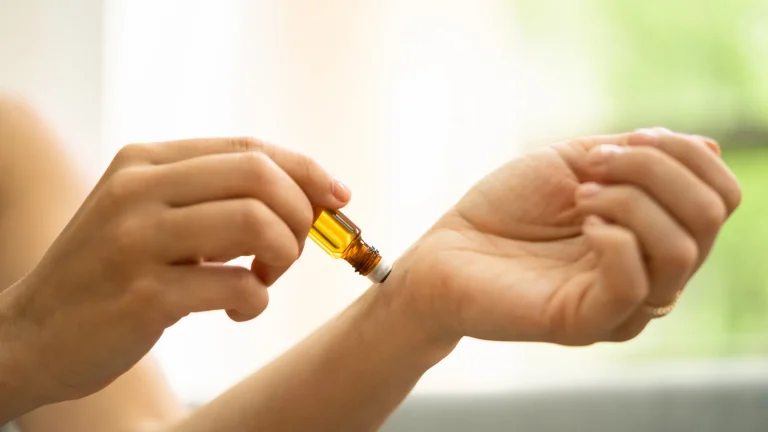
Carrying an essential oil like lavender or chamomile can help you relax. When stress is reduced, your entire body responds better—including your skin.
Avoid the Mistake of Testing New Products While Traveling
That new miniature cream with powerful active ingredients may seem like a good idea, but it’s best not to take any chances. Traveling is not the ideal time to test new products. The risk of allergic reactions or sensitivity increases when your skin is already exposed to different external factors.
Bring items that you already know and that work well for your skin. If you want something more compact, transfer small amounts to smaller jars, but always sanitize them properly.
Small Facial Breaks Count As Care Too
It’s not always possible to follow a complete routine when traveling. But taking five minutes to wash your face, reapply moisturizer, or massage it in with your fingertips can make a difference. Creating moments to reconnect with your body during the rush of a trip helps your skin maintain its barrier function and even maintain a healthy appearance.
When you stop in a clean bathroom, for example, take the opportunity to spray on thermal water, reapply lip balm or soothe the eye area with a light cream. These small gestures add up to benefits when practiced regularly.
Nutrition and Hydration Are Also Reflected on the Face
What you eat and drink while traveling quickly shows up on your skin. Foods that are high in salt, sugar, or processed foods can cause swelling, oiliness, or dryness. So, whenever possible, opt for light meals with vegetables, fruits, and lean proteins.
Taking healthy snacks like nuts, dried fruit and natural bars will help you maintain your balance even without access to a good meal. And of course: drink water. Always carry a bottle with you and keep up the habit of staying hydrated.
Conclusion: Skin Care, Travel Even Better
Taking care of your skin during long trips isn’t about vanity — it’s about well-being. When your skin is comfortable, you enjoy it more, feel better, and deal with fatigue more easily.
With attention, few products and short breaks, it is possible to maintain balance even outside of your routine. The secret is consistency: maintain simple habits even on the most intense journeys. Your skin will thank you.
Frequently Asked Questions About Travel Skin Care
Is it safe to use water from an airplane or public restroom to wash your face?
If the water is drinkable and you are in a clean place, yes. If in doubt, opt for micellar water and cotton.
Can I take all the products in my hand luggage?
Yes, as long as you follow the 100 ml limit per bottle. Use smaller, clear bottles to make it easier.
Should I exfoliate before traveling?
It can be useful for removing dead cells and improving the absorption of moisturizers, but avoid doing it on the day of your trip to avoid sensitizing your skin.
Is it worth wearing a face mask during the flight?
If you feel comfortable, yes. Sheet or gel masks help to rehydrate and relax.
What is the best type of moisturizer for traveling?
Those with a light texture, which absorb quickly and maintain prolonged hydration, such as gels with hyaluronic acid or lotions with ceramides.